

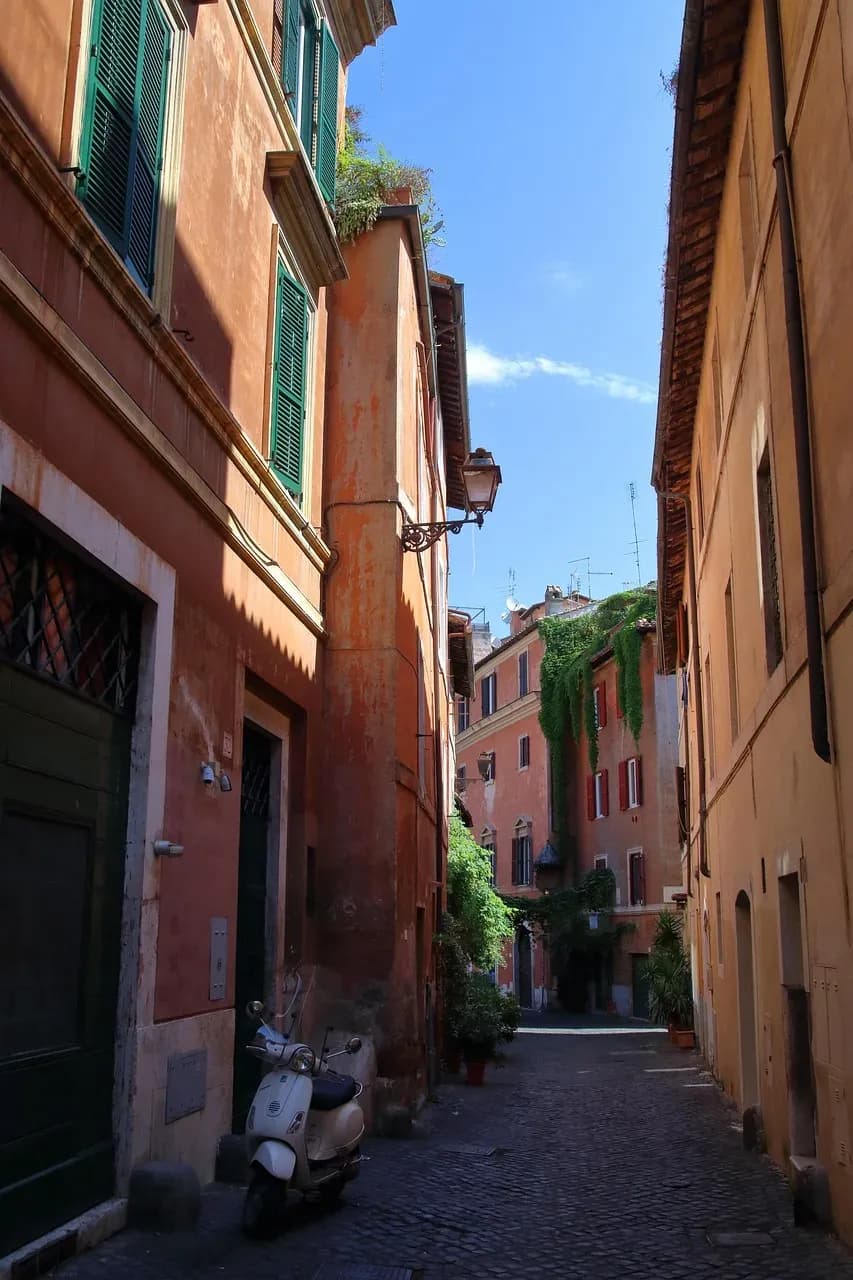
The stretch of the Lazio coast connecting Gaeta to Terracina calls for a pragmatic approach. A car is essential to explore this area: distances between bays and archaeological sites involve drives of about 15-20 minutes from one to the next along the Flacca coastal road (SS213). Without your own vehicle, travel times stretch out and connections become considerably complicated.
The ideal months for this itinerary are late spring or early autumn. Between May and June, or across September and October, temperatures let you relax on the beach or wander through the historic centres while dodging the summer crowds. During July and August, heavy traffic on the coastal road and a lack of parking make every journey a chore.
Logistically, you need to factor in parking: in Sperlonga and on the Gaeta promontory, paid parking comes with steep tariffs and is monitored closely by local wardens. On top of this, the ancient villages are built on steep terrain, navigated entirely on foot via sharp stone steps and cobbles that easily turn slippery. Flat, comfortable walking shoes are not merely a recommendation, but a genuine practical necessity for these two days.
How to plan your days on the coast
Day 1 — From Monte Orlando to sunset over the Pontine islands
Morning
Start the first part of the morning in Gaeta with a hearty breakfast. It pays to stop at Pasticceria Stenta on Corso Italia to try the Palleciotta, a choux pastry filled with gianduia and toasted hazelnuts, topped with a zabaione glaze. Alternatively, Pasticceria Carmine between Lungomare Giovanni Caboto and Via Rimini serves up flaky pastries and local specialities from the early hours. Once properly fuelled with sugar, head up towards Monte Orlando. The first stop is the Santuario della Montagna Spaccata, an 11th-century sanctuary built right between deep rock fissures that drop sheer down to the water. A full visit takes about 45 minutes. Directly afterwards, in the very same area, descend towards the Grotta del Turco, a vast natural cleft on the sea reached via a long staircase. Time this descent carefully: access to the cave is usually allowed from 9:00 to 12:00, reopening from 14:30 to 17:30, and it closes strictly over the lunch break.
Afternoon
For lunch, head over to Via Indipendenza in Gaeta. Here you will find Antico Forno Giordano, an artisan bakery operating since 1890 that bakes traditional tiella di Gaeta. Classic fillings include octopus or escarole with local black olives; order at the counter and eat as you stroll. Right after, set off to explore the Centro Storico Medievale di Gaeta. The Gaeta Medievale quarter is a dense network of steep alleys, historic churches facing the harbour quays, and a grand Aragonese castle towering over the town. Once you have finished your walk through the old walled quarter, pick up the car and drive north along the coastal road towards Terracina, allowing plenty of time to arrive before sunset.
Evening
Arriving at Monte Sant'Angelo in Terracina coincides with the afternoon opening of the Tempio di Giove Anxur. This Roman sanctuary, dating back to the Republican era, rests on imposing stone arches looking out over the gulf. A visit usually lasts between 45 and 60 minutes. Touring the ruins in the late afternoon avoids the hottest temperatures and offers a clear view of the Pontine islands lit by the setting sun. Heading back to Gaeta for the evening, a stroll along Spiaggia di Serapo rounds off the day: a stretch of fine golden sand framed by two rocky headlands. For dinner on Via Bausan, Pizzeria del Porto, run by Carlo Avallone, doubles as a dedicated workshop for sampling further interpretations and traditional recipes of tiella.
Day 2 — Waterfront ruins and whitewashed alleys
Morning
The second day begins with a drive along Via Flacca to the Sperlonga coastline. Dedicate the first half of the morning to the archaeological site of the Villa e Grotta di Tiberio con Museo Archeologico Nazionale. The complex sits at sea level and includes the expansive natural cave used directly by the Roman emperor, alongside a display of colossal sculpture groups depicting episodes from the Odyssey. You will need about an hour and a half to take in the excavations and the museum. A short distance away, along the coast between Gaeta and Sperlonga, lies the Spiaggia dei 300 Gradini (Arenauta). The name describes the access perfectly: to reach this strip of sand enclosed by vertical cliffs, you must walk down a steep flight of three hundred steps. The setting is wild and untouched by invasive developments.
Afternoon
In the afternoon, the itinerary moves to the Borgo Alto to explore the Centro Storico di Sperlonga. The whitewashed house fronts reflect the brilliant sunlight, perched directly over the Tyrrhenian Sea. The village layout is a continuous series of level changes, with stepped ramps, small stone arches and balconies overhanging the water. Walking out towards the tip of the rocky promontory brings you to Torre Truglia, a sturdy 16th-century coastal watchtower built to spot enemy vessels. Today, the terrace of the tower acts as a vantage point separating the Ponente and Levante beaches, offering the finest perspective for photographing the entire coastline.
Evening
Dinner rounds off the weekend without leaving the village of Sperlonga. On Via Ottaviano you will find Ristorante Gli Archi, set beneath the stone vaults of the old centre. The cooking relies entirely on local catches and classic Mediterranean preparations, keeping the maritime identity of the surrounding quarter very much alive.
Top tips for a smoother trip
- A car is strictly necessary to cover the 15-20 minutes of driving between towns, beaches and archaeological sites along the Flacca coastal road.
- Time your entry to the Tempio di Giove Anxur for the late afternoon: you will avoid the harsh midday sun and enjoy the best views over the gulf.
- Check the exact opening times before heading up Monte Orlando: the stairway to the Grotta del Turco closes regularly from 12:00 to 14:30.
- Town-centre car parks are expensive and fines are frequent; furthermore, steep slopes and cobbled alleys mean completely flat shoes are essential.
Where to spend the night
A four-star hotel with a spa, located a short walk from both the whitewashed village and the town beaches.
View on Booking →A resort with open sea views, offering direct access to a small private cove on the rocky shore.
View on Booking →A four-star property featuring a wellness centre, situated just moments on foot from the sands of Serapo.
View on Booking →