
Larino, what is there to see? It depends on the altitude. Lower down, in Piano San Leonardo, lies the Roman town: the amphitheatre, a neoclassical villa with thermal baths and mosaic remains in the grounds, and a polychrome floor from the ancient bathhouse. Further up, around 400 metres above sea level, sits the medieval village, with its cathedral, a palace that began as a Norman fortress, and paved alleys with serious inclines.
The town is in the province of Campobasso, halfway between the provincial capital and the Adriatic coast. It is 25 kilometres from Termoli, about 25 minutes by car, and driving remains the most practical way to reach neighbouring towns like Guglionesi and Casacalenda, too.
Two days are plenty to take things at an easy pace, dedicating one to each of the two towns: the first morning for the Roman excavations, the second morning for the historic centre, followed by short afternoons and, on the first evening, dinner in a wine bar. For dining, three addresses are all you need: an osteria in the centre, a wine bar in the piazza, and a country farmhouse on the hillside.
Two days among ruins and alleys
Day 1 — The Roman town of Piano San Leonardo
Morning
The most sensible way to tackle Larino is from the bottom. Piano San Leonardo sits slightly lower than the medieval core and gathers together the town's archaeological and modern areas: it is flat walking, making it ideal for the morning while your legs are fresh. Save the hilly village for later, so your day mirrors the lay of the land: flat ground first, then the climb, then lunch.
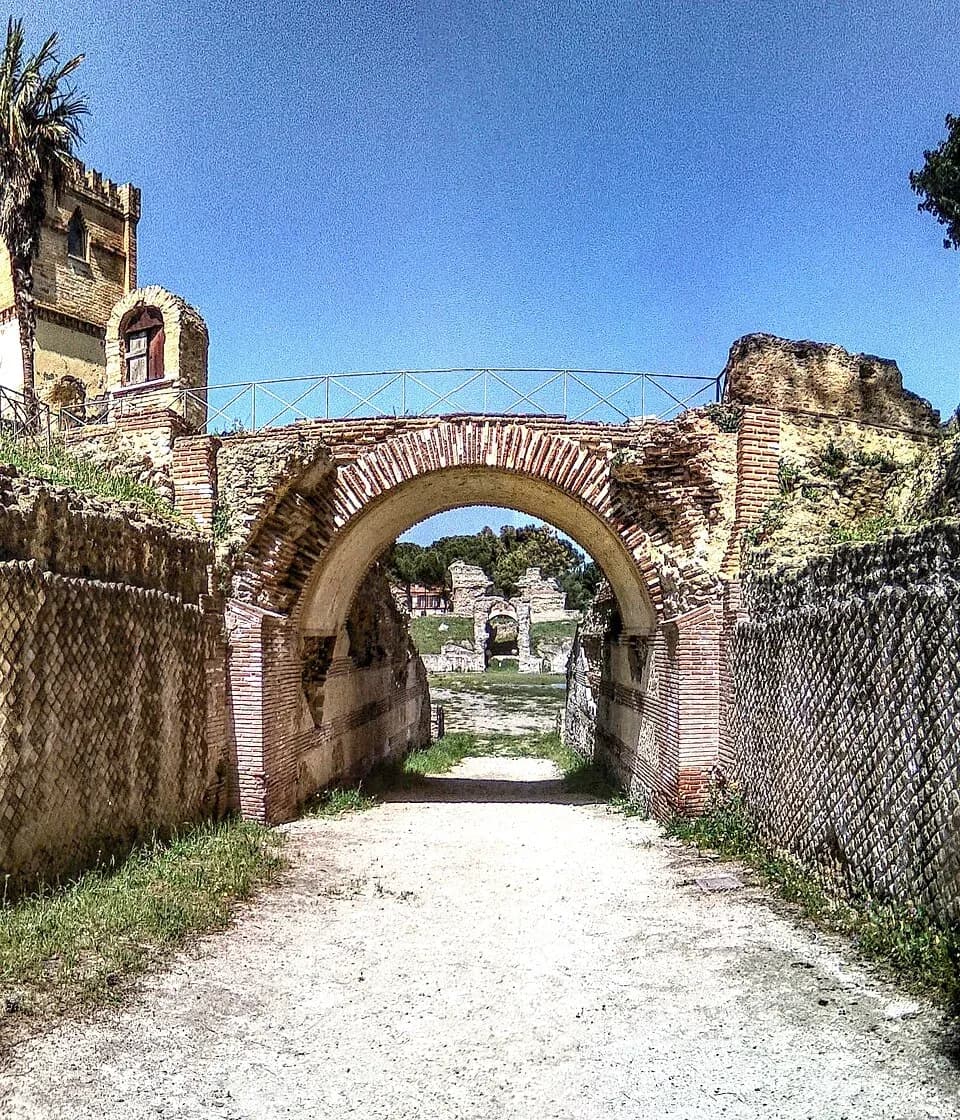
Start at the Anfiteatro Romano di Larino. The arena is elliptical, dating from the Flavian period (1st–2nd century AD), and could hold up to 10,000 spectators: just think that all those seats belonged to a Roman city that is now a hillside village. It is the highlight of the area and the visit takes around 45–60 minutes, leaving you with plenty of time and energy for the rest.
In the same area stands Villa Zappone. From the outside, it is an elegant neoclassical villa set in parkland shaded by magnificent trees, which alone would justify a quiet rest in the shade. The real reason to stop, however, is that the grounds encompass archaeological remains, Roman baths, and fragments of floor mosaics: a private estate that has absorbed a slice of Roman antiquity.
Round off the archaeological tour with the Mosaico delle Terme Romane, a polychrome mosaic floor featuring geometric and figurative patterns, uncovered within the ancient bath complex. After the arena, where everything is monumental, this offers a glimpse of everyday life: the floor of a place where locals came to wash, decorated with great care. Alongside Villa Zappone, it makes for the most intimate part of the morning.
For lunch, head up towards the historic centre and stop at Osteria del Borgo, in Via Cluenzio. It is a traditional trattoria, celebrated for its handmade cavatelli and gnocchetti with caciocavallo: classic, hearty Molise cooking, ideal for catching your breath before tackling the uphill walk.
Afternoon
The afternoon calls for a short stroll through the village, not least because the alleys climb steeply. Seek out Torre Galuppi, a 9th-century medieval tower-house easily spotted by the pointed arch at street level. Then, if your legs are up to it, step into Chiesa di San Francesco; originally dating from the 14th century and later remodelled during the Baroque era, it houses sacred artwork and frescoes.
Evening
For dinner, head to GustoLoft in Piazza del Popolo: it is a refined wine bar and restaurant, offering platters of local artisan produce and more than 150 wine labels. It is the perfect spot to wind down your first day, even if just for a sharing board and a glass of wine.
Day 2 — The village: cathedral, palace and alleys
Morning
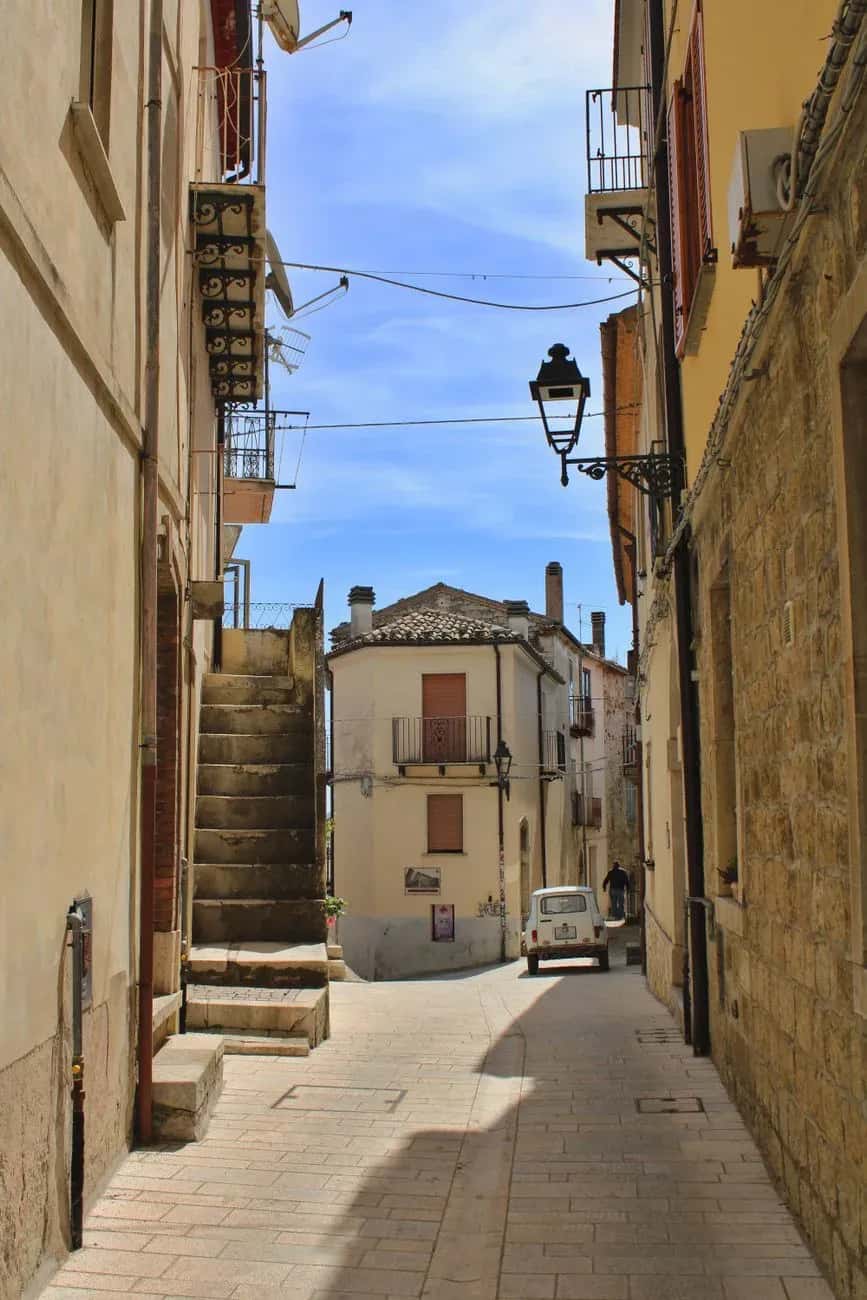
The second day is spent entirely up top, in the medieval core, around 400 metres above sea level. Change your pace: the alleys are paved and sloping, and the centre is best explored on foot, wandering from one sight to the next without an overly rigid plan.
Begin at Cattedrale di San Pardo, a Romanesque-Gothic co-cathedral renowned for its carved portal and 13-spoked rose window. These are two features best appreciated unhurriedly: set aside 30–45 minutes, and pause at the portal to look up at the rose window before heading inside. Its bell tower, incidentally, is the very one you will see rising above the hill from the road to Casacalenda, should you leave in that direction.
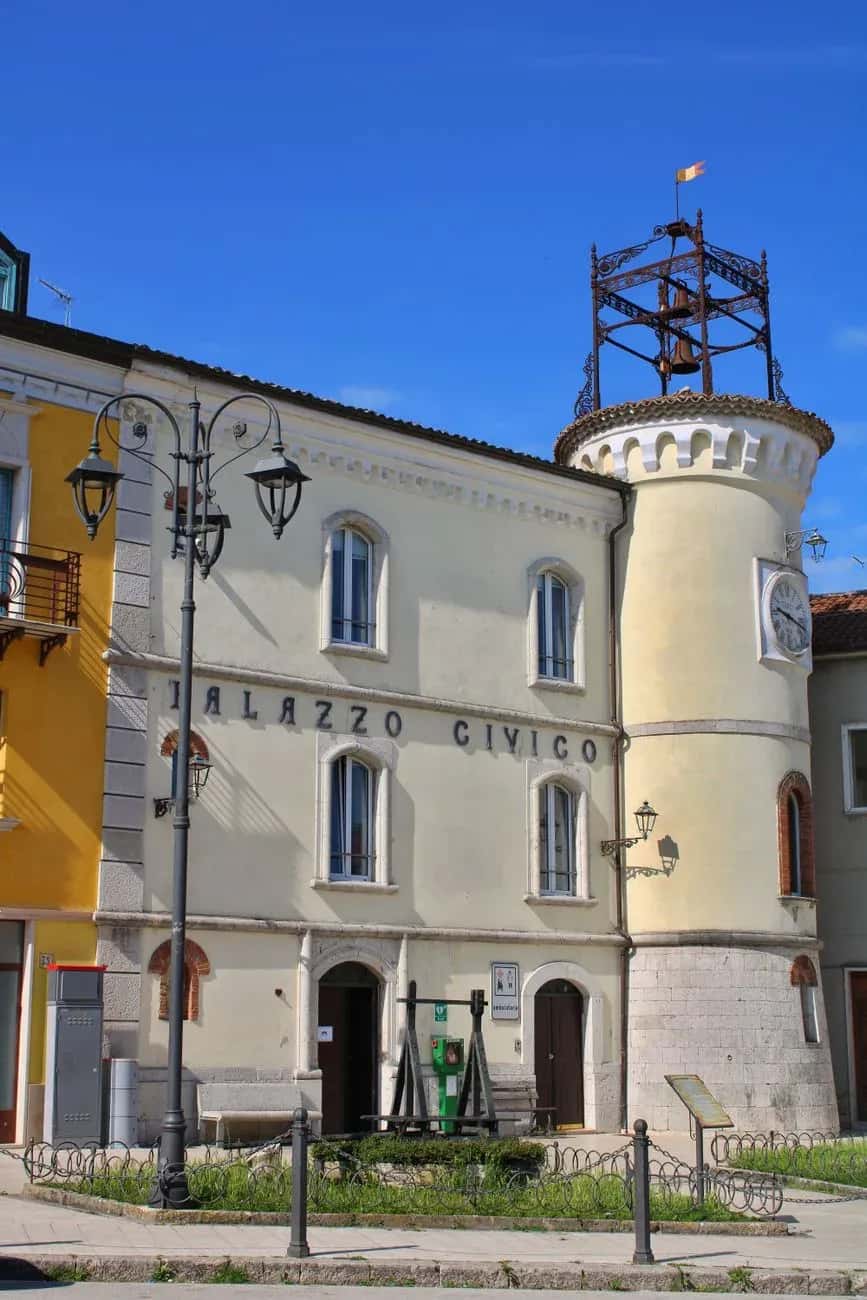
In Piazza Duomo stands Palazzo Ducale. Originally a Norman fortress, it was transformed into a lavish noble palace in the 17th century; today it houses the town hall alongside the Museo Civico, so council offices and museum exhibits share the same roof. Nearby stands the stone Fontana Nuova, which is new in name only: it dates from 1879.
For an indoor visit, try the Museo Diocesano within the Palazzo Vescovile, which displays 14th-century paintings, sculptures, and vestments linked to local religious history. Afterwards, let the alleys guide you to Chiesa di Santo Stefano Protomartire, nestled in the ancient heart of town among medieval streets and patrician palazzi.
For lunch, make your way to Contrada Giammarco: Ristorante Pizzeria Belvedere is a rustic 18th-century farmhouse surrounded by green hills, well known for its homemade pasta dishes and pizzas baked in a stone wood-fired oven. It offers a welcome change of pace after a morning of churches and palaces, and a lovely way to say goodbye to Larino with authentic country cooking.
Afternoon
If you drive on towards Casacalenda, the road linking the two towns—whether the state highway or the provincial route—delivers one of the finest panoramas of the historic centre: the village nestled on the hillside, crowned by the cathedral bell tower. Pull over for a photo before the light fades.
Tips before you go
- Pack comfortable walking shoes: the historic centre consists of paved, sloping alleys and cobblestones, especially between Piazza Duomo and the inner lanes.
- Opening days and times for the Archaeological Park and amphitheatre vary by season and events. Check ahead of your visit or ring the management authority to avoid finding the gates closed.
- The most atmospheric time to visit? Late May, for the centuries-old Festa di San Pardo with its ox-drawn flower carts, or winter, when the village is illuminated by spectacular Luminarie light displays.
Where to stay
A hotel on Via San Benedetto, around 700 metres from the historic centre.
View on Booking →A bed and breakfast surrounded by nature, in Larino.
View on Booking →A rural retreat set deep in the Larino countryside.
View on Booking →