

When we talk about the Molise coast, the most common image is one of lined-up parasols and beach holidays. Yet, the true identity of this area reveals itself just a few kilometres inland, where communities preserve traditions of Albanian origin and a rural heritage of crypts, sanctuaries, and frescoed alleys.
Planning a long weekend in Campomarino requires an important geographical distinction: the modern coastal strip and the ancient hilltop village are about three kilometres apart. This dual nature allows you to alternate relaxing on the beach with historic walks and nature hikes, all within a very small radius.
To find mild weather and combine beach days with cultural exploration without suffering the crowds and high temperatures of August, the best times are late spring, starting from May, or September. A car is essential for covering the distances to the inland hills, where the train network doesn't reach.
Four days in coastal and hilly Molise
Day 1 — Between coastal pine forests and the marina
Morning
Your day begins right by the sea at the Spiaggia e Pineta di Campomarino Lido. This stretch of Adriatic coast has shallow waters and a long strip of sand, awarded a Blue Flag. The morning hours are best for walking along the shoreline or resting in the shade of the pine trees, taking advantage of the fresh air. If you're travelling by campervan or looking for accommodation near the water, you can base yourself in adjacent facilities like Camping Village Corrado.
Afternoon
After lunch, head slightly inland along the Strada Statale 16 to reach the Oasi Naturale Bosco Le Fantine. This is a free-entry Site of Community Importance, where dirt tracks wind through coastal dunes and Mediterranean scrub. The elevation gain is almost non-existent, making the trails perfect for a light hike and observing local flora during the middle of the day or late afternoon.
Evening
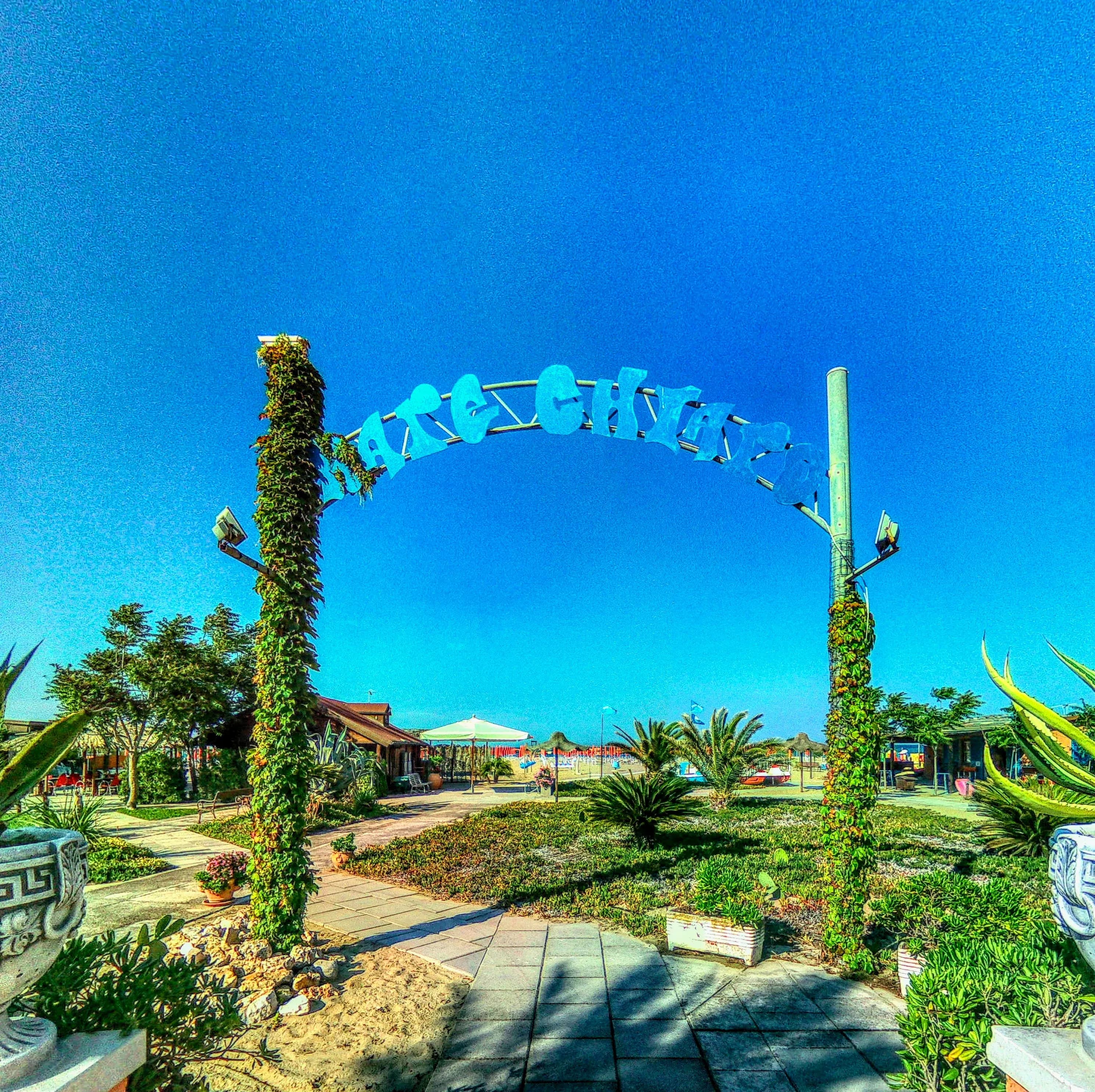
Heading back towards the coastal town, the Porto Turistico Marina di Santa Cristina offers a long walk along the piers, especially beautiful at sunset. For dinner, stay in the Campomarino Lido area at Ristorante Mare Chiaro, a beachfront restaurant famous for its fritture di paranza and seafood pasta dishes, with gluten-free options available.
Day 2 — The hilltop village and its painted history
Morning
Your second day focuses on Campomarino paese, the hilltop historic centre. The area is almost entirely pedestrianised; if you're driving, you should use the car parks near Piazza Vittorio Veneto. A short walk away is the Chiesa di Santa Maria a Mare e Cripta Medievale. The visit takes 30 to 45 minutes and lets you admire medieval capitals and a 15th-century fresco depicting San Nicola and San Demetrio.
Afternoon
Leaving the church, dedicate your afternoon entirely to the Borgo Antico e Murales Arbëreshë. It's an outdoor trail that takes about an hour and a half of wandering through the alleys. The walls of the houses are painted with scenes illustrating local historical trades and the centuries-old traditions of the Italian-Albanian community. If you're staying overnight in the village, you can make use of central accommodation like the Residenza Glave guesthouse on Via XXIV Maggio.
Evening
For dinner, staying in the historic centre, Osteria Nonna Titella offers homemade pasta dishes and traditional Molise recipes. Given the limited number of tables and family management, booking for the evening is recommended. An alternative, a few metres from the painted village, is Ristorante Le Morgette, which focuses on pizzas and local cuisine.
Day 3 — Rural sanctuaries and the fortress by the sea
Morning
Head to the hamlet of Nuova Cliternia to visit the Santuario della Madonna Grande. The structure, dating back to the 17th century, features an unusual octagonal floor plan and still represents the spiritual heart of the Italian-Albanian communities in Molise; a half-hour stop is enough to admire its interiors. For lunch, stay in this agricultural hamlet and stop at Ristorante Borgo di Colloredo, located in Contrada Zezza within a wine estate, to pair local dishes with a tasting of Tintilia wine.
Afternoon
A 10-minute drive from Campomarino brings you to Termoli. The Borgo Antico di Termoli is a fortified seaside settlement perched above the Adriatic. You'll need the whole afternoon to explore the squares and the network of extremely narrow alleys, among which 'A Rejecelle' stands out, considered the narrowest alley in Italy.
Evening
Before dark, move towards the perimeter of the walls to photograph the Castello Svevo e Trabucco di Termoli: the 13th-century fortress and the ancient wooden fishing machine built on the cliff offer the best colour contrast at sunset. End the evening back in the Campomarino area, in Contrada Marinelle Nuove, where La Locanda di Titti serves seafood starters in a casual setting.
Day 4 — The Frentani inland between Larino and Guglionesi
Morning
Your last day heads inland, about a 25-30 minute drive, to explore Larino. The Parco Archeologico e Anfiteatro Romano di Larino exhibits Frentani era remains and a vast imperial elliptical amphitheatre; the area is surrounded by greenery and the visit takes up to a couple of hours. Next, move on to the Palazzo Ducale e Mosaici Romani di Larino (about an hour), a historic building that today houses the civic museum and safeguards large polychrome mosaics featuring a lion and a she-wolf.
Afternoon
Get back in the car towards the Centro Storico di Guglionesi, about 20 minutes from Campomarino. The town is located on a hilltop and offers a clear panoramic view that cuts across the Biferno river valley right to the coast. Walking through the centre, you'll come across ancient frescoed crypts and several Romanesque churches.
Evening
For your trip's final dinner, head back to the rural area of Campomarino. In Contrada Cocciolete you'll find Ristorante Antica Rimessa, a countryside setting where the menu focuses on roast meats and traditional dishes from the region's peasant past.
Practical tips for your trip to Molise
- A car or campervan is essential for this trip. The railway only really serves the coastal strip, while villages like Larino and Guglionesi are a 20-30 minute drive on provincial roads lacking a frequent bus service.
- Be careful not to confuse Campomarino Lido with Campomarino Paese. The former is the recently built seaside area, the latter is the hilltop village with the murals and the ancient church: they are about three kilometres apart.
- In Campomarino historic centre, driving is banned on many streets. You should leave your car in the car parks around Piazza Vittorio Veneto and continue on foot to visit the murals.
- Fixed costs for visits are minimal: the Fantine woods and the mural trail are free, while in Larino the ticket has a symbolic cost. Estimating meals and local excursions, the average budget is between 35 and 55 € per person per day.
- If you're travelling by campervan, the coastline between Termoli and Campomarino Lido hosts numerous beachfront car parks and fully equipped campsites, including the rest areas near the marina.
Where to stay to follow this itinerary
Guesthouse on Via XXIV Maggio, in a strategic position to explore the historic village's murals on foot.
View on Booking →Campsite located right next to the pine forest and the beach, perfect for beach holidays.
View on Booking →A convenient bed and breakfast to use as a base in the municipality and quickly reach both the coastline and the inland villages.
View on Booking →