

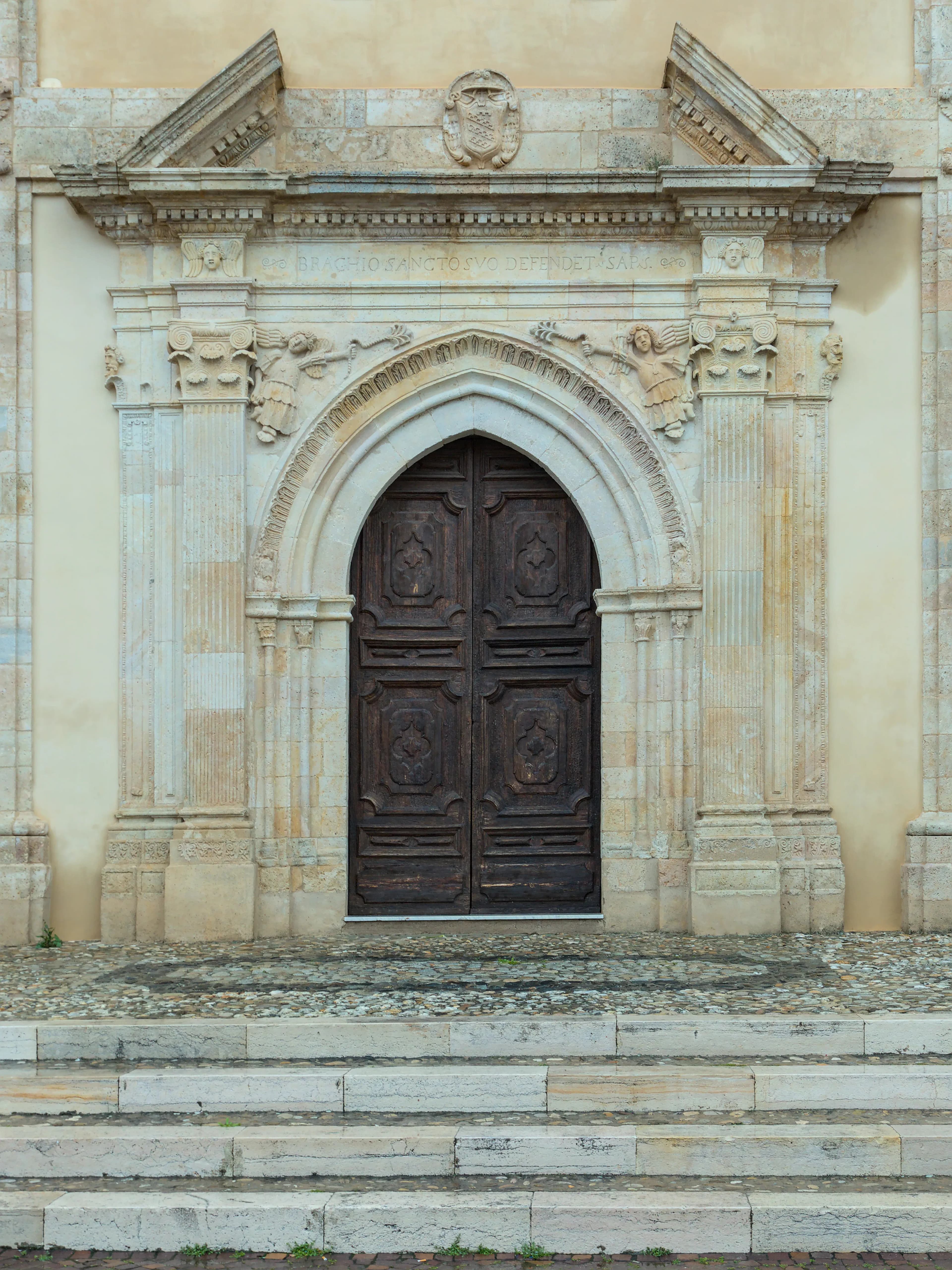
Santa Severina sits in the province of Crotone, 326 metres above sea level, perched on a rocky spur that commands the valley below. Autumn, between September and October, or the months from April to June, offer the finest Mediterranean climate for strolling through the alleys and tackling the area's nature trails without enduring the summer heat. In spring, the streets also host the local Festa Medievale, while as the late-afternoon light wanes in autumn, the village's bare stone takes on much sharper, rawer contours.
Working out what to do in Santa Severina requires your own transport and a pragmatic approach to getting around: the streets of the historic centre are extremely narrow, with minimal room for manoeuvres. A car proves essential not so much for the village itself, but to reach neighbouring hamlets and the river trails of the Alto Marchesato via the Strada Statale 107 Silana-Crotonese. It is a remarkably affordable destination, where you should budget around €35-50 per person per day to cover meals and admission tickets to the historic monuments.
Four Days Between the Marchesato and Val di Neto
Day 1 — The Piazza, Arms and Domes
Morning
You reach the town centre by leaving your vehicle in the parking areas situated below the cliff, for example along the SP25 provincial road near Discesa Pozzoleo or in the spaces just below Piazza Campo. From there, you head up into the village on foot. The focal point of the town is Piazza Campo itself, a grand, sweeping open space redesigned by architect Alessandro Anselmi, which serves as the physical hinge between the seats of religious and military power. Before starting your visits, it is worth stopping at Sofrito - Soul Food, located at number 4 on the square: an ideal spot to sample local Crotone cured meats and cheeses or grab a quick gourmet panino without wasting time.
Afternoon
Overlooking the same square stands the entrance to the Castello Normanno di Santa Severina, an 11th-century fortress that dominates the entire village. A visit takes around an hour and a half to two hours to explore the keep, the cylindrical towers and the internal archaeological museum. Tickets cost between €4 and €5, and individual visitors do not need to book in advance; just keep in mind that during winter hours, the site is usually closed on Mondays. Leaving the castle, just a few metres away, you enter the Cattedrale di Santa Anastasia, founded in the 13th century, followed immediately by the Battistero Bizantino di Santa Severina, the only one in all of Calabria to have survived intact to this day. Allow half an hour for the church and another half hour for the circular baptistery, which preserves frescoes dating between the 10th and 12th centuries. Completing the perimeter of the square is the Museo Diocesano di Arte Sacra, housed inside the Palazzo Arcivescovile, where forty-five minutes is enough to take in historic silverware, vestments and the diocesan archives.
Evening
For dinner, simply head to Discesa Paolo Orsi to the restaurant La Locanda del Re. The terrace looks straight towards the imposing mass of the castle, and the kitchen serves grilled meats and homemade pasta typical of the Calabrian tradition. If you decide to stay right in the historic centre, you will find places to stay just a short distance away, such as Filoxenia in Via Miseria or B&B Borgo Bellavista, which overlooks the valley.
Day 2 — Historic Quarters and the River Trail
Morning
The morning is dedicated to exploring the two ancient quarters clinging to the rocky spur: Rione Grecìa, of evident Byzantine foundation, and Rione Iudìa, which once housed the village's Jewish community. Wandering down through the alleys, you come across the Chiesa dell'Addolorata, a pre-Norman building heavily renovated during the 17th century. Moving into the neighbouring Rione Pozzoleo, you will spot the Chiesa di Santa Filomena, also known as Chiesa del Pozzoleo, characterised by an 11th- to 12th-century medieval structure built on two overlapping tiers with Byzantine-Norman architectural details. For lunch, on Via Tommaso Campanella, Ristorante Pizzeria Trattoria Sant'Antonio offers an informal setting to order traditional local first courses or a wood-fired pizza.
Afternoon
After picking up your car, head down into the valley to access the Ciclopedonale della Val di Neto, with entry points located between Rocca di Neto and the base of Santa Severina. This is a river trail created along an old mule track, stretching for about 38 kilometres. Walking along a section of it, you will cross panoramic footbridges suspended over the water, such as the well-known Calusia walkway. During these afternoon walks, it is essential to carry plenty of drinking water, as fountains are scarce along the river path.
Evening
Driving back up towards the SS107bis brings you to Azienda Agrituristica Le Puzelle in Località Puzelle. This farm stay is the place to try traditional meats from the Sila foothills, local cheeses and, above all, the classic baked 'pasta china', accompanied by Marchesato DOP olive oil and Val di Neto IGT wines. The property also offers rooms for an overnight stay, such as Azienda Agrituristica Le Puzelle.
Day 3 — Caccuri and the Sulphur Waters
Morning
A scenic twenty-minute drive along provincial roads brings you to Caccuri, another certified member of the Borghi più Belli d'Italia. Its most imposing landmark is the Borgo medievale e Castello di Caccuri, a 17th-century noble residence crowned by a large crenellated cylindrical tower, which houses the Cappella Palatina within. Just outside the village, in Località Badia, lies the Badia di Santa Maria del Soccorso (della Riforma). This Franciscan monastic complex, built in the 16th century at the behest of local feudal lords, preserves a rich layering of sacred art and historic documents.
Afternoon
From Caccuri, a fifteen-minute drive takes you into the municipality of Cotronei to reach the Sito e Terme naturali di Bruciarello (about 30 minutes in total from Santa Severina). In this stretch of the river valley, free-access sulphur springs bubble up naturally. The pools and small ponds feature warm water and natural mud banks, making it a wonderful spot to linger for the rest of the afternoon.
Evening
The drive back towards Santa Severina passes through Località Armirò, where you will find Agriturismo Armirò. The menu centres on farm-to-table rural cooking, serving exclusively traditional peasant recipes from Crotone made with produce gathered directly from the surrounding estate.
Day 4 — Trekking over the Hills and Along the River
Morning
The first part of the day involves an uphill hike along the flanks of Monte Fuscaldo, the natural peak situated within the municipality of Santa Severina. The trails criss-crossing the hillside are well suited to trekking and offer elevated vantage points for birdwatching, with entirely unobstructed views sweeping from the badlands of the Val di Neto to the gentler rolling hills of the Marchesato crotonese.
Afternoon
The final excursion takes about 25 minutes by road heading towards Castelsilano. Here you can access the Fiume Lese e sentiero d'acqua. The river Lese is a tributary of the Neto with exceptionally clean, cold water: walking upstream through the riverbed and narrow stone gorges offers a genuine river-trekking experience, wading straight through the water across the pebbly bottom.
Evening
Returning to Santa Severina to round off your trip, you can make the most of the late afternoon or early evening for one last quick stop in Piazza Campo. Sofrito - Soul Food remains the most convenient spot to buy some local cheese or enjoy a quick meal of cured meats before setting off for good along the Statale 107.
Practical Tips for the Alto Marchesato
- To get between villages such as Caccuri and Castelsilano and the natural areas of the river Lese with ease, a car is strictly necessary, using the SS 107 Silana-Crotonese. Driving times between the various day-trip stops consistently hover around 20-30 minutes.
- The medieval alleys of Santa Severina are far too narrow for manoeuvres: avoid driving into the village itself. Parking areas for cars and camper vans are located below the cliff, particularly along the SP25 near Discesa Pozzoleo, from where you can walk up.
- Visiting the castle requires neither long queues nor advance booking for solo travellers or couples. The €4-5 ticket grants access to both the historic rooms and the Byzantine excavation area.
- Along open-air trails like the Val di Neto cycle path or the climb up Monte Fuscaldo, sources of drinking water are scarce or non-existent. It is essential to pack plenty of water in your rucksack before heading away from built-up areas.
Where to Stay in Town and Nearby
A bed and breakfast set in a panoramic position, featuring a swimming pool and clear views over the valley.
View on Booking →A rural property along the state road with an attached restaurant, ideal for sampling home-produced cured meats.
View on Booking →A convenient, central base situated right on Via Miseria, in the very heart of the village's historic core.
View on Booking →