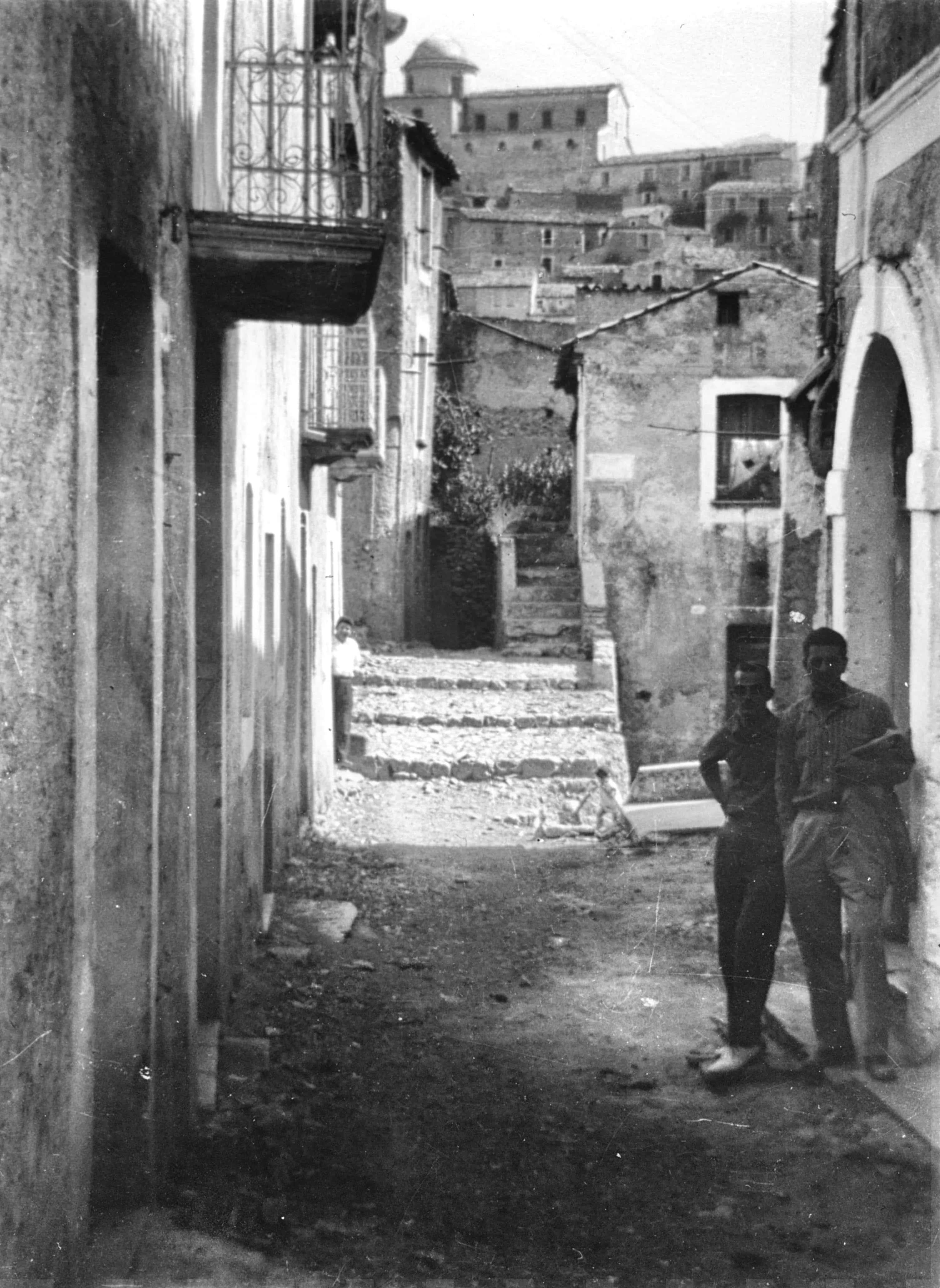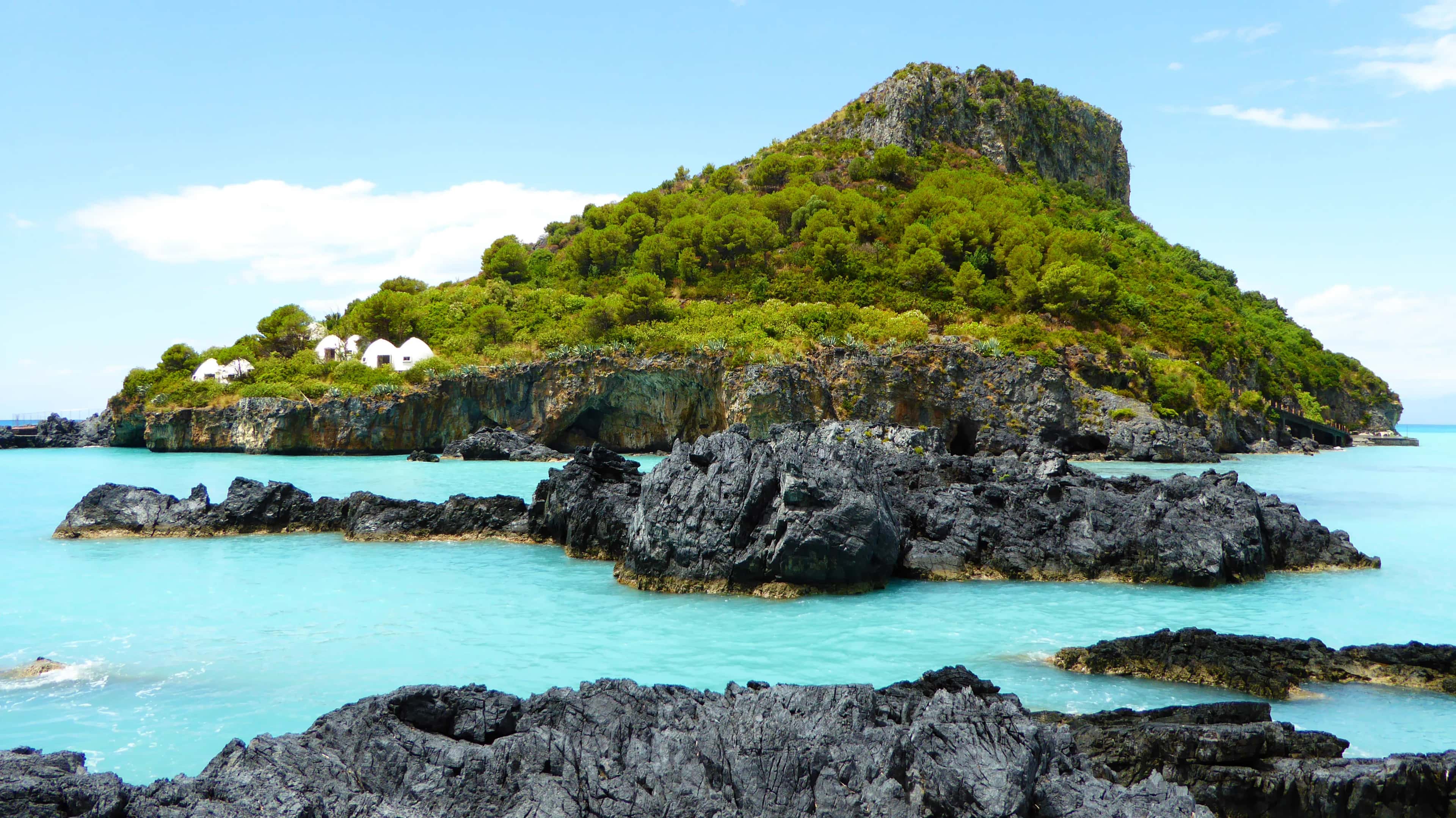

As autumn sets in and the evenings draw out, damp air rises from the Valle del Neto and blankets the village at an altitude of six hundred metres. Spending a Halloween in Caccuri weekend means walking along steep cobbled streets and encountering old tales of poison, well away from the usual tourist routes.
The year 1420 left unsettled business here: Polissena Ruffo, duchess and wife of Francesco Sforza, died within the village's stone walls at just twenty years of age, alongside her daughter Antonia. Contemporary chronicles and local lore point to an assassination by poison, orchestrated to seize the noblewoman's landed estate.
Set among medieval alleys, old Jewish quarters and churches of Byzantine origin, the autumn climate of the Presila heightens the ancient village's sense of seclusion. To immerse yourself fully in the atmosphere, you can stay right inside the historic walls at the Castello Di Caccuri Suites, waking up to mist covering the valley.
How to plan your weekend in the village
Day 1 — The historic centre and shadows of the castle
Morning
The village is closed to traffic, so you set off on foot from the Fontana di Canalaci, an ancient water stop at the entrance to the village. From here, the climb begins along Via Buonasera e le Rughe Medievali, the main thoroughfare. Its name comes from the farmers' custom of greeting the local lords as they returned from the fields at dusk. Following the sloping cobbles, you reach the Chiesa Matrice di Santa Maria delle Grazie. Of medieval origin, it is known as the "unfortunate church" because it underwent continuous rebuilds following fires and earthquakes; inside, it preserves a bronze bell dating from 1578.
Afternoon
The second part of the day involves climbing to the village's highest point. The Castello di Caccuri e Cappella Palatina takes about an hour and a half for a full visit. This former Byzantine stronghold and residence of the Cavalcanti was the setting for Polissena Ruffo's fatal undoing. Just a few steps away stands the Torre Mastrigli. Built in 1882 by architect Adolfo Mastrigli to conceal a water tank, this crenellated cylindrical structure overlooks a sheer drop into the Valle del Neto. It is worth arriving in time for sunset to watch the sun sink behind the Crotone hills.
Evening
For dinner, stay in the historic centre and head down Via Misericordia to Osteria della Ruga. The venue has few tables and serves traditional dishes from the upper Crotone area in intimate surroundings.
Day 2 — The village edges and isolated rock formations
Morning
Start again from the outer edge of the village at the Complesso di Santa Maria del Soccorso, also known as the Chiesa della Riforma. A tour of this sixteenth-century former Dominican convent takes about forty-five minutes, enough time to view the green marble stoup and the Cappella Gentilizia. Heading back inwards, lose yourself in the Rione Judeca, trace of the local Jewish settlement. Amid narrow passages and low reliefs, the remains of a ritual basin once linked to the synagogue still survive. Nearby, leaning against an old defensive gateway, stands the small Santuario di San Rocco e Porta Piccola.
Afternoon
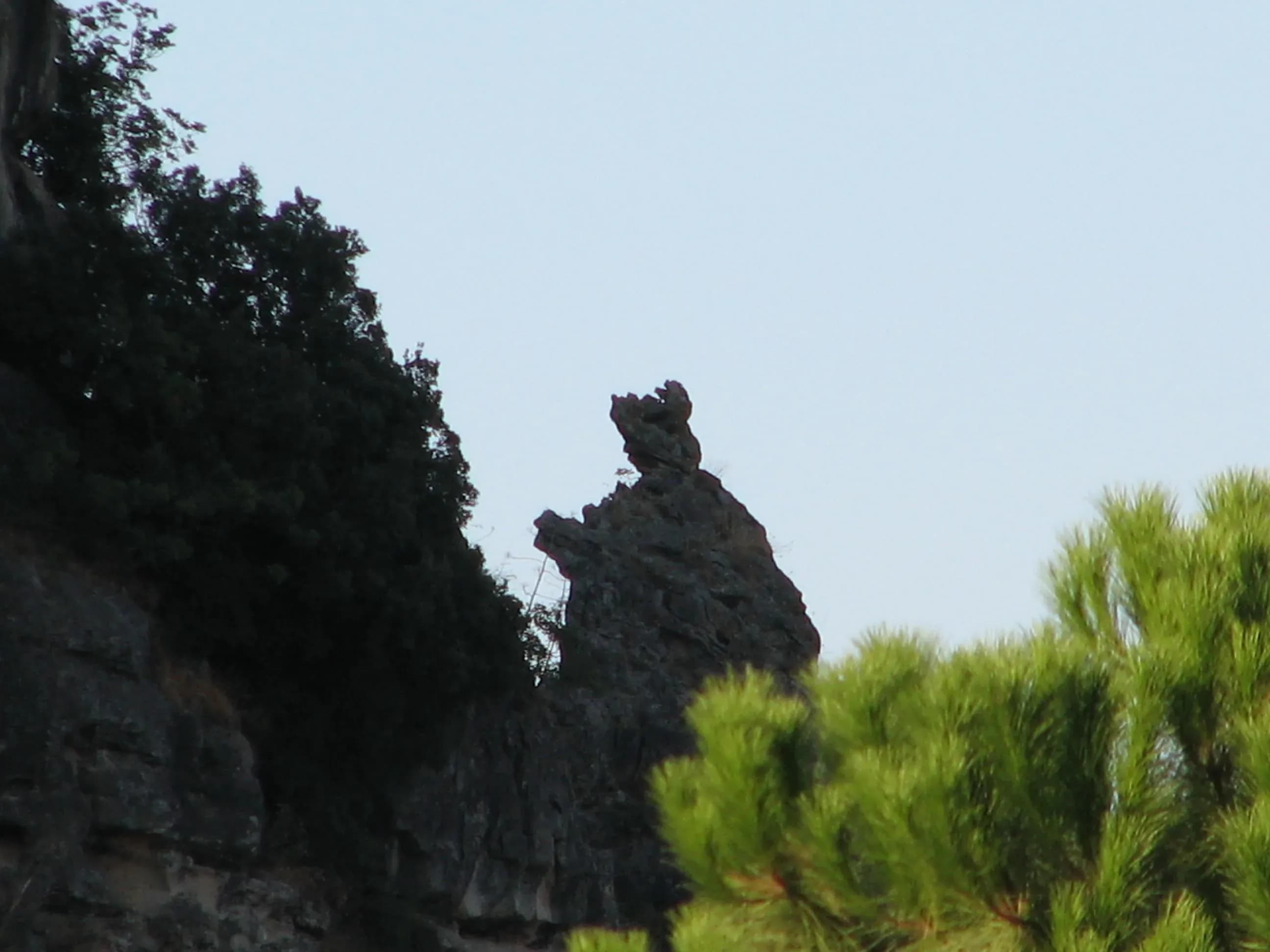
In the afternoon, the itinerary seeks out the area's truly mysterious spots by heading to Forestelle, just outside the settlement. The Grotte rupestri di Timpa dei Santi form a Byzantine lavra hewn straight into the sandstone face plunging down to the river. In the silence of the Mediterranean scrub, you can still make out the remains of medieval frescoes and features of Christ Pantocrator in a stone niche cut off from everything. Returning to the foot of the village, round off the weekend at the Villa Comunale di Caccuri, a park dotted with unusual limestone formations where you can study the fortress walls from below.
Evening
Head out of the village into the farmland for a table at Agriturismo Grancia del Vurdoj. Housed in the remains of an ancient monastic estate among olive trees, it serves handmade pasta and homely Presila specialities.
Practical planning tips
- The drop in temperature is noticeable in late October: the village sits at over 600 metres of altitude and evening humidity is high. Dress in layers, bring a windproof jacket and wear shoes with non-slip soles to tackle the steep gradients of the stone alleys.
- The historic village is closed to cars. The streets are too narrow and steep for vehicles; park in the free parking areas located at the entrance to the village and explore entirely on foot.
- Both the small trattorie in the centre and the agriturismi nearby offer limited covers and are family-run. On autumn weekends, booking a table by phone a few days in advance is essential.
- To arrive by car, take the SS 107 Silana-Crotonese to the designated junction, or travel via the SS 109. If you are using public transport, travel via the airport or train station in Crotone.
Where to stay in Caccuri
Charming rooms inside the historic castle complex, featuring a terrace and period furniture.
View on Booking →Rural accommodation set within an ancient monastic estate, surrounded by olive groves in the Calabrian countryside.
View on Booking →A quiet bed and breakfast located just outside the historic centre, convenient for guests arriving by car.
View on Booking →