

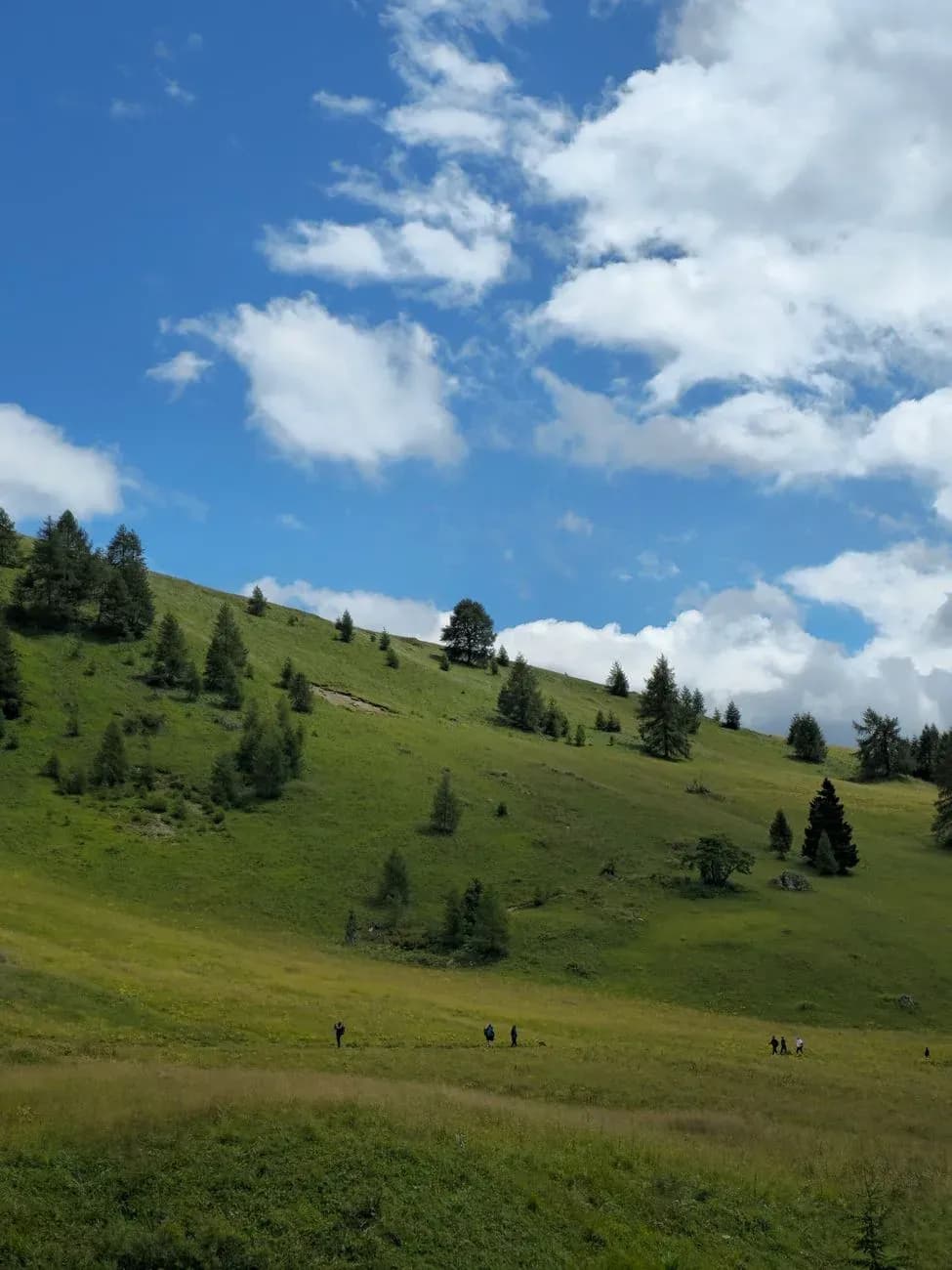
Organising a weekend in Trentino requires a little planning to dovetail your journeys between the historic centres and the side valleys. The best period for this blend of culture and trekking runs from May to October. Spring and early autumn are ideal: they bring clear skies, mild temperatures and the chance to witness the autumn foliage across the art-filled woodlands and around alpine lakes, with far fewer crowds than in August.
The base for exploring the area is usually split between the valley-floor towns. The main thoroughfare connects the urban centres swiftly, but as soon as you branch off towards nature parks or open-air exhibitions, travel times change. This route strikes a balance between hours spent in cultural hubs and high-altitude walks, taking advantage of the early morning for mountain hikes and the afternoons for indoor visits.
How to Organise the Weekend Day by Day
Day 1 — Trento: Between History and Contemporary Art
Morning
Your first day begins in the historic centre of Trento. The natural starting point is Piazza Duomo e Cattedrale di San Vigilio, the monumental heart of the city. Dominated by the Fontana del Nettuno and the Romanesque-Gothic cathedral, it takes around 45 minutes to visit before taking the classic stroll around the Sass; entry to the square is free. A short walk away along Via Bernardo Clesio brings you to Castello del Buonconsiglio. This former residence of the prince-bishops is filled with Renaissance frescoes and houses the Gothic masterpiece of the Ciclo dei Mesi inside Torre Aquila. The visit takes roughly an hour and a half to two hours. Admission is ticketed, and your time slot for the tower must be booked in advance. For lunch near Piazza Fiera, stop at Trattoria Al Volt, a traditional, rustic spot with stone vaulted ceilings, known for its affordable prices and homemade dishes such as strangolapreti and gnocchetti.
Afternoon
In the afternoon, head towards Le Albere district to explore MUSE - Museo delle Scienze. Designed by Renzo Piano, the building focuses on alpine glaciers and sustainability, and even features an indoor tropical greenhouse. Allow around 2–3 hours for the visit; booking a timed entry ticket in advance is recommended to guarantee admission. After leaving the science museum, make your way to Piedicastello to visit Le Gallerie di Piedicastello. This cutting-edge exhibition space doubles as a historical archive, set inside two former road tunnels known as Galleria Bianca and Galleria Nera. Exploring the tunnels takes about an hour.
Evening
Staying in the same neighbourhood, you can have dinner right on Piazza di Piedicastello at Ristorante Il Libertino. This wine-led osteria boasts an extensive selection of local labels and serves hearty dishes such as canederli, tagliolini with Val di Non cured meats, and carne salada.
Day 2 — Art in the Woods and Futurist Museums in Rovereto
Morning
On the morning of the second day, you will need a car to reach Val di Sella, within the municipality of Borgo Valsugana. The destination is Arte Sella: The Contemporary Mountain, a renowned open-air land art park nestled in the woods. The site is famous for installations such as the Cattedrale Vegetale and Sentiero Montura. Allow around 2.5 to 3 hours of walking for the complete circuit; advance booking is not mandatory for individual visitors. Due to weekend mountain traffic regulations, you need to arrive early, before 10:30, to avoid disruption.
Afternoon
After your mountain walk, head down to Rovereto to explore the town's cultural scene. On Corso Bettini you will find MART - Museo di Arte Moderna e Contemporanea. Instantly recognisable by its vast glass dome designed by Mario Botta, it houses major 20th-century Futurist collections. The visit takes around two hours, and the museum stays open until 19:30 at weekends. Straight afterwards, head into the historic centre of Rovereto to see Casa d'Arte Futurista Depero. It is the only museum dedicated to this movement founded directly by an artist, Fortunato Depero, and displays tapestries, advertising posters and distinctive furnishings. Combined tickets with MART are available, and the visit takes about an hour.
Evening
Towards sunset, head up to Colle di Miravalle, also in Rovereto, to see the Campana dei Caduti (Maria Dolens). Cast from the bronze of First World War cannons, this monumental bell overlooks Vallagarina and tolls at dusk. To round off the day, return to the historic centre near Piazza Malfatti for dinner at Ristorante Il Doge. Set within the 17th-century crypts of the Chiesa del Redentore, it serves excellent strangolapreti with butter and sage.
Day 3 — Trekking in Val di Non and on the Plateau
Morning
The third day is dedicated to the mountains, starting within Parco Naturale Adamello Brenta in Val di Non. To beat the crowds, arrive early in the morning at Lago di Tovel. Its turquoise waters are framed by Dolomite forests and ringed by a flat circular trail that takes about an hour and a half to complete. From the lake, drive to Sanzeno to take on the Sentiero nella Roccia e Santuario di San Romedio. This path is carved sheer into the canyon rock along the course of a 19th-century irrigation channel. The walk takes 45 minutes each way and leads straight to the medieval cliffside hermitage.
Afternoon
After the walk, head back to Piazza della Fontana in Sanzeno for lunch at Osteria Casa de Gentili. It is a traditional spot focusing on rustic Non Valley cooking and artisanal preserves, perfect for a break after your hike. In the afternoon, drive towards the Altopiano della Paganella to reach Lago di Molveno. Renowned as one of Italy's clearest lakes, it sits at the foot of the Dolomiti di Brenta and offers scenic lakeside strolls and summer trekking trails along its shores.
Evening
For your final dinner, head south down the valley to Isera, close to Rovereto. Here you will find Casa del Vino della Vallagarina, a consortium-run restaurant serving regional wines alongside local specialities such as tortel di patate with local cured meats and mountain malga cheeses.
Practical Tips to Make the Most of Your Trip
- Ask your accommodation host for the Trentino Guest Card (activated via the 'Mio Trentino' app): it is issued free of charge to guests staying at participating properties and grants unlimited travel on provincial trains and buses, as well as free admission to 60 museums, including MUSE, MART and Castello del Buonconsiglio.
- For travelling between Trento and Rovereto, the regional train is the most efficient option: it takes 15 minutes, saves the hassle of parking, and leaves you within walking distance of MART. A car remains essential, however, to save time when exploring side valleys such as Arte Sella, Val di Non and Lago di Tovel.
- Driving to Arte Sella from Borgo Valsugana requires care on busy weekends. Mountain road regulations are in place: uphill driving is permitted in the morning, while descending traffic runs on alternating one-way controls in the afternoon. Aim to arrive before 10:30.
- To view the Ciclo dei Mesi inside Torre Aquila at Castello del Buonconsiglio, book your tickets online in advance. Access to the frescoes is restricted to small groups every 45 minutes, and weekend slots sell out fast.
- By using the Trentino Guest Card for transport and admissions, expect a budget of roughly €130 to €190 per person for three days, excluding accommodation. Spending will mainly go towards meals, with typical lunches and dinners costing around €25 to €45 each, plus occasional mountain parking fees.
Where to Stay Across the Valleys
Boutique hotel on Corso Rosmini, exceptionally handy for walking to the train station and MART.
View on Booking →Apartments with private parking, ideal for those wanting greater flexibility with their schedule in Vallagarina.
View on Booking →A property featuring a spa and private grounds, conveniently positioned between the lakes and peaks of Valsugana.
View on Booking →