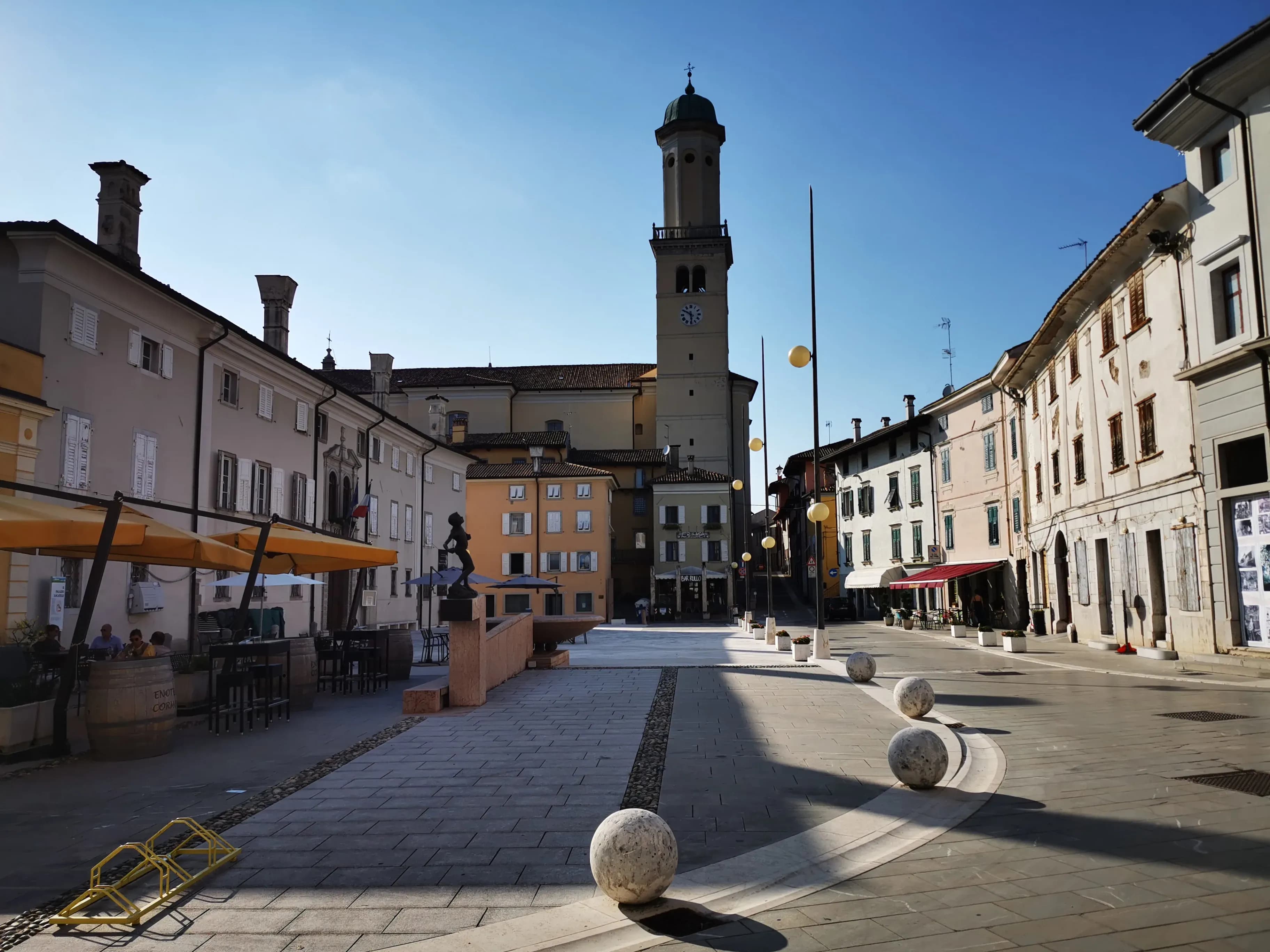
Between September and October, the pace across the hills of the Collio shifts gear. The vendemmia empties the villages and fills the vine rows, turning the leaves yellow and focusing all the work on the wine estates. Cormòns serves as the capital of this wine region hard against the Slovenian border. The character of the local whites—from Ribolla Gialla to Friulano, Malvasia to Sauvignon—stems from the earth itself. It is 'ponka', an Eocene sandstone marl typical of these slopes, which, combined with the temperature range between the Adriatic Sea and the Alpi Giulie, shapes the structure of the area's wines.
Planning a weekend of enoturismo at this time of year means watching the transition of must from vats to barrels. You will not find vast industrial complexes here, but rather family-run cellars and historic estates where vineyards mingle with oak woods. Flavours follow frontier geography: Habsburg culinary traditions cross paths with Friulian customs, pairing structured glasses of wine with cjarsons, game, and artisan-cured meats.
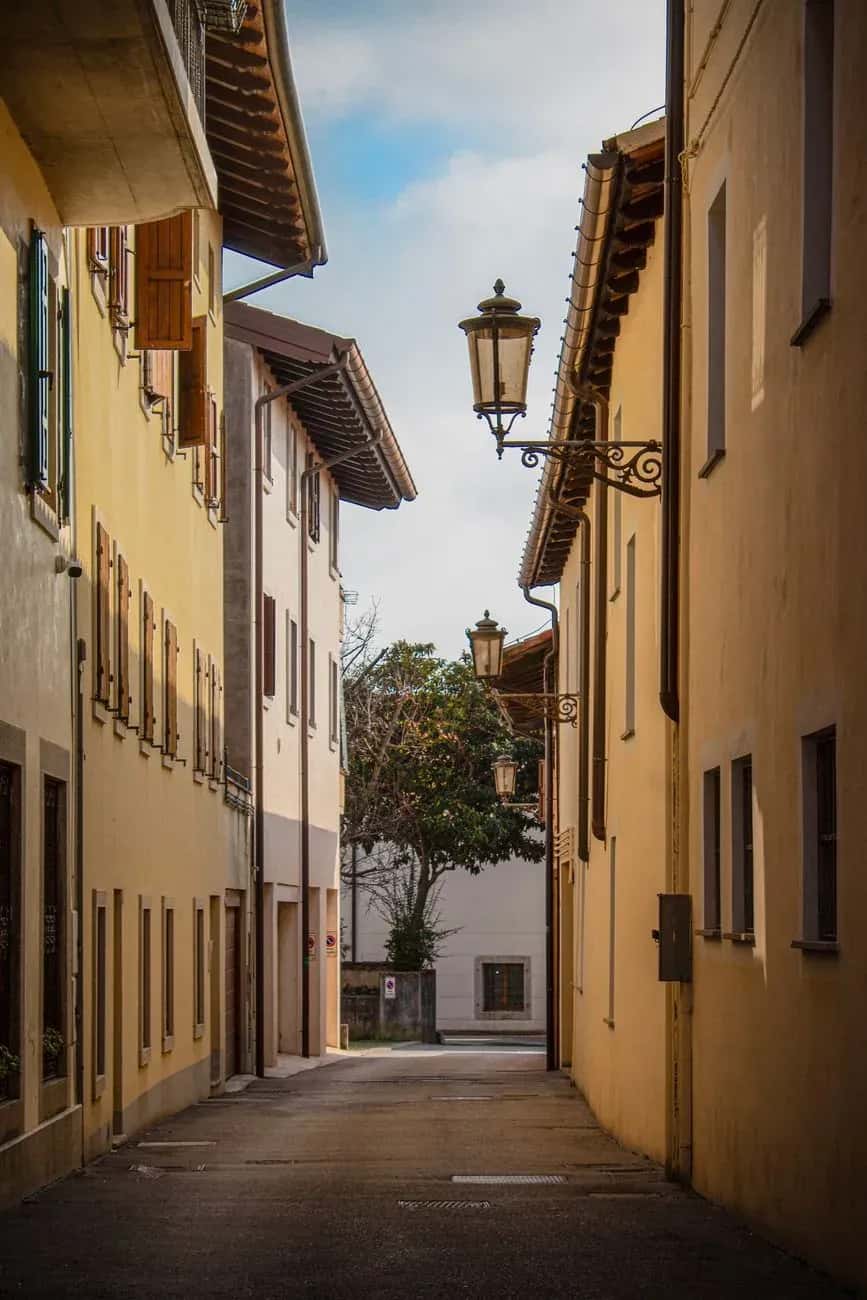
The town's urban layout retains a clear Austro-Hungarian feel. Roads and trails branch out from here, cutting across the hillside hamlets of Subida, Novali, and Brazzano before crossing the border. This landscape calls for slow travel and advance planning, particularly in autumn when agricultural work reaches its peak and accommodation is running at full stretch.
Four Days Among Must and Hills
Day 1 — The Habsburg Core and Your First Tasting
Morning
On arriving in town, it is easiest to leave the car in the car parks next to Piazza XXIV Maggio or near the railway station. Start exploring from the historic core, where the eighteenth-century Duomo di Sant'Adalberto stands out, built over the ancient medieval fortified enclosure. A short walk away, the Chiesa di Santa Caterina (Santuario di Rosa Mistica) showcases the religious heritage of the town centre, housing the wooden sculpture of the Rosa Mistica.
Afternoon
Walk over to Via Vino della Pace to visit the Cantina Produttori Cormòns e Vigna del Mondo. Founded in 1968, the winery tends a remarkable vineyard that gathers hundreds of grape varieties from across all continents, used to craft the 'Vino della Pace'. The tour of the facilities and the subsequent tasting take around one hour and forty-five minutes.
Evening
Stay in the historic centre for dinner at Osteria Caramella. The setting is informal, with a wide rotating selection of Collio wines served by the glass. The kitchen offers homemade meatballs, frico, cjarsons, and the celebrated Prosciutto D'Osvaldo, cured in Cormòns and smoked over cherry wood and laurel leaves.
Day 2 — A Walk Through the Vine Rows of Subida
Morning
Begin the day in Località Subida, a hillside area that is also home to La Subida Country Resort. The Sentiero delle Vigne Alte sets off from here—a 3 km walking trail that takes around an hour. The path weaves through vineyards, linking Cormòns to the village of Capriva. Once back at your starting point, Osteria La Preda welcomes you for lunch with home-style Friulian cooking and freshly made pasta.
Afternoon
Drive towards Località Novali, where Tenuta Della Casa offers a different perspective on local winemaking. The estate runs guided tours through its vineyards and fermentation rooms, offering direct pairings between its own wines and regional dishes such as cjarsons. Towards late afternoon, drive up to Monte Quarin e Chiesa della Beata Vergine del Soccorso. The viewpoint looks out over the vineyard-carpeted landscape from above, where the ruins of a medieval fortress sit alongside a seventeenth-century sanctuary.
Evening
Dinner requires a confirmed booking at the La Subida estate. Trattoria al Cacciatore - La Subida, awarded a Michelin star and run by chef Alessandro Gavagna and the Sirk family, bases its menu on local produce, making thoughtful use of woodland herbs and regional game.
Day 3 — The Historic Estates of Capriva
Morning
The surroundings of Cormòns conceal noble residences intertwined with the history of viticulture. In Capriva del Friuli stands Castello di Spessa e Cantine Medievali, once visited by Giacomo Casanova. The estate, which also hosts the Castello di Spessa Golf & Wine Resort, allows you to explore the ageing cellars carved directly beneath the castle, regarded as the oldest in the Collio.
Afternoon
Still within the municipality of Capriva, the hamlet of Russiz is home to Tenuta Villa Russiz. Founded in the nineteenth century by Count Théodore de La Tour, this estate played a pivotal role in the region's agricultural history, as it was here that modern French grape varieties were first introduced, now a hallmark of local production.
Evening
Back in town, the Enoteca di Cormòns in Piazza XXIV Maggio acts as a shared showcase for the surrounding wineries to visit. It is a strategic spot to sample different labels alongside platters of cured meats before sitting down to dinner. Just steps away, on Via Matteotti, Trattoria Al Giardinetto rounds off the day with attentive service and classic Friulian dishes.
Day 4 — The State Border and Artisan Labels
Morning
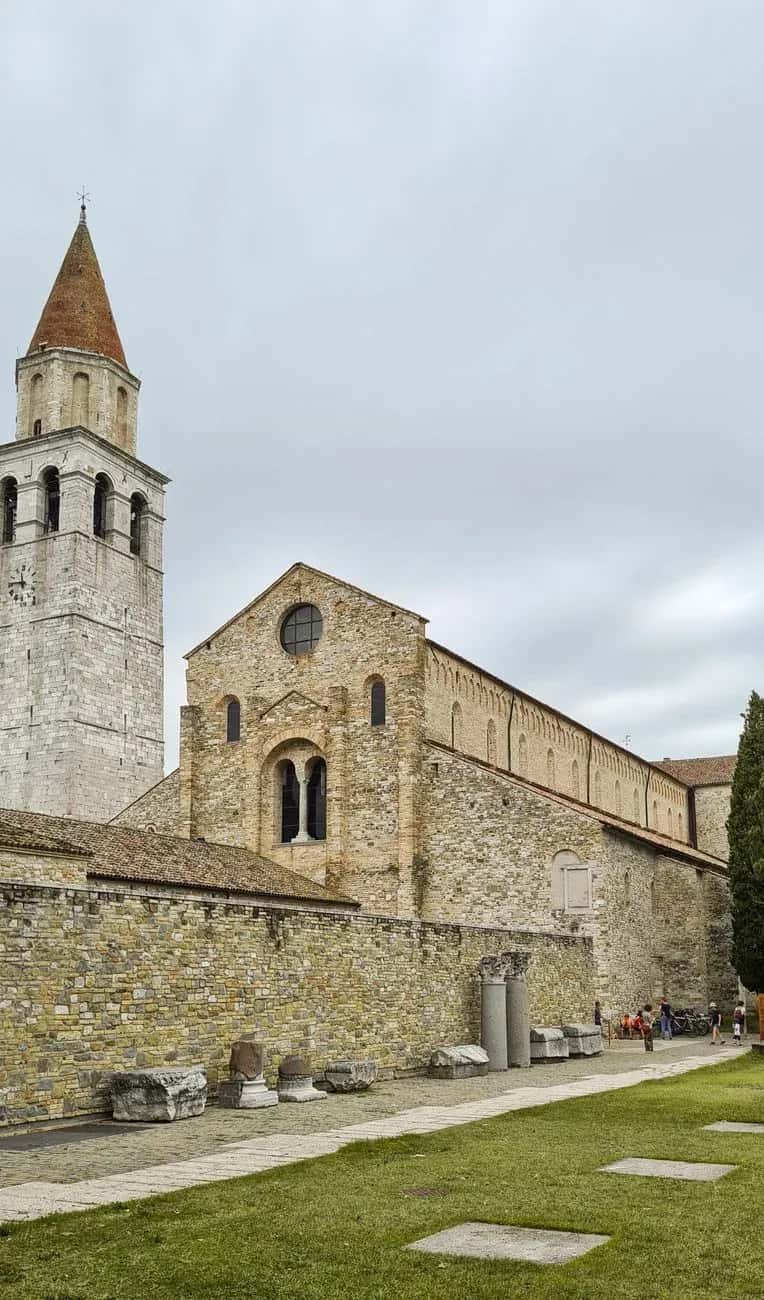
Your final day reaches the very edge of Italian territory. The Parco Naturale di Bosco Plessiva borders Slovenia, offering clearings and woods of oak and chestnut for an easy, flat walk. Heading west, you will come across Borgo di Brazzano e Chiesetta di San Giorgio. This small hamlet is dominated by a fortified church with a crenellated bell tower, and preserves a cemetery dating back to the First World War.
Afternoon
On Via San Daniele, Cantina Borgo San Daniele opens its doors by appointment. The Mauri siblings oversee a renowned artisan production, with a focus on structured whites. Tours offer an in-depth look at winemaking techniques and fermentation schedules for individual vats.
Evening
Round off the weekend on Via San Giovanni at Albergo Ristorante Felcaro. Set within a period villa complete with private parkland, the restaurant captures the area's historical influences, serving dishes that marry Central European traditions with humble Friulian ingredients.
Tips for Planning Your Trip
- During the autumn season, many Collio estates operate at full capacity for the harvest. As these are often family-run businesses, it is essential to book tours and tastings 24 to 48 hours in advance. The same applies to tables at the most sought-after trattorie.
- A car remains the most practical way to tackle the elevation between Monte, Subida, and Novali. However, keep visits to a maximum of two wineries a day: hillside driving stretches travel times, and blood-alcohol checks along the wine routes are frequent and strict.
- If you would rather skip driving, the area offers 90 km of cycle paths on the 'Slow Collio' network. Numerous places rent out e-bikes, and several osterie provide charging points for batteries.
- Local cuisine does not stop at grape must. By late autumn, menus feature Rosa di Gorizia, a prized local chicory. Year-round, cured meat boards ought to include Prosciutto crudo D'Osvaldo, whose smoked curing method is a Cormòns trademark.
Where to Stay
Eco-friendly retreat with wooden cottages set among trees and vine rows, for sleeping in utter silence.
View on Booking →Old-world charm in a historic estate featuring golf courses and subterranean ageing cellars.
View on Booking →Green grounds and a pool at an intimate agriturismo, well placed for exploring the surrounding hills.
View on Booking →