
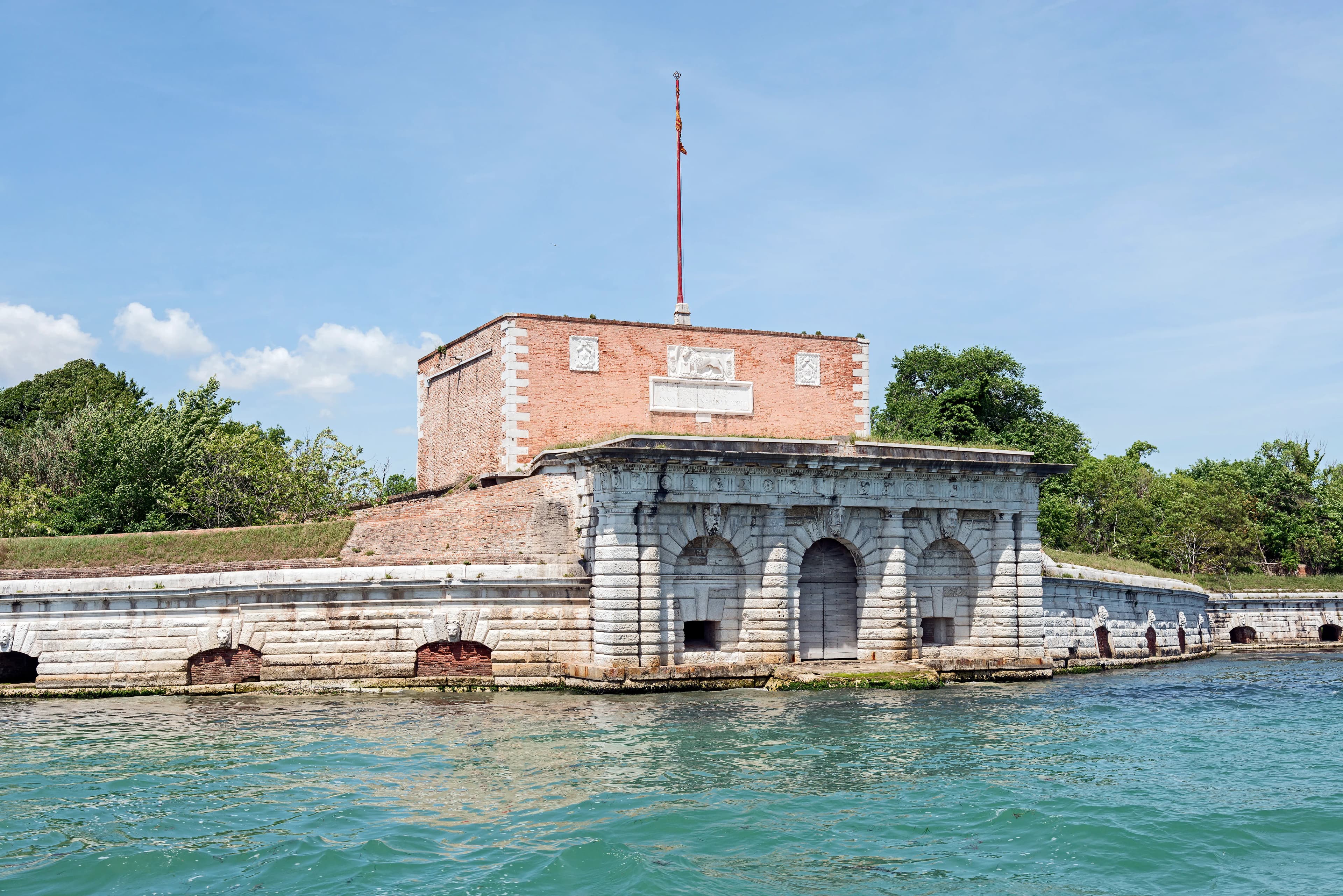
The Laguna di Marano does not do half measures. On one side lies agricultural mainland; on the other, a vast expanse of salt marshes, mud and brackish water where the roads come to an abrupt halt. The barrier island separating the open sea from the calm waters of the lagoon is entirely uninhabited. There are no bridges, no roads, and scheduled ferry lines do not call here. To truly understand Isola di Sant'Andrea and the other minor islets, you have to leave the car behind and rely on a small motorboat—which you can hire with or without a licence—or on local water taxis.
The lagoon's flat horizon changes radically depending on the season. Boat trips and maritime connections run from May to early October, but if your goal is spotting herons and flamingos, spring between April and May or early autumn between September and October coincide with the migratory flyways. A sensible logistical base on the mainland allows you to balance boat outings with inland excursions, as a car or a touring bike becomes essential for tackling the overland stages to the east. Sleeping in the historic centre, perhaps close to the harbour at the JO Hotel or Onda Marina B&B Superior, saves precious time on morning transfers down to the boarding quays.
Four days in the lagoon among boats and salt marshes
Day 1 — Marano Lagunare and the historic fish basins
Morning
Your first day begins on dry land, exploring this amphibious habitat before hiring any boats. It pays to arrive early at the Riserva Naturale della Valle Canal Novo e Acquario Lagunare, a 121-hectare nature reserve reclaimed from a former fish-farming basin. The visitor centre unfolds along wooden boardwalks raised above the water, complete with several bird hides. The barely two hours required for the route are best spent in the morning, when birdlife is at its liveliest. A few hundred metres away, round off the morning at the Museo Archeologico della Laguna, where some 500 artefacts chart the submerged remnants of Roman and protohistoric settlements, including finds retrieved straight from the seabed of the neighbouring island. Allow an hour to take in the interpretation panels.
Afternoon
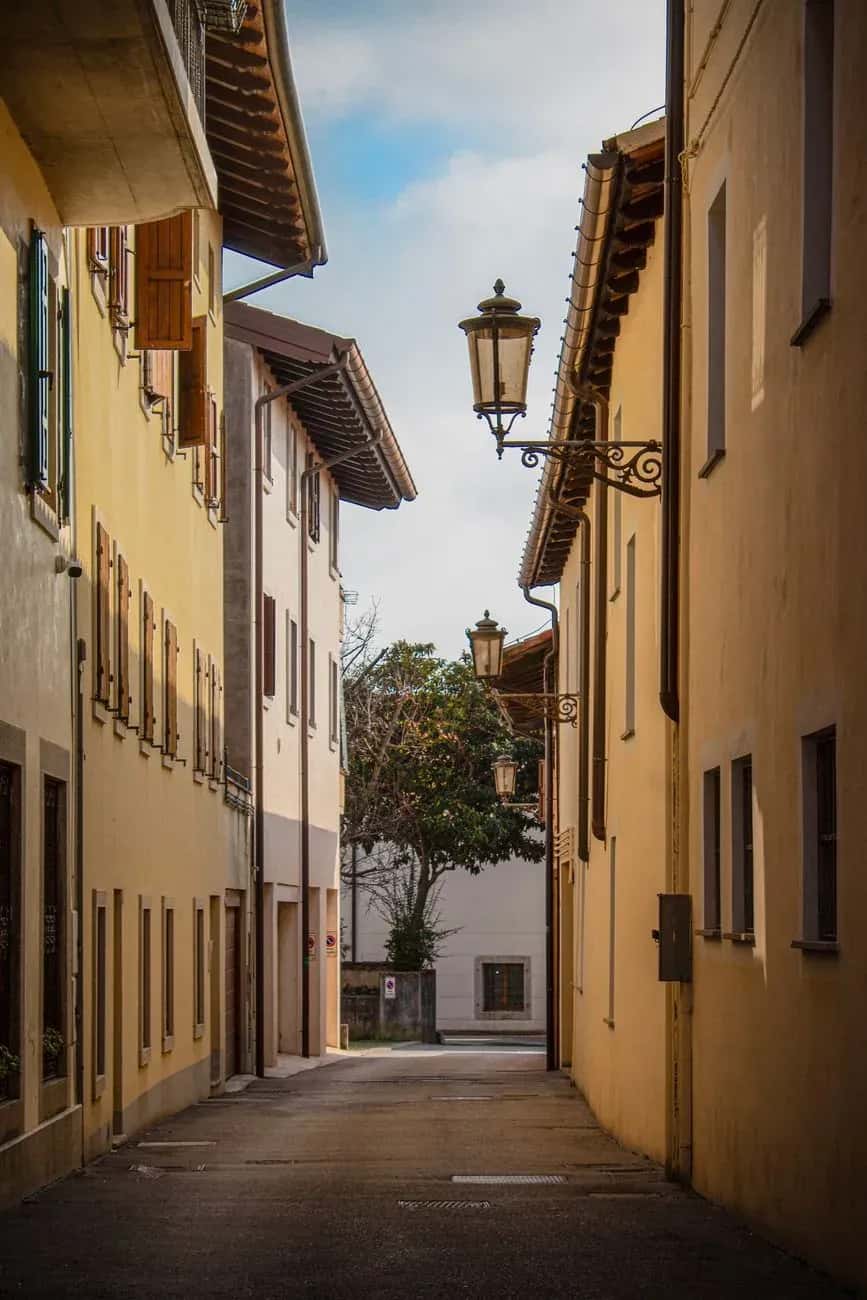
After lunch, head into the Centro Storico e Torre Millenaria di Marano Lagunare, a former fortified outpost of the Republic of Venezia. The layout is textbook lagoon settlement: a maze of narrow alleyways (calli), small stone-paved squares, and the sixteenth-century Loggia. The main visual landmark remains the 32-metre-high Torre Patriarcale, soaring above the terracotta rooftops. A stroll through the lanes takes no more than an hour and a half, letting you get your bearings around the quays where future boat trips will depart.
Evening
Stay in the historic centre for dinner. Trattoria Barcaneta serves ultra-fresh seafood caught between the open sea and the lagoon; given the limited number of tables and a loyal local following, booking a few days ahead is essential to secure a spot.
Day 2 — Landing on Isola di Sant'Andrea and Lignano
Morning
Once you have picked up your hire boat or boarded your pre-booked water taxi, set course for Isola delle Conchiglie (Isola di Martignano). This is a windswept, current-beaten islet renowned for the sheer quantity of shells washed ashore by the tide. Plan a stop of about two hours early in the morning, when low tide exposes wider sandbanks. Landing means stepping straight into the water, often knee-deep, so proper water shoes are indispensable to avoid cuts from sharp debris on the seabed.
Afternoon
Moving slightly further south, skirt the Spiaggia e cordone litoraneo dell'Isola di Sant'Andrea. This long, pristine sandy barrier protects the inner lagoon. You will find no lidos or artificial piers here. A stay of two to three hours allows for a walk along the open-sea beach or a quiet birdwatching session among clumps of pioneer dune plants. In the late afternoon, after heading back or catching the ferry across the lagoon, reach Punta Faro to see the Faro Rosso e Passerella Panoramica di Lignano. The timber walkway marks the precise meeting point of the Adriatic and lagoon currents. A 45-minute sunset stroll rounds off the day neatly.
Evening
Back in Marano, dine beside the old fish market. Trattoria alla Laguna - Vedova Raddi is a historic dockside address, famous for its classic brodetto maranese fish stew made with catches landed just steps from the kitchen.
Day 3 — River reserves and traditional fishing nets
Morning
Today calls for larger passenger boats or guided kayak tours to explore the Riserva Naturale Regionale Foci dello Stella e Villaggio dei Casoni. Entry is only permitted by water, and authorised vessels take three to four hours to navigate the river reedbeds. Boat excursions must be booked before arriving at the dock. The route threads through the waterways to a settlement of historic timber-and-thatch huts, the casoni, built by fishermen with their doorways facing west to shelter from the biting north-easterly winds.
Afternoon
Back on the mainland, take the car or bicycle north-west. Around fifteen minutes away stands Bilancia di Bepi in Palazzolo dello Stella. This historic stilt house anchored on the riverbank operates an enormous 25-by-25-metre drop net (bilancione) for fishing. Canoe trails along the freshwater river depart from here. The visit takes around two hours, and late afternoon is the ideal time to watch the net's lifting winches in action as the light dips over the water.
Evening
No need to travel for dinner. Right next to the stilt house sits Ittiturismo La Bilancia di Bepi, serving an informal frittolin (fried seafood cone) and straightforward daily catches eaten literally at water level. Seats are scarce, making booking compulsory.
Day 4 — Aquileia, Grado and the inland heritage
Morning
Driving about half an hour east, the lagoon horizon yields to archaeology. In Aquileia, the Basilica di Santa Maria Assunta e Pavimento Musivo warrants a morning visit to admire the detail of its immense fourth-century mosaic floor, the largest in the Western Christian world. Exploring the complex and its frescoed crypt takes around an hour and a half. From the nearby quay, drive to Grado to catch the ferry; a twenty-minute crossing brings you to the Santuario dell'Isola di Barbana, a sixth-century monastic sanctuary isolated amid the salt marshes. Allow a couple of hours for the crossing and walk.
Afternoon
Returning across the causeway, wander into the Centro Storico di Grado (Castrum Romano). Two hours on foot are enough to thread the maze of campielli and stone fishermen's houses centred on the Basilica di Sant'Eufemia and its lapidary collection. Heading back west, stop for two or three hours in Palmanova. Piazza Grande e Parco dei Bastioni allow you to walk along the ramparts and dry moats of this nine-pointed fortress town, finishing in the vast hexagonal central square.
Evening
Back in Marano Lagunare, your final dinner focuses on revisited local traditions. Ristorante Ai Tre Canai works with seasonal catch from the lagoon channels and northern Adriatic, with a particular flair for seafood risotto.
Practical tips for exploring the lagoon
- Landing on islands with no bridges requires hiring a boat. There are no built quays, cafes or public toilets: you disembark directly into the water, sometimes up to your knees. To avoid cuts on uneven seabeds, pack rubber water shoes, along with a generous supply of drinking water and insect repellent.
- If travelling between mid-June and September, take advantage of the public maritime passenger lines (TPL FVG or TP Laguna). These routes connect Lignano and Marano in forty minutes and carry bicycles, sparing you the long road drive right around the coastal curve.
- Budget roughly €45 to €70 per person per day for day-to-day logistics, accommodation excluded. This covers small boat hire or guided channel boat tours (averaging €20 to €30), combined admission tickets for the Aquileia archaeological sites, and meals in harbourside trattorie.
- The sequence of mainland stages depends on your transport. While the lagoon itself is explored by water, journeys to Palmanova or the archaeological area to the east require a car or a road/e-bike to handle legs of over twenty to thirty minutes from the centre of Marano.
Where to stay along the coast
Three-star hotel on Via Udine, located a short walk from the central calli, with an on-site restaurant.
View on Booking →Harbourside property in the heart of the village, convenient for its adjacent parking area.
View on Booking →Nautical resort along the Aussa-Corno river, offering guest rooms and a bar for those seeking a full-service marina.
View on Booking →