

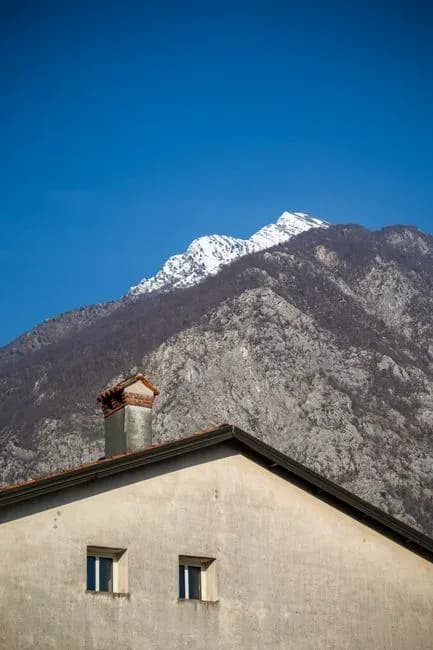
Italy's far north-eastern tip hides quiet valleys and routes that often slip under the radar. Planning a weekend in Friuli-Venezia Giulia centred on the Tarvisiano means constantly skirting the border, where the Alpi Giulie form a natural and cultural watershed between Italy, Austria and Slovenia. The area is easy to explore in a couple of days, thanks to short driving times between sights, which rarely exceed fifteen minutes.
The window from June to early October guarantees ideal hiking temperatures and clear skies. If you are looking for an alternative to the summer peak, aim for October: the shores of the alpine lakes turn with autumn foliage, and the forest trails empty almost completely. You will need a practical approach, sturdy footwear suited to slippery surfaces, and the awareness that many mule tracks require a fair bit of effort, well rewarded by the heights reached and the rifugi open along the way.
Wandering between fir forests, repurposed railway lines and isolated historic hamlets perched up high, the itinerary lets you take in the diverse facets of this three-border territory. The mountain landscape here is not just about rocky peaks; it carves deep limestone gorges and shapes vividly coloured water basins, in a setting where nature still sets the pace of every journey.
Two-day itinerary in the Tarvisiano
Day 1 — Glacial waters and deep gorges
Morning
The day begins around Fusine in Valromana, heading towards Lago Superiore e Lago Inferiore di Fusine. These two alpine lakes of glacial origin stand out for their emerald waters, towered over by the profile of Monte Mangart. It pays to arrive early in the morning to beat the build-up of traffic along the access road. The walking route that loops around both lakes takes between an hour and a half and two hours on flat ground. After circling the lakes, the route climbs up along the Sentiero per il Rifugio Luigi Zacchi. This classic hiking trail, marked as CAI path 512, winds through the woods and rock faces of the Alpi Giulie. The ascent involves an elevation gain of around 450 metres and requires an hour and a half to two hours of steady walking to reach the rifugio above.
Afternoon
For lunch, Rifugio Luigi Zacchi welcomes hikers at an altitude of 1,380 metres in the Conca delle Ponze. The outdoor terrace looks straight onto Mangart, and the menu focuses on hearty mountain cooking, with generous dishes such as frico and piping hot polenta. Once you have rested, the descent brings you back to the starting point. From Fusine, head to Boscoverde to explore the Orrido dello Slizza. The circular trail, roughly 2 kilometres long and taking an hour to an hour and a half, drops into the gorge carved out by the stream. You walk along suspended wooden boardwalks and pass through short tunnels cut directly into the rock. A short distance away you can also spot a stretch of the Ciclovia Alpe Adria (tratto Tarvisio), created along a disused railway line, which spans the gorge via old panoramic bridges.
Evening
For dinner, head to Via Dante Alighieri in Tarvisio to Trattoria Miramonti. The setting is unpretentious and traditionally alpine, serving a menu rooted in Friulian tradition. Portions focus on well-executed meat and local produce, offering very fair value for money.
Day 2 — High-altitude hamlets and quiet forests
Morning
Day two heads towards the hamlet of Camporosso in Valcanale for the climb to the Borgo e Santuario del Monte Santo di Lussari. This alpine settlement and pilgrimage site sits at 1,790 metres above sea level. You have two ways to reach it: if you prefer to walk, take on the Sentiero del Pellegrino (Monte Lussari), an 8.3-kilometre historic trail. The climb takes around three and a half hours of solid effort, making trekking boots with good grip an absolute must. Alternatively, hop on the cable car departing directly from Camporosso, which covers the elevation in a few minutes, dropping you right among the stone houses of the borgo.
Afternoon
Once at the top, stop for lunch at Ristorante Rifugio Monte Lussari. Right in the heart of the borgo, it specialises in cooking that blends influences from the three borders. Tables feature a mix of Friulian, Carinthian and Slovenian flavours, with dishes like spiced goulash and melting frico. After exploring the hamlet and soaking up views across the surrounding peaks, head back down to the valley. The afternoon continues on towards Malborghetto Valbruna to immerse yourself in Val Saisera. Dominated by the rocky massifs of Jôf di Montasio and Jôf Fuârt, this alpine valley is known for the deep silence of its woods. The themed trails among the fir trees are popular for forest bathing and offer gentle, flat paths ideal for loosening up after the morning's climbs.
Evening
Round off the weekend back in Camporosso in Valcanale with a table at Ristorante Haberl. A historic fixture in the Tarvisiano area, it serves alpine barley soups, Carinthian specialities and hearty warm dishes typical of Val Canale — perfect for wrapping up two days spent tackling trails and elevation gains.
Practical tips for your trip
- A private car or camper van is the most practical way to reach the trailheads. Drive times between Tarvisio, the Camporosso cable car station and the Laghi di Fusine are generally just 10-15 minutes each way.
- During the peak summer season, driving access to the car parks near Lago Inferiore and Superiore di Fusine carries a toll. To avoid it, leave your vehicle in the free car park one kilometre further down the valley and walk up along the Sentiero Rio del Lago.
- The camper van area at the start of the cycle path in Fusine in Valromana costs around €20 for 24 hours. Another free option for recreational vehicles can be found at the base of the cable car to Monte Lussari, in Camporosso.
- The cable car from Camporosso up to Lussari usually runs from 9:00 to 17:15, with extended hours from 8:30 to 18:15 on Sundays. Be sure to check seasonal variations before setting off.
- The wooden stairways and boardwalks in the Orrido dello Slizza get very slippery due to the moisture from the stream. Pushchairs are not permitted, and sturdy trekking shoes are mandatory.
Where to stay in the Tarvisiano
Very close to the centre and set at the foot of the alpine ski slopes, with an on-site spa for unwinding.
View on Booking →Set on the slopes of Monte Priesnig and a short distance from the centre, featuring a convenient heated indoor pool.
View on Booking →Surrounded by woods and the peace of the valley, this is a strategic base for scenic hikes into nature.
View on Booking →