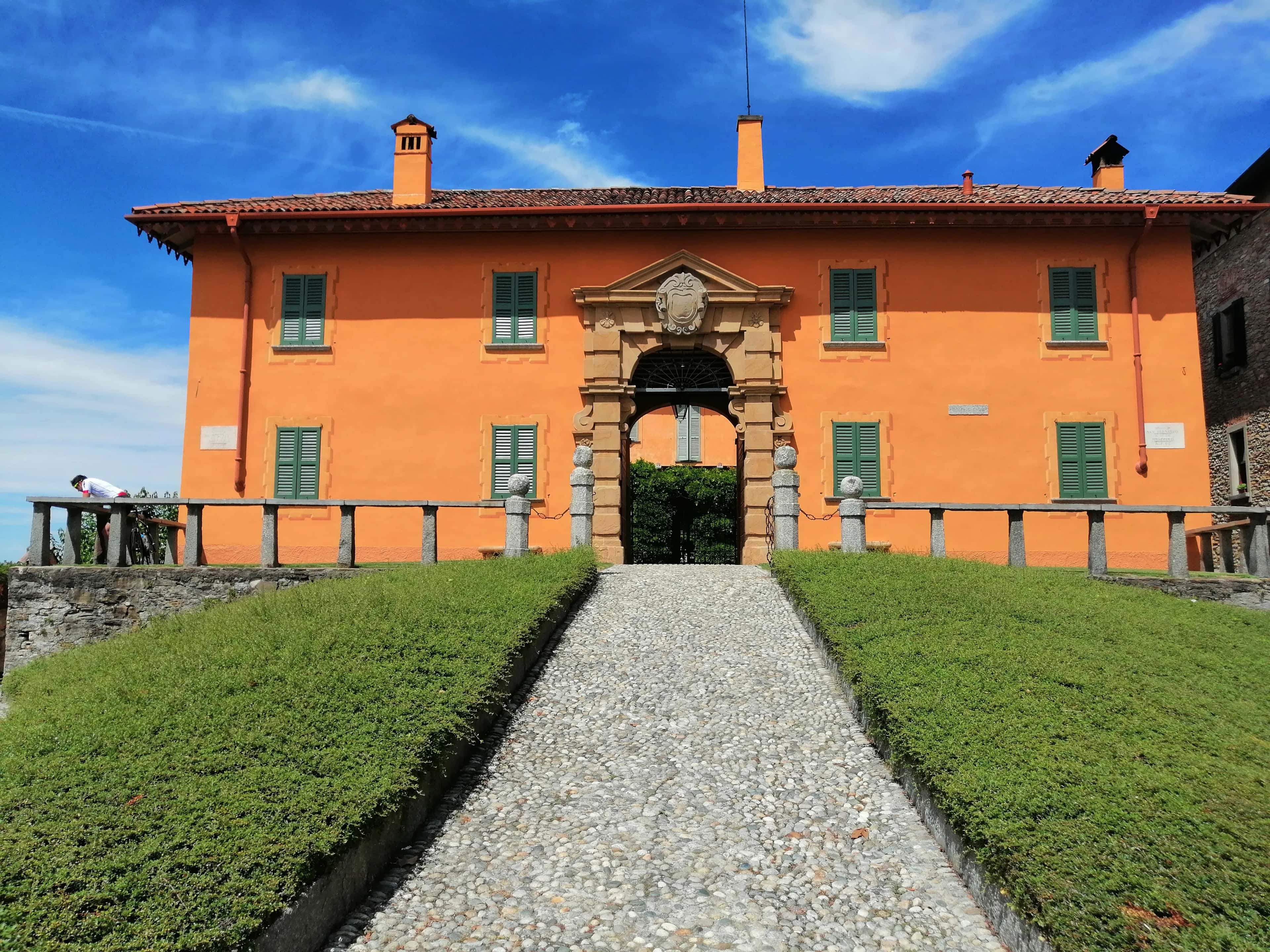


Autumn transforms the rolling contours of the hills around San Colombano al Lambro. This area is the only controlled designation of origin (DOC) wine region within the Città Metropolitana di Milano, sitting as a geographic exclave nestled between the provinces of Lodi and Pavia. Local viticulture traces its roots back to Roman times and flourished in the 7th century thanks to the work of the Irish monk Colombano.
Between October and November, all eyes turn to the fruits of the harvest. This is the ideal time to taste vino novello and new vintages, celebrated with events that peak in early November during Cantine Aperte a San Martino. The local red DOC is crafted by blending Croatina, Barbera and Uva Rara grapes. Getting around depends on what you are exploring: the historic centre is easily enjoyed on foot, but you will need a car or a rented e-bike to visit the various wineries dotted across the undulating hills.
Planning your weekend in the vineyards
Day 1 — The historic village and first tastings
Morning
You enter the village by passing through Il Portone (Arco di Borgoratto), an ancient fortified gateway marking the threshold of the historic quarter. Before heading up into the hills, drop by Forno Segalini on Via Steffenini, a historic bakery and delicatessen where you can pick up rustic focaccia, artisan bread and traditional local pastries. A few steps further brings you to the complex of Castello di San Colombano (Castello Belgioioso), a medieval fortress that was destroyed and later rebuilt by Federico Barbarossa. The noble rooms and internal gardens open mainly on Sundays, with guided tours taking around an hour and a half. Right inside the castle's entrance hall is the Enoteca del Consorzio Vino D.O.C. San Colombano, the perfect place to get your bearings on the various labels of the local DOC and IGT Collina del Milanese before venturing out into the vineyards.
Afternoon
In the early afternoon, step into Piazza del Popolo to admire the Chiesa Parrocchiale di San Colombano Abate. Dating from the late 15th century and expanded during the 19th century, the church preserves several artworks, most notably the altarpiece of the Crucifixion painted by Bernardino Campi. Still within the historic centre, on Via Oneto, you will find the first major wine estate on the itinerary: Cantina Poderi di San Pietro. Managing more than 60 hectares of vines, the winery hosts tastings in its barrel cellar paired with local cured meats and cheeses; you must book your spot in advance for guided tours and vineyard walks.
Evening
For dinner, stay right in the village centre on Via Monti, taking a seat at Bistrot 85. The restaurant serves a menu of contemporary twists on Lombard cuisine, with fresh pasta and seasonal dishes paired with a wine list showcasing surrounding producers.
Day 2 — Autumn foliage, undulating trails and historic barrel cellars
Morning
Your second day is spent entirely outside the village centre. Following the Sentieri del Parco della Collina di San Colombano, you will walk among wooded hills and pergola-trained vineyards, wrapped in the brilliant hues of autumn foliage. The network of unpaved trails opens up sweeping views across the plains of the Lambro and the Po, making it great for both walking and mountain biking. Along the route you will come across Il Lazzaretto, an isolated 17th-century complex historically linked to the plagues that struck the area, which today serves as a crossroads between the village and the surrounding farmland.
Afternoon
Around midday, head to Via Madonna dei Monti, where Cantina e Agriturismo Panizzari has been operating since 1898. The estate sits directly on the hill, with vineyards wrapping around the main buildings. Lunch is served in the rooms of Agriturismo Panizzari, set inside the old barrel cellar: the kitchen relies on zero-km ingredients, offering local cold cuts, fresh pasta and hearty autumn dishes accompanied by their own DOC wines. After lunch, take a stroll through the estate's rows of vines. If you choose to stay at the nearby Foresteria Tosi, you will be roughly a kilometre away, surrounded by countryside.
Evening
Heading up along Strada Serafina, you will reach Ristorante La Caplania, housed in a sensitively restored hillside farmhouse. The evening menu focuses on traditional favourites and classic risottos, with autumn themed nights dedicated especially to wild mushrooms and truffles.
Day 3 — Sparkling wines, honey and prehistoric fossils
Morning
Start the morning along the ridge lines on Via Capraia at Azienda Agricola Nettare dei Santi. Run by the Riccardi family, this winery enjoys panoramic views over the hills and produces Metodo Classico sparkling wines alongside its DOC reds. Guided tours let you stroll between the vines and finish with tastings in the cellar. Just a short hop away on the hill, make a stop at Azienda Agricola I Germogli, founded by Giancarlo Tosi. This small, artisanal producer pairs its DOC winemaking with beekeeping, offering an intriguing tasting that sets local wines alongside honey harvested from hives right next to the vineyards.
Afternoon
Heading back down to the plain, make your way to Palazzo Patigno on Via Monti, home to the Museo Paleontologico e Archeologico Virginio Caccia. Its rooms display artefacts unearthed during excavations and farming on the hillsides; the star exhibit is an intact prehistoric rhinoceros skull. Before bidding farewell to San Colombano, pass by the Oratorio di San Rocco, an octagonal Renaissance building in the Bramantesque style, attributed to Amadeo and Battaggio. The interior is not openly accessible, but group visits can be booked in advance.
Top tips for exploring the hill
- Food pairings here follow timeless traditions: the local red wine is best enjoyed with Raspadüra, the typical thinly shaved cheese from Lodi, or alongside autumnal boiled meats and polenta. San Colombano Passito, by contrast, is served at the end of the meal with blue cheeses.
- To visit the wineries and enjoy tastings with the winemakers, book well in advance, particularly on weekends in October and November when visitor numbers on the hills increase significantly.
- Cultural sights have limited opening hours: the castle, historic palazzi and the palaeontology museum open almost exclusively on Sundays, often with reduced hours, so always check ahead before your weekend trip.
- Autumn is the prime season for watching the foliage turn and tasting new musts. When walking between the vines at this time of year, the hills' clay soil calls for waterproof walking boots or shoes with decent grip.
Where to stay in the village
A welcoming B&B set on the lower slopes of the hill, just a short walk from the historic centre.
View on Booking →Accommodation immersed in rural surroundings, roughly a kilometre from the village and close to country trails.
View on Booking →A base right in the streets of the historic village, just paces away from the castle and the enoteca.
View on Booking →