When temperatures drop and the mosquitoes clear off the shores of the Mincio, autumn becomes the most practical time to plan a budget weekend in Mantova. The city of the Gonzaga is flat and compact, easily explored on foot or by hiring a bicycle to follow the cycle paths along the lakes, reducing urban transport costs to zero. Staying in central accommodation such as Hotel dei Gonzaga or close to the trains like Albergo Bianchi Stazione makes getting around even simpler.
Working out what to see in Mantova and its surroundings does not require a hefty budget. The historic local cuisine lends itself brilliantly to keeping costs down, having evolved from the marriage of peasant ingredients and courtly demands. Pulling up a chair in an osteria for a risotto alla pilota, served crumbly with seasoned pork salamella, or for a plate of tortelli di zucca with mostarda, guarantees generous portions at affordable prices, typical of Mantova's traditional everyday menus.
Four days in Mantova: the itinerary
Day 1 — The heart of Gonzaga power
Morning
The monumental centre opens onto Piazza Sordello, a vast cobbled expanse overlooked by medieval palaces and the Duomo di San Pietro, which is free to enter. On the same side of the square stands the Casa di Rigoletto, a 15th-century residence linked to Verdi's opera. The internal courtyard houses the statue of the court jester and admission is free: early morning and dusk are the best times to avoid the crowds.
Afternoon
Dedicate the entire afternoon to the vast complex of Palazzo Ducale e Castello di San Giorgio, also in the Piazza Sordello area. A visit takes between two and three hours on average. There is an admission charge, but if your trip falls on the first Sunday of the month, state museum tickets are free. In any case, to access the Camera degli Sposi painted by Mantegna, it pays to plan well ahead, as booking is required.
Evening
Before dinner, head down towards Lungolago Inferiore and Lungolago di Mezzo. The Passeggiata dei Tre Laghi e Ponte di San Giorgio is a free pedestrian path that frames the city's skyline mirrored in the water, looking especially sharp at sunset. For dinner, head back towards the centre: near Palazzo Ducale you will find Antica Osteria Fragoletta in Piazza Arche. Founded in the 18th century, it serves cured meats with gras pistà and local risotto while keeping the bill firmly under control.
Day 2 — Medieval squares and waterways
Morning
The city's main drawing room shifts to Piazza delle Erbe, framed by trading porticoes and the imposing mass of Palazzo della Ragione. The cost to climb the Torre dell'Orologio is modest and lets you see Bartolomeo Manfredi's astronomical clock up close. Back on the ground, visit the Rotonda di San Lorenzo, founded by Matilde di Canossa: it has a circular floor plan, takes roughly twenty minutes to see, and admission is by voluntary donation.
Afternoon
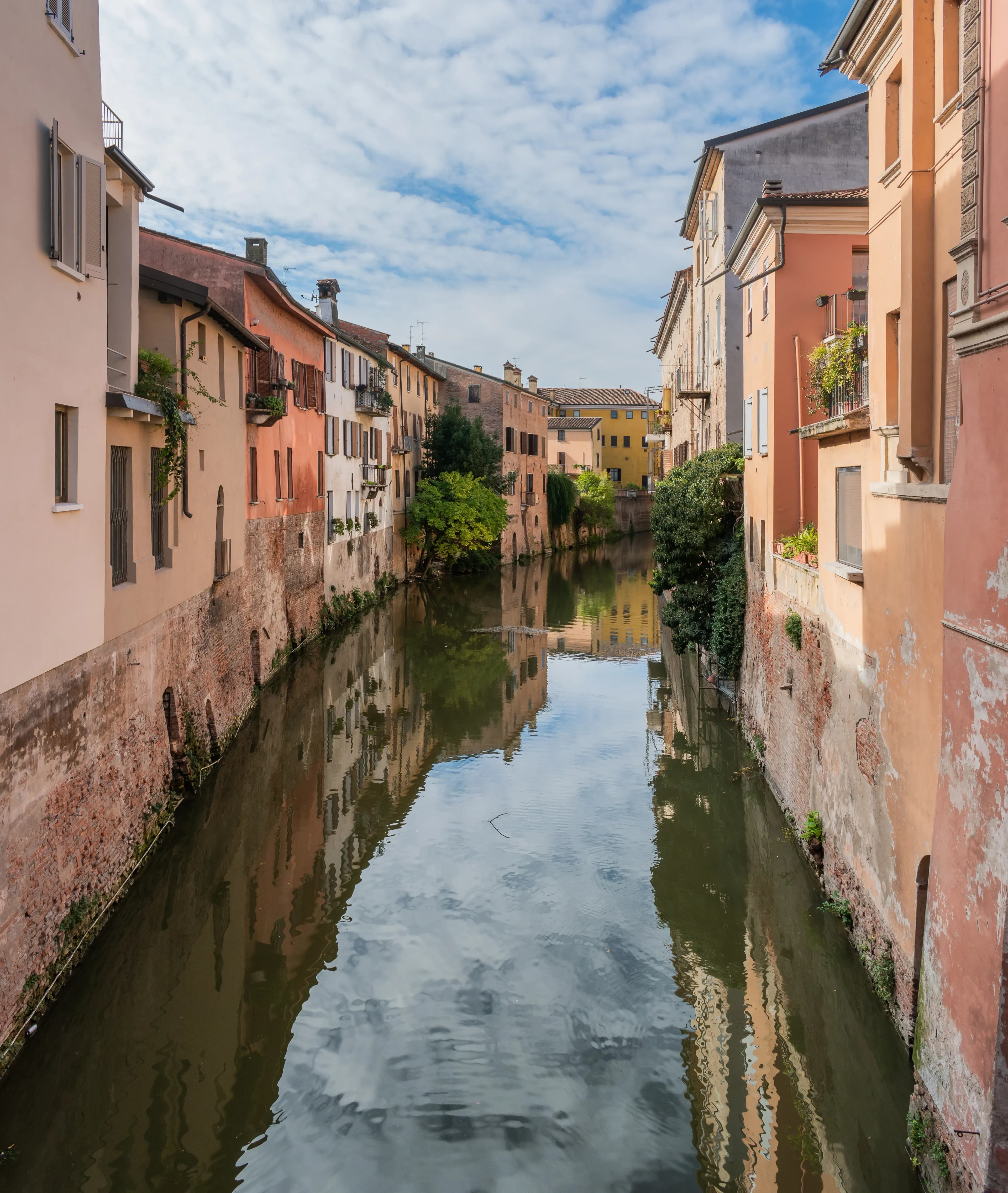
In Piazza Mantegna, step inside the Basilica di Sant'Andrea, a masterpiece by Leon Battista Alberti. Entry is free and allows you down into the crypt housing the Sacri Vasi. Continuing on towards the Canale Rio, pause to admire the Loggia delle Pescherie di Giulio Romano, a 16th-century building set directly over the water, best viewed from a stroll along the banks.
Evening
To stay close to the historic centre without watching prices climb, Ristorante Giallozucca sits a short walk from Piazza delle Erbe. The setting is polished yet informal, and the menu focuses on platters with grilled polenta, hearty portions of tortelli, and classic torta sbrisolona at sensible prices.
Day 3 — Pleasure villas and courtly art
Morning
Heading south towards Viale Te, the day begins at Palazzo Te, the pleasure villa designed by Giulio Romano. Between the Camera dei Giganti and the Camera di Amore e Psiche, you should allow at least two hours. The admission ticket is combined, also covering the nearby MACA - Museo di Palazzo San Sebastiano, housed in Francesco II Gonzaga's former residence in Largo XXIV Maggio.
Afternoon
Returning towards the centre along Via Acerbi, you will come across Casa del Mantegna, designed by the painter himself. The cylindrical courtyard set within a square plan often hosts temporary exhibitions with free entry or very low fees. On Via Accademia, the Teatro Scientifico Bibiena warrants a brief half-hour visit to take in its bell-shaped architecture. Round off the circuit in Piazza Carlo d'Arco with the Museo di Palazzo D'Arco and its Sala dello Zodiaco.
Evening
Down Vicolo Nazione, Osteria Delle Quattro Tette is a genuine local institution. There are no bookings, the menu is chalked on a blackboard, and traditional dishes keep the bill anchored at around €20 per head. An alternative on Via Tazzoli is Osteria dell'Oca, where you can focus on fresh pasta and duck dishes in a warm, welcoming setting.
Day 4 — Day trips: theatres and sanctuaries
Morning
The surroundings of the city round off the picture. Roughly 30 km away lies Sabbioneta, the ideal Renaissance city founded by the Gonzaga and recognised by UNESCO. A half-day is enough to take in the Teatro all'Antica and Palazzo Giardino. If you are travelling by public transport, catch the interurban bus connecting the two towns in about forty-five minutes.
Afternoon
On the way back, stop at Grazie di Curtarone. The Santuario della Beata Vergine delle Grazie is a Gothic sanctuary with free admission, famous not only for the mixed-media statues displayed as ex-votos, but also for the genuine stuffed crocodile hanging from the vaults of the central nave.
Evening
Rather than heading straight back to Mantova, Locanda delle Grazie sits just paces from the sanctuary. It is a classic stop for freshwater fish: here you can tuck into pike in salsa and small fried saltarei shrimps served with polenta.
Tips for planning and saving money
- If you are driving, do not enter the historic centre, which is monitored by ZTL cameras. The Campo Canoa and Piazzale Montelungo park-and-ride car parks are free and connected to the centre by a free shuttle bus.
- The Mantova Sabbioneta Card, valid for 72 hours at a cost of €25 (€13 for youths), slashes cultural admission costs: it includes entry to the main sights of both towns and covers the APAM bus routes between Mantova and Sabbioneta.
- Spring and autumn remain the optimal seasons, not only for the milder weather, but because they avoid the humid heat and the heavy concentration of mosquitoes around the lakes during the summer.
- Factoring in lunches at traditional osterie for €15-€20, snacks of sbrisolona or savoury schiacciata, and using combined passes, the average budget works out at roughly €35-€45 per day per person for meals and attractions.
Where to spend the night in the city
Historic hotel looking straight out onto the square, ideal for being right at the heart of the monumental zone.
View on Booking →Functional and convenient hotel for train travellers, located just a ten-minute walk from the historic centre.
View on Booking →Bed and breakfast created inside a historic residence, allowing you to sleep surrounded by original period architecture.
View on Booking →