

Planning a weekend in Mantova takes a bit of strategic organisation to align the opening hours of historic palaces and keep downtime to a minimum. The city is compact and completely flat, making it ideal to explore entirely on foot or by hiring a bicycle. Bear in mind that between the two outer edges of the centre—Piazza delle Erbe and the southern district—it takes around 20-25 minutes to walk.
The best time to plan your trip is in spring, between April and May, or in autumn, between September and October. Travelling during these windows helps you dodge the mosquitoes and summer humidity concentrated along the lakes, while also steering clear of the thick fog and damp winter cold typical of this stretch of the pianura padana.
Much of the historic centre is a ZTL (restricted traffic zone) closed to vehicles and monitored by cameras. If you arrive by car, it is best to leave it in the park-and-ride car parks just outside the central perimeter. The Campo Canoa car park is linked to the historic centre by a free shuttle, whilst Parcheggio Anconetta is another convenient option. For somewhere to stay, basing yourself in the centre streamlines getting around on foot: a base like the Hotel dei Gonzaga overlooks the main square directly, cutting down your morning walking distances.
2-day Mantova itinerary
Day 1 — The royal palace, the Baroque and the lakes
Morning
Your weekend begins in the northern part of the pedestrianised centre, in Piazza Sordello. Here stands the complex of Palazzo Ducale e Castello di San Giorgio, a Gonzaga royal palace that ranks among the largest in Europe. A visit takes between 2 and 3 hours. Entry to the famous Camera degli Sposi painted by Mantegna is strictly regulated: visitors enter in small groups for set time slots, with a maximum stay designed to preserve the microclimate of the dry frescoes. For this very reason, book online well ahead to secure the first morning slot and keep the rest of the day open. Once you finish touring the state rooms, stay around Piazza Sordello for lunch: Antica Osteria Fragoletta is a historic venue, once frequented by Goldoni and Casanova, where you can tuck into pumpkin tortelli, Mantuan cured meats and a cheese trolley served with mostarda.
Afternoon
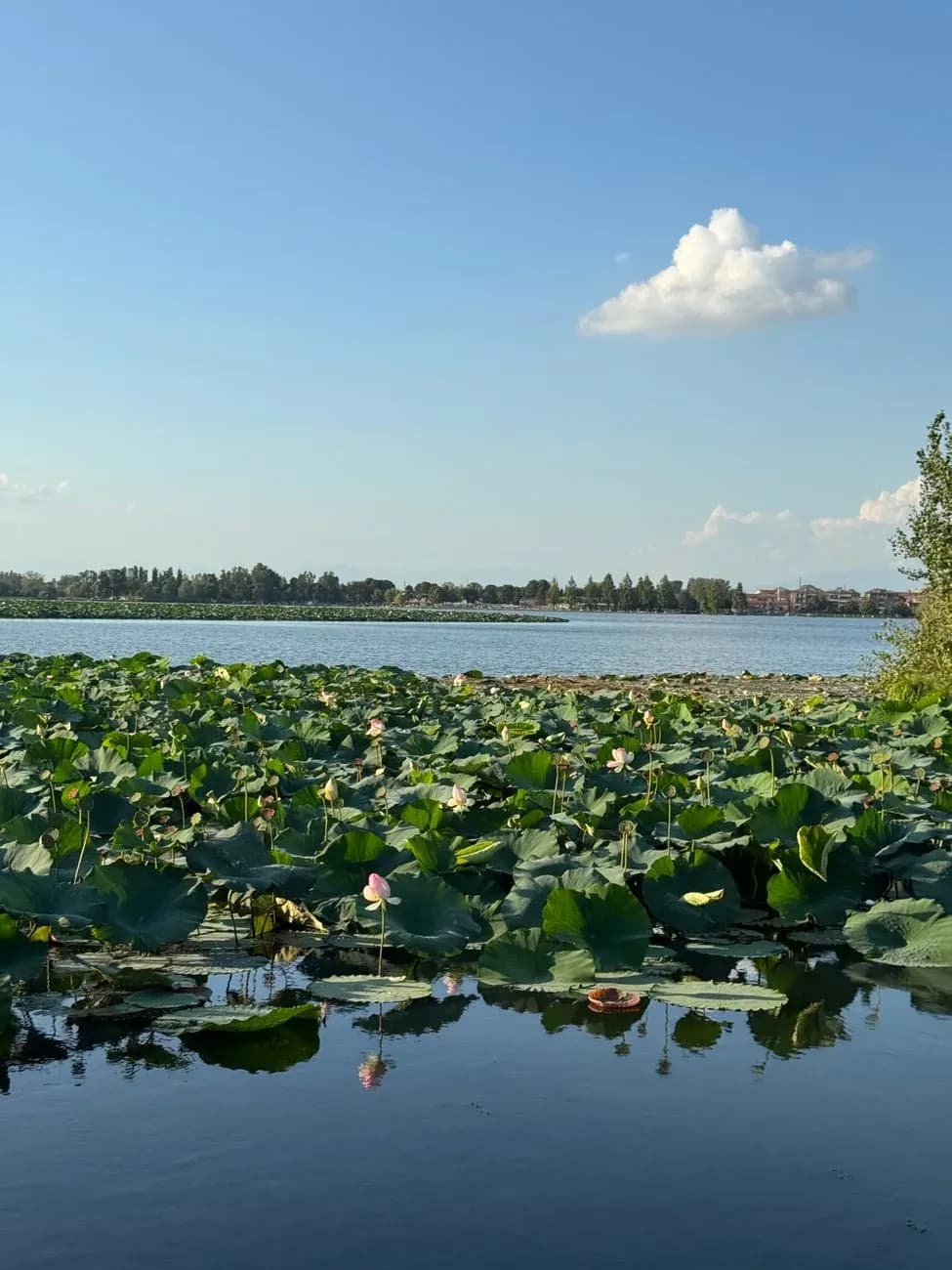
In the early afternoon, head to Via Accademia to visit Teatro Scientifico Bibiena, a Baroque bell-shaped theatre lined with ornate boxes. This is where a 14-year-old Mozart once performed. The visit takes around 30-45 minutes and is best slotted in before mid-afternoon. After the theatre, stroll down towards the Passeggiata dei Laghi di Mantova (Superiore, di Mezzo, Inferiore). These Mincio lakes encircle much of the city. The ideal time to explore the shores on foot or by bicycle is late afternoon, timing your route to reach Ponte di San Giorgio just as the sun begins to set.
Evening
For dinner, make your way back towards the centre near Piazza delle Erbe. Here you will find Ristorante Giallozucca, a modern spot serving revisited traditional local cuisine and dishes showcasing Mantuan pumpkin.
Day 2 — From the Renaissance centre to the southern edge
Morning
Your second day focuses on the architecture of the historic centre before heading down to Mantova's southern quarter. Start in Piazza delle Erbe, the civic and commercial heart of the city. First stop: Torre dell'Orologio e Palazzo della Ragione. This 15th-century tower houses an astronomical clock and a small museum, offering a panoramic climb overlooking the rooftops and lakes. Allow around 45 minutes for the ascent. On the same square stands Rotonda di San Lorenzo, founded in the era of Matilde di Canossa: it is the city's oldest church, a circular building set below current street level. A short walk away, on Piazza Andrea Mantegna, Basilica di Sant'Andrea is well worth a look. Designed by Leon Battista Alberti, it houses Mantegna's tomb and the Holy Vases containing the relic of the Most Precious Blood.
Afternoon
Stop for lunch before heading south. Osteria dell'Oca, right in the historic centre, is an informal spot to try polenta, traditional risottos and torta sbrisolona to finish. Straight after, set off on the 20-25 minute walk down to the tree-lined boulevard at the southern end of the city. On Via Acerbi, step into Casa del Mantegna, the painter's 15th-century residence featuring a distinctive circular courtyard enclosed within a square layout, often used for temporary exhibitions. The visit takes around 30-40 minutes. The final major stop of the weekend is Palazzo Te, on Viale Te. Designed by Giulio Romano, this Renaissance villa boasts the Sala dei Giganti and the Sala di Amore e Psiche. Count on an hour and a half to two hours for a full visit, and be sure to book tickets ahead at weekends.
Evening
To round off your trip before heading home, stop in the Porto Catena area (Via Trieste). Antica Osteria ai Ranari is a rustic, historic tavern dedicated to authentic local tradition: the menu includes risotto alla pilota, bigoli al torchio, braised horsemeat stracotto and fried frogs' legs.
Practical tips for your trip
- Admission to the Camera degli Sposi in the Palazzo Ducale e Castello di San Giorgio runs on timed slots to safeguard the internal microclimate, so book online several days in advance to secure a place.
- If you are spending the entire weekend in the city, consider picking up the Mantova Card. This combined ticket covers admission to Palazzo Te, the Torre dell'Orologio e Palazzo della Ragione, Teatro Scientifico Bibiena and Palazzo Ducale, working out cheaper than individual entry tickets.
- To dodge fines in the historic centre's ZTL, park outside. The Campo Canoa car park offers a free shuttle bus into the centre; Parcheggio Anconetta is another good alternative.
Where to stay
Set on Piazza Sordello within the pedestrian area, just a few minutes' walk from Palazzo Ducale.
View on Booking →A four-star hotel in the historic centre, ideally placed for walking to Piazza delle Erbe and the Rotonda di San Lorenzo.
View on Booking →Located 2 km from the historic centre in Boma, offering ample parking and easy access from the motorway.
View on Booking →