

We arrived on Friday afternoon with one clear logistical goal: to expend as little physical effort as humanly possible. I am not built for climbing, and dragging two children under ten around already burns more than enough calories in endless negotiations. I had read on forums that parking spaces at Spiaggia di Riva Bianca are practically non-existent and all clustered before the hamlet's restricted traffic zone. A clear warning. I ignored it completely, convinced luck was on my side, and drove our estate car straight into Frazione Castello.
The predictable result? Not a single gap in sight, followed by a twenty-metre reverse manoeuvre in a cold sweat between dry-stone walls, while an elderly man leaning on a railing watched me, slowly shaking his head. Meanwhile, Marco, my eldest, was howling from the back seat because a piece of cracker had fallen onto the dirty floor mat. Absolute chaos.
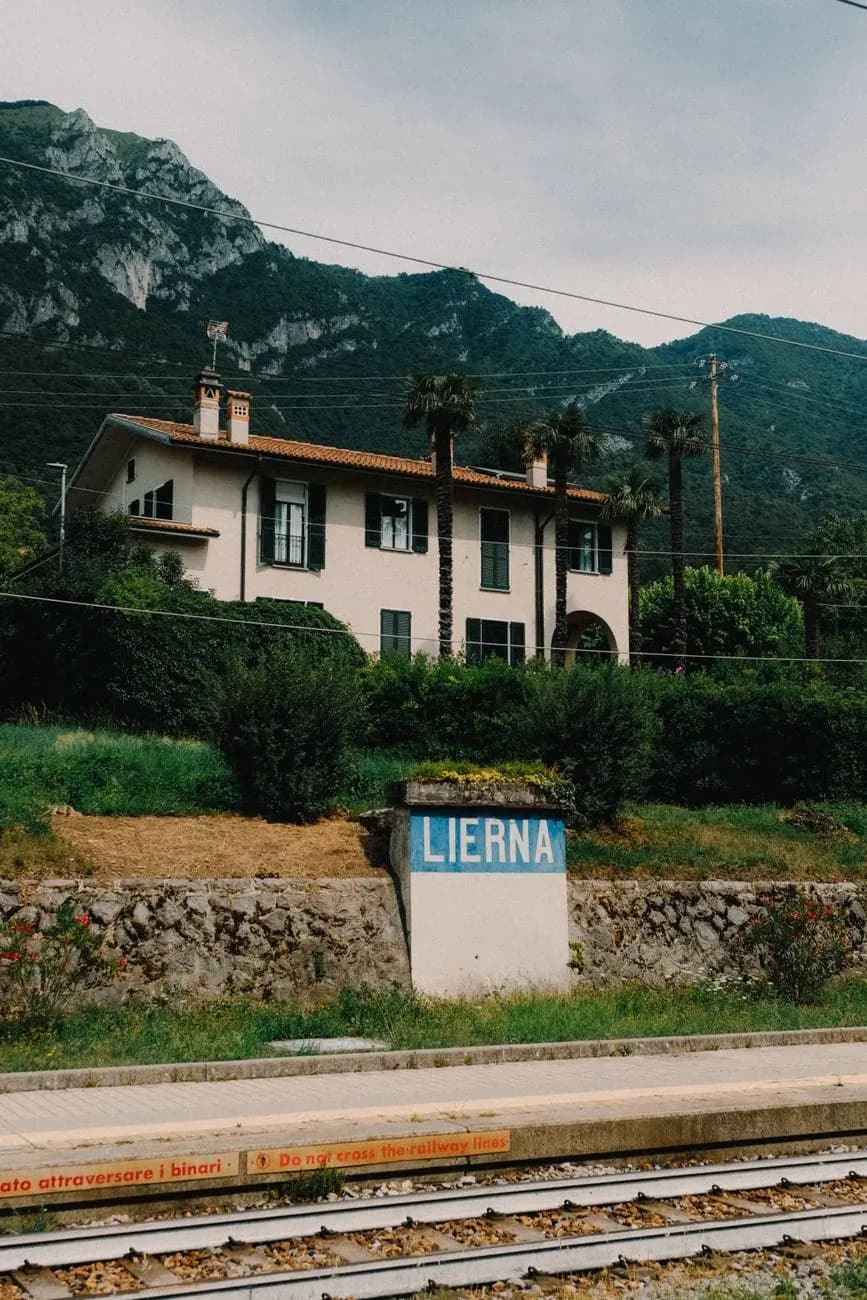
We bowed to the inevitable. I drove the car back and left it in the car park near the railway station. Flat rate on the ticket machine: €1.50 an hour, strictly coins only. Would you believe I had to beg for change from a tobacconist by buying three packets of mint chewing gum that nobody actually wanted? From there, we set off on foot, hauling our wheelie cases towards our accommodation, Riva Bianca Castle Holiday Home, wedged right inside Borgo e Castello di Lierna.
A spot-on choice, it must be said. You are right inside this ancient fortified settlement perched on a tiny peninsula jutting into the water. Step out of the front door and you are straight onto paved medieval alleys so narrow that two people can barely walk side by side. The best bit? Zero uphill walking to reach the water, an absolute godsend for my lazy knees.
We spent our first evening exploring this tiny cluster of houses at a snail's pace. A full look round takes 45–60 minutes. Precisely the grace period before my children start whining that they are starving. Rounding a corner, we stumbled across Chiesa dei Santi Maurizio e Lazzaro, a small, dark Romanesque church built into the castle itself. The kids stared at the faded frescoes on the walls for all of two seconds before dashing back towards the lake. We grabbed a quick, no-nonsense dinner at Riva Bianca Bar Pizzeria. No linen tablecloths here: just an unpretentious spot whose terrace practically sits on the stark white pebbles of the crescent-shaped beach. We munched on hot slices of pizza while the children skipped stones across the clear water, bothering the ducks. The constant rattle of the pebbles rolling back with the undertow was utterly hypnotic.
On Saturday morning, the weather was close. Humid lake air, white skies. My wife had devised a rather militant plan for the day: tackling the Sentiero del Viandante (tappa Lierna - Varenna). The brochures promised a route of around 10 kilometres taking roughly 4 hours. I tried to wriggle out with feeble excuses, but we had breakfast anyway at Sister's Cafè on Via Ducale, bought some artisan focaccia glistening with olive oil for a packed lunch, and set off.
Honestly? Walkers rave about this trail, but for an ordinary, out-of-shape family with very little appetite for suffering, it is sheer torture. The guides do warn of steep rocky scrambles and an elevation gain of over 700 metres. After twenty minutes of unrelenting incline, with Leo constantly slipping on the loose stones in his smooth-soled trainers, we called a halt. I was sweating through my wrists. My chest was wheezing. It simply wasn't worth it. Unless you are a seasoned hiker, persisting up these gradients is just pointless graft that sours everyone's mood. We ate our focaccia sitting on the dirt by the edge of the path and turned straight back round. A strategic retreat.
Back down at water level, we tore up the plan and opted for the regional train on the Lecco-Tirano line. In barely 8–10 minutes on faux-leather seats, we were in Varenna. The train clattered noisily along the narrow tracks, but it spared us the sheer dread of finding a parking space. An absolute lifesaver for a weekend in Lierna or the neighbouring villages.
I had bought tickets on my phone while catching my breath on the trail, which meant we sailed straight into Villa Monastero (Giardino Botanico e Casa Museo), skipping a queue of sweltering tourists at the ticket desk. We shuffled along the 2 kilometres of botanical gardens hugging the water. The former convent's 14 historical rooms smelled faintly of floor wax and shut-in wood. To Marco, they looked like the dusty rooms of a haunted mansion, and he eyed every dark corner with deep suspicion.
From the train window on the way back, we caught a glimpse of Sorgente e Fiume di Fiumelatte. An oddity of a watercourse, measuring just 250 metres in length. As it was late spring, it hadn't dried up, and the frothing, milk-white torrent was tumbling down with real force. My wife suggested hopping off to walk the path, but I pretended not to hear, staring intently at a midge trapped between the double glazing. I had done quite enough walking for one day.
We wrapped up the evening strolling along Passeggiata degli Innamorati. This red walkway, cantilevered out over the rock, links the ferry landing stage to the ancient heart of the village. It gets endlessly photographed and is far too crowded with people posing for their smartphones, but the iron frame skimming the water retains a certain industrial charm. For dinner, we had booked a table at Ristorante La Breva on Via Roma, a local fixture for over fifty years. They seated us in the enclosed glass veranda. I ordered their famous risotto with perch. Firm grains, rich and buttery, topped with golden fish fillets. Leo drifted off with his heavy head slumped against my left shoulder before dessert had even arrived.
On Sunday morning, things slowed down even further. We wandered along Lungolago Giannino Castiglioni, which runs dead straight from the harbour to Riva Bianca. Wide, freshly paved, completely flat. Exactly my sort of walk. Turning towards Frazione Villa, we passed Chiesa Parrocchiale di Sant'Ambrogio, its square Romanesque bell tower rising above the uneven rooftops.
For lunch, we strolled over to Ristorante Il Crotto di Lierna, also in Frazione Castello. You sit under plane trees at this historic spot converted from an old crotto. The open meat grill sends a pungent scent of woodsmoke drifting into your nostrils the second you sit down. I felt adventurous and ordered a plate of missoltino with polenta. A dry, salty burst of smoked, preserved lake fish. The kids took one sniff of my plate, pulled an unmistakable face of disgust, and retreated to two bowls of plain fresh pasta.
On the drive home, we made a quick detour south. Just under ten minutes took us to Mandello del Lario to visit the Museo Storico Moto Guzzi. You enter the Eagle brand's historic factory, greeted by the lingering smell of old rubber and engine oil. More than 160 motorbikes stand lined up under industrial lighting. The wind tunnel is vast and truly fascinating. Marco couldn't resist running his fingers over the cold metal fuel tanks whenever the custodian and I looked away. Exactly one hour of browsing, with no steep climbs and zero sweat, before braving the traffic home. A Lake Como itinerary built entirely on strategic retreats and long, lazy pauses. Far better that way.