
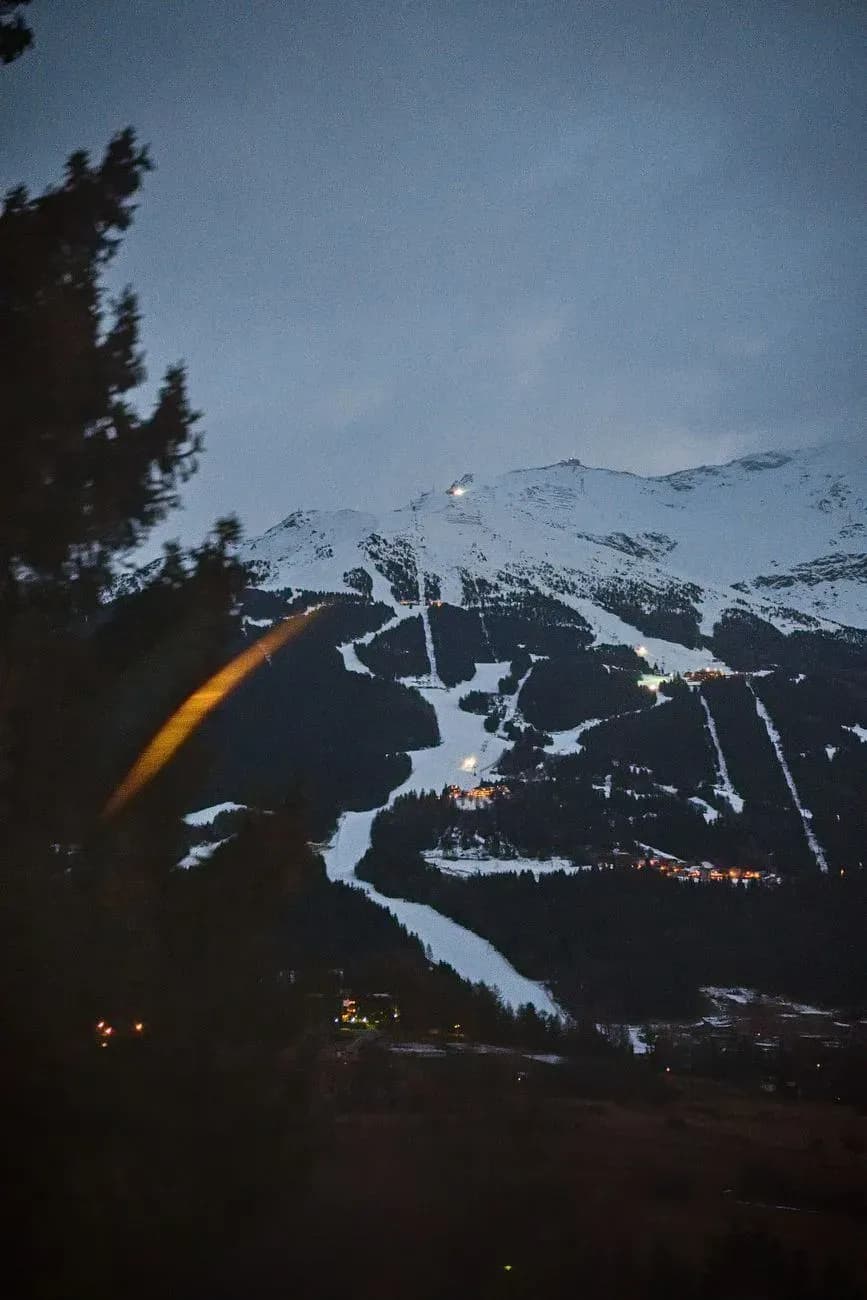
Alta Valtellina changes character with the seasons. From December to April, the area is a prime destination for downhill skiing and snowshoeing, while from mid-June to early October the snow gives way to hiking and mountain bike trails. Mountain pass openings mirror this rhythm: the famous Passo dello Stelvio opens only well into summer and closes in early November. A car remains the most flexible way to travel between these valleys, provided you comply with winter driving regulations, which require snow chains on board or approved winter tyres from October to April on stretches such as Passo del Foscagno.
This route reaches high altitudes and calls for a little logistical planning, especially regarding restricted access areas. In Livigno, for instance, to avoid driving constantly, make use of the free urban shuttle bus linking the ski lifts to the town centre. Between hydroelectric reservoirs, historic mule tracks and stone alpine cottages, the region is ideal for an action-packed weekend, with Livigno and Bormio serving as convenient bases.
How to plan your days
Day 1 — From the lower valley to alpine lakes
Morning
Heading up towards Alta Valtellina, make an initial stop in Campo Tartano to cross the Ponte nel Cielo (Val Tartano). It is a Tibetan-style suspension bridge hanging over 140 metres above the stream below, stretching for 234 metres. Access is permitted from 9:30 to 16:30, with hours extended until sunset on Saturdays. Allow around an hour for the visit. For lunch, continue to Bormio and stop at Ristorante La Rasiga, an alpine eatery housed inside a former sawmill on Via Marconi, renowned for polenta, pizzoccheri, venison and roe deer.
Afternoon
From Bormio, head up towards Valdidentro along the scenic hairpin road starting from Premadio. On the way up, a 20-30-minute stop allows you to take a close look at Torri di Fraele, medieval watchtowers built in 1391 to monitor the historic Via Imperiale di Alemagna. Soon after, you will reach an altitude of 1,900 metres, home to Laghi di Cancano e San Giacomo. Set within Parco Nazionale dello Stelvio, these hydroelectric reservoirs are skirted by an easy, flat dirt track suitable for both walking and mountain biking.
Evening
Back in central Bormio, sit down for dinner at Ristorante Al Filò. Set in the historic centre, the restaurant occupies a restored 17th-century barn and stable featuring heavy stone vaulted ceilings. The menu offers traditional recipes alongside fresh takes on Valtellina classics. Given its popularity, booking ahead is recommended to secure an evening table.
Day 2 — Between Livigno's trails and the thermal baths
Morning
The distance between Bormio and Livigno is around 35-40 kilometres, taking 50-60 minutes along the SS301 via Passo del Foscagno. Once there, you have a choice of activities. You can head up to Carosello 3000 Livigno in the San Rocco area, an alpine hub served by a modern gondola running until the afternoon, giving access at 3,000 metres to routes such as Sentiero della Cresta and descents towards Val Federia. Alternatively, Mottolino Fun Mountain boasts a renowned summer bike park with downhill, freeride and jump tracks. Mottolino tickets and rental packages are available online with special discounts.
Afternoon
For a quick, casual lunch, Latteria di Livigno on Via Pemont serves cold platters, alpine cheese tastings and desserts, which you can enjoy on the sun terrace. Watch the opening hours: it closes at 19:00 and is shut on Tuesdays. In the late afternoon, spend about an hour at MUS! Museo di Livigno e Trepalle in town, an ethnographic museum housed in an authentic 18th-century wood-and-stone dwelling documenting traditional rural customs. On the drive back to Bormio, halfway along the route in Arnoga, you will find Husky Village Arnoga, an outdoor centre in the woods where you can drive a husky-drawn sled on snow, or a wheeled kart in summer; booking in advance is mandatory.
Evening
Wrap up the evening in Valdidentro at the historic QC Terme Bagni Vecchi Bormio, open until 22:00. The complex features millennia-old Roman baths carved directly into the rock and an outdoor thermal pool overlooking the valley basin. You must book your entry time slot well in advance. After the spa, an alternative spot for dinner in Bormio is Osteria Vecchia Combo near Piazza Crocefisso, a rustic family-run restaurant with a summer garden, specialising in crispy sciatt, bresaola and pizzoccheri.
Practical tips for your trip
- Driving up the road to Laghi di Cancano requires a €5 toll ticket. You can pay easily at the automated ticket machines before starting the ascent, or online.
- During the peak summer season, especially in July and August, the circular road around Laghi di Cancano is closed to private traffic. During this period, you get around on foot, by hiring a mountain bike, or by using the internal shuttle buses, which cost between €1 and €2 each way.
- If you are driving a large vehicle, be aware of the restrictions: caravans, motorhomes and vehicles over 3.30 metres high are strictly prohibited on the Val di Fraele climb to the lakes. You will need to leave these at designated camper van sites in Bormio or campsites in Livigno.
- Admission to the Ponte nel Cielo in Campo Tartano costs €8, while under-14s enter free. On weekends and public holidays, booking online is effectively mandatory to secure your spot and avoid traffic jams in the village's limited car parks.
- For two days, excluding accommodation, expect to spend around €130-190 per person. This estimate covers a couple of full meals at traditional eateries (€30-45 each), fixed costs like tolls or e-bike rental (€15-40), and larger outlays for thermal spa entry or day ski/bike passes (€50-70).
Where to stay
Located right next to the thermal park and just minutes from the town centre, handy for exploring the upper valley.
View on Booking →Property on Via Don Evaristo Peccedi, just a short walk from both the historic centre and the ski lifts.
View on Booking →Situated at Via Vanoni 4, allowing you to walk straight to the starting point of Ponte nel Cielo.
View on Booking →