

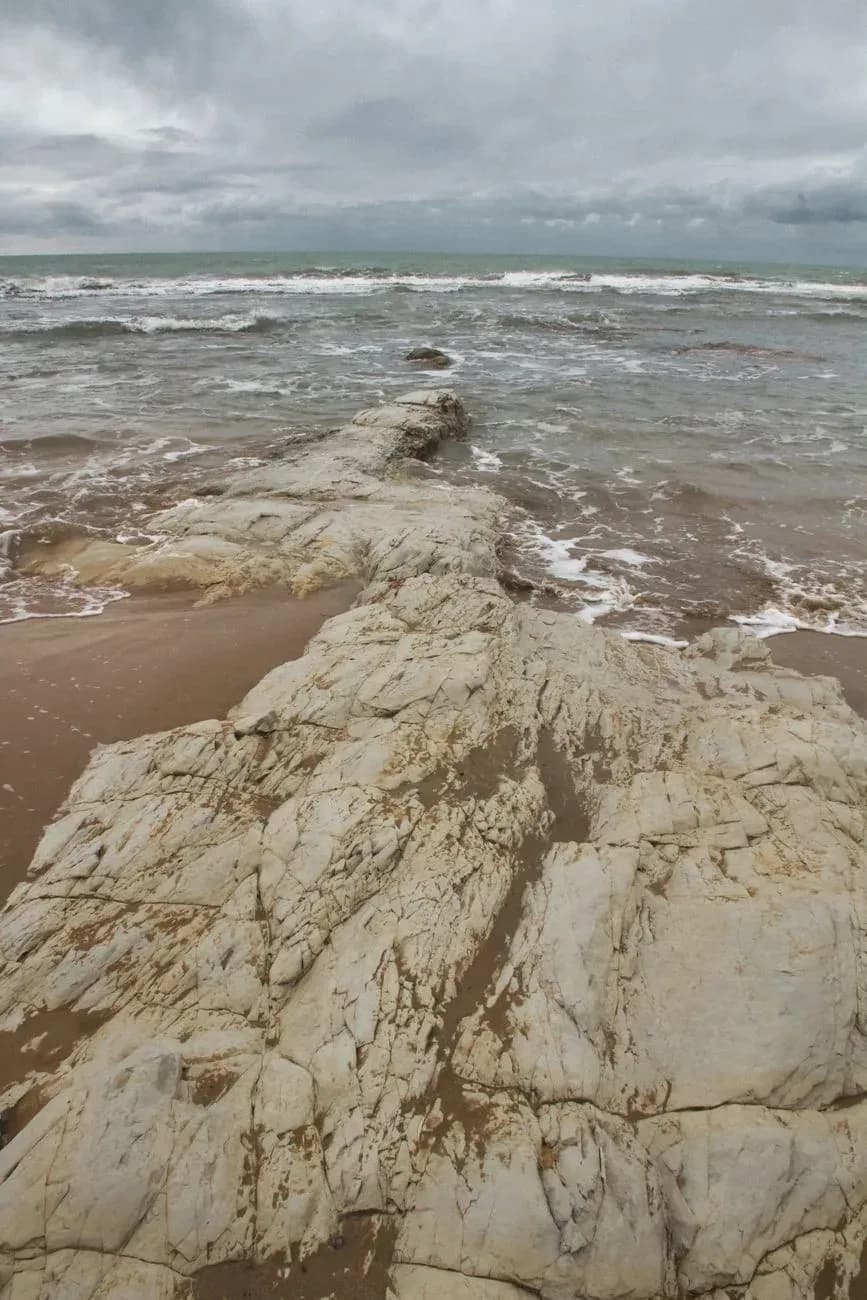
The most convenient base for exploring Sicilia orientale is Catania's Fontanarossa airport. Picking up a hire car here makes travelling between provincial capitals and coastal hamlets straightforward. The A18 motorway and the southern link roads make planning travel times simple: reckon on fifty minutes driving north to Taormina, another fifty minutes south from Catania to Siracusa, and around thirty-five minutes to reach Noto and the nature reserve at Vendicari.
Weather conditions will make or break your days outdoors. In the height of summer, between July and August, intense humidity and heavy crowds can make visiting archaeological sites and getting onto beaches quite a trial. For swimmable seas and bearable temperatures on tarmac and sun-drenched piazzas, it pays to plan your trip during the shoulder seasons, specifically between May and June or between September and October.
This four-day itinerary follows the Ionian coastline. It takes you through local baroque architecture, defined by the striking contrast between dark lava stone and pale limestone blocks, stops off at ancient Greco-Roman sites, and finishes among the stone fishermen's houses of historic tuna processing plants, now transformed into pedestrian areas.
How to plan your route stop by stop
Day 1 — Catania: markets, fortresses and lava stone
Morning
Start your day on foot exploring the historic centre. The main pedestrian artery revolves around Piazza del Duomo e Fontana dell'Elefante, the city's monumental focal point dominated by the lava-stone Liotru elephant. Opening right onto the square is the Cattedrale di Sant'Agata, which is free to enter from 7:45 to 12:30. This baroque cathedral, dedicated to the city's patron saint, holds the tomb of composer Vincenzo Bellini. Just behind the parvis you will find the Mercato della Pescheria, best visited strictly in the morning so you can hear the fishermen's melodic vuciate calls across the counters. For lunch nearby, stop at Scirocco Sicilian Fish Lab in Piazza Alonzo di Benedetto, which specialises in street food and paper cones of freshly fried seafood, boiled octopus and sarde a beccafico.
Afternoon
Spend the first part of the afternoon taking a couple of hours to tour the interior of Castello Ursino. This imposing 13th-century fortress dating back to the Swabian era under Frederick II has survived intact despite devastating historic lava flows. Today, the building houses the collections of the Museo Civico.
Evening
As the light fades, stroll along Via Etnea, the pedestrianised shopping street offering direct views towards the volcano's summit. For dinner, head back into the historic centre to Trattoria da Antonio at via Vittorio Emanuele II 244. The kitchen serves classic local dishes, above all pasta alla Norma, prepared with fried aubergines and topped with salted ricotta.
Day 2 — Taormina: coastal amphitheatres and terraces
Morning
A fifty-minute motorway drive north brings you to Taormina. Since the historic centre is closed to non-resident vehicles, leave the car at either the Lumbi or Porta Catania car parks. Taking the cable car down to Mazzarò brings you to Riserva Naturale Isola Bella, a small islet connected to the coast by a thin strip of sand. Because the beach and seabed are entirely pebbly and rocky, water shoes are a must. Before or after heading down to the sea, pop into Bam Bar at via Roma 2 for breakfast: they make brioche con il tuppo served alongside artisan granita in flavours like fig, pistachio or almond. If you are staying up in town at a historic property like the San Domenico Palace, Taormina, A Four Seasons Hotel, you can easily get everywhere on foot.
Afternoon
The afternoon centres on the Teatro Antico di Taormina. This Greco-Roman site retains its original tiered stone seating, oriented straight towards the coast and Etna. A visit takes between one and two hours in total, and it is best to arrive towards sunset. As this is a very busy tourist site, between April and October you must purchase your admission tickets online in advance.
Evening
Spend the evening wandering along the pedestrianised Corso Umberto e Piazza IX Aprile, celebrated for its panoramic terrace paved in a black-and-white chequerboard pattern. For dinner, head to Osteria da Rita at via Calapitrulli 3, a family-run spot serving a home-style menu. Since you cannot book a table in advance, aim to arrive well before standard dinner times to secure a place.
Day 3 — Siracusa: Neapolis, Ortigia and historic palazzi
Morning
Turn south, and in under an hour on the motorway you will reach Siracusa, starting your visit at Neapolis. The Parco Archeologico della Neapolis contains the Orecchio di Dionisio cave, the Teatro Greco and the Anfiteatro Romano. To beat the midday heat, try to arrive early in the morning, allowing between an hour and a half and two hours to wander among the stone ruins. Next, head down to Ortigia, leaving the car at the staffed Talete or Molo Sant'Antonio car parks to steer clear of the ZTL. For a quick lunch, make your way to via De Benedictis among the market alleys: Caseificio Borderi is famous for its cheese boards and generous filled panini, put together during a lively live demonstration by the cheesemaker.
Afternoon
A forty-five-minute stroll towards the heart of the pedestrianised island brings you to the piazza of the Duomo di Siracusa (Tempio di Atena). This grand baroque cathedral was built by incorporating the original 5th-century BC Greek temple's Doric columns directly into its side walls. Continuing south, you reach the tip of the island and Castello Maniace: a Swabian coastal fortress overlooking the open sea, which takes around sixty minutes to visit.
Evening
A short walk away along the seafront lies Fonte Aretusa, a freshwater spring famed for its wild papyrus plants and an ideal spot at sunset. For dinner, make your way to Ristorante Don Camillo at via della Maestranza 96. Featured in the Michelin Guide and set beneath historic Catalan-style stone vaults, it serves refined gourmet seafood; booking ahead is essential.
Day 4 — Noto and the reserves of the far south
Morning
A thirty-five-minute drive leads into the Riserva Naturale Oasi Faunistica di Vendicari. Admission requires an entrance ticket costing €3.50. This coastal reserve combines the remains of historic Bourbon-era tuna fisheries with expansive saltmarshes, perfect for spotting migrating flamingos. You will also find untouched beaches here like Calamosche. As there are no food outlets or facilities anywhere inside the reserve, make sure you arrive fully equipped with plenty of drinking water and sun cream.
Afternoon
Once your coastal walk is complete, head back into Noto for an afternoon treat at Caffè Sicilia on Corso Vittorio Emanuele 125, the historic pastry shop run by Corrado Assenza and renowned for its cannoli, cassate and Avola almond granita. Right on the main avenue stands Palazzo Ducezio, an 18th-century palace featuring sweeping external porticoes that houses the town hall and the Salone degli Specchi, taking around half an hour to tour. In the warm late-afternoon glow, the opposing facade of the Cattedrale di San Nicolò a Noto truly shines, standing as a pinnacle of local baroque accessed via an imposing flight of steps.
Evening
To conclude your journey, drive to the Borgo marinaro e Tonnara di Marzamemi. This hamlet of old fishermen's cottages and stone courtyards centres around Piazza Regina Margherita. At number 23, take an outdoor table at Taverna La Cialoma, a restaurant serving bluefin tuna steaks and keeping traditional maritime recipes alive.
Practical tips for getting around
- Hiring a car is essential for cutting down on wasted travel time. Once collected from Fontanarossa, motorway connections take around fifty minutes towards Taormina to the north or Siracusa to the south, plus an extra thirty-five minutes to drive down to Noto and Vendicari.
- The historic centres of Ortigia and Taormina are completely closed to outside traffic. In Siracusa, park your car at the lots near the island's entrance, such as Molo Sant'Antonio or Talete. In Taormina, use the large outlying car parks at Porta Catania or Lumbi, which run dedicated shuttle buses, or take the cable car up from Mazzarò.
- During peak tourist season between April and early autumn, you must book tickets for the Teatro Antico and Neapolis online several days in advance, timing your visits for the cooler parts of the day.
- If you plan to swim at Isola Bella, water shoes are indispensable because of the pebbly terrain. Entering the Vendicari reserve, on the other hand, calls for daypacks filled with several litres of water, as there are no cafes or bars within the reserve boundaries.
Recommended places to stay
Historic five-star property located right next to the Teatro Antico, surrounded by extensive, well-kept gardens.
View on Booking →A converted 14th-century former convent turned luxury hotel, featuring panoramic views across the bay and Etna.
View on Booking →Period hotel set along the pedestrian seafront promenade of Viale Mazzini, directly facing the island's harbour.
View on Booking →