
Irpinia follows agricultural rhythms quite distinct from the rest of Italy. The hilly, continental climate means that the Aglianico grape ripens very late in the year: the vendemmia in Taurasi takes place between mid-October and early November. During this period, the alleyways of the town centre and the surrounding rural contrade come alive with the frantic activity of harvesting and grape pressing. Visiting during this autumn window allows you to see first-hand the transformation of must into a structured, tannic wine that by regulation requires at least three years of ageing, including one year in wood.
Enjoying enoturismo here is not simply about tastings at the counter. The roots of local viticulture literally delve into stone and the Copper Age, amid five-thousand-year-old archaeological finds, rural tunnels hewn out of solid rock, and ungrafted vines that survived phylloxera. Historic cellars and tasting rooms inside medieval manors showcase the meticulous craft required to produce what is often called the Barolo of the South.
Organising your trip requires some planning. Most wineries are family-run, artisanal businesses that do not operate on a drop-in basis: doors open by appointment only. While evenings in September and November often bring events in the piazza for Enoteca all'Aperto, daytime exploration moves along scenic provincial roads, navigating the winding bends needed to reach the most ancient vineyards.
How to plan your days between the historic village and the contrade
Day 1 — From the Copper Age to the castle courtyards
Morning
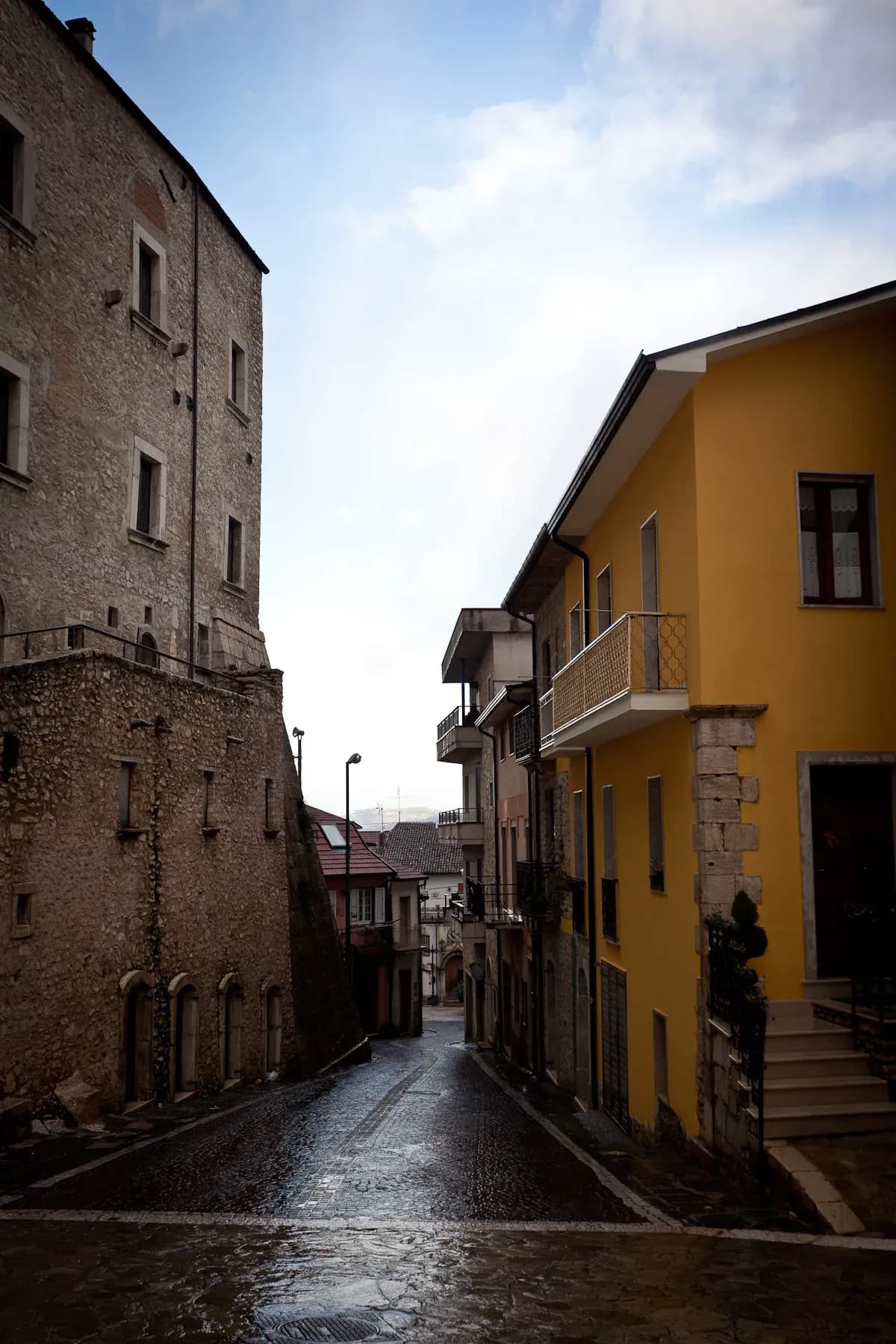
The Norman historic centre is subject to a ZTL and is made up of narrow lanes. It is best to leave your car in the parking areas near Viale San Marciano or close to the Villa Comunale, then walk through Porta Maggiore into Largo Duomo. From here, a stroll leads to the Chiesa Parrocchiale di San Marciano, a church dedicated to the local patron saint featuring wooden altars and sacred canvases. Before delving into wine, a stop at the Museo Archeologico di Taurasi (MAT) on Via San Marciano puts the area's heritage into context: the exhibition brings together Copper Age pottery and cinerary urns uncovered during excavations in contrada San Martino. Towards midday, pause at Sella Bistrot on Via Municipio, which serves typical Irpinia dishes, selected cuts of meat and local glasses of wine.
Afternoon
After lunch, make your way to the Castello Marchionale di Taurasi, also on Largo Duomo. This medieval and Renaissance stronghold is linked to the figure of Carlo Gesualdo. Guided tours must be booked in advance; at weekends they run in set slots, with the 16:00 tour being a good choice, lasting around an hour. On the second floor sits the Enoteca Regionale per i Vini dell'Irpinia, the official reference point for discovering the three local DOCG appellations. Once the tour is over, walk through the ancient Porta Sant'Angelo, set into Palazzo Maffei, to reach the Belvedere della Valle del Calore: sunset casts a warm, low light across the vineyard-clad hills and the river below.
Evening
For dinner, remain within the old town. A few steps from the castle, still on Via Municipio, is Enosteria Tagè. It is an intimate spot with around twenty covers, focusing on contemporary twists on traditional Irpinia recipes. Given the limited capacity, be sure to book a table well in advance.
Day 2 — Century-old vines, rock cellars and farming traditions
Morning
The second day takes you outside the town walls, along the provincial roads that cut across the rural contrade. A car is essential for these trips. Head towards Contrada Acqua dei Salici to visit Cantine Addimanda, an estate dedicated to preserving century-old, ungrafted vines. Here, visits to the vineyards and barrel room must be arranged a few days ahead. For Sunday lunch, drive to Strada Vicinale Piano d'Angelo and pull up a chair at Agriturismo Il Rifugio del Barone. Surrounded by open countryside, this rustic agriturismo focuses on homemade cured meats and fresh pasta.
Afternoon
In the early afternoon, head to Contrada Sala to visit Cantine Antonio Caggiano. Here, too, booking ahead is mandatory. The estate stands out for its ageing rooms carved directly into the rock and supported by stone vaults, forming underground corridors flanked by barriques and a collection of vintage farming tools. Heading back towards town, if you want to understand grape pressing and must maturation in greater depth, Cantina Sella delle Spine organises educational tours on the grape cycle, also by advance appointment only.
Evening
Spend the final evening on Via Fontanelle at Antica Hirpinia - Cucina in Cantina. The estate's restaurant is set inside a historic winemaking cooperative. The menu revolves around hearty, traditional meat-led dishes, such as fusilli taurasini and slow-cooked suckling pig.
Practical tips for exploring the wineries
- If you want to witness grape pressing and the liveliest stage of the Aglianico cycle, plan your trip between mid-October and early November, the typical harvest window in Taurasi.
- Taurasi DOCG demands patience: regulations require at least 85% Aglianico grapes and a compulsory total ageing of three years, of which at least twelve months must be spent in wooden barrels.
- You will need a car to travel between the village centre and the wineries out in the contrade. From the A16 motorway exit at Avellino Est or Grottaminarda, it is a 20-30 minute drive along winding provincial roads.
- Guided tastings and visits to barrel cellars do not operate on an open-door basis. You need to call individual wineries 24 to 48 hours in advance to secure a spot, particularly on autumn weekends.
- Traffic inside the medieval village is restricted. To avoid awkward manoeuvres in the narrow streets, the best plan is to park near Viale San Marciano or the Villa Comunale and walk in through Porta Maggiore.
Where to stay in Taurasi
Located right inside the village centre, ideal if you prefer exploring the narrow streets on foot in the evening.
View on Booking →Set a short walk from the Villa Comunale, offering quick access to the entrances of the Norman village.
View on Booking →A convenient base both for reaching Largo Duomo and for joining the provincial roads out to local wineries.
View on Booking →