

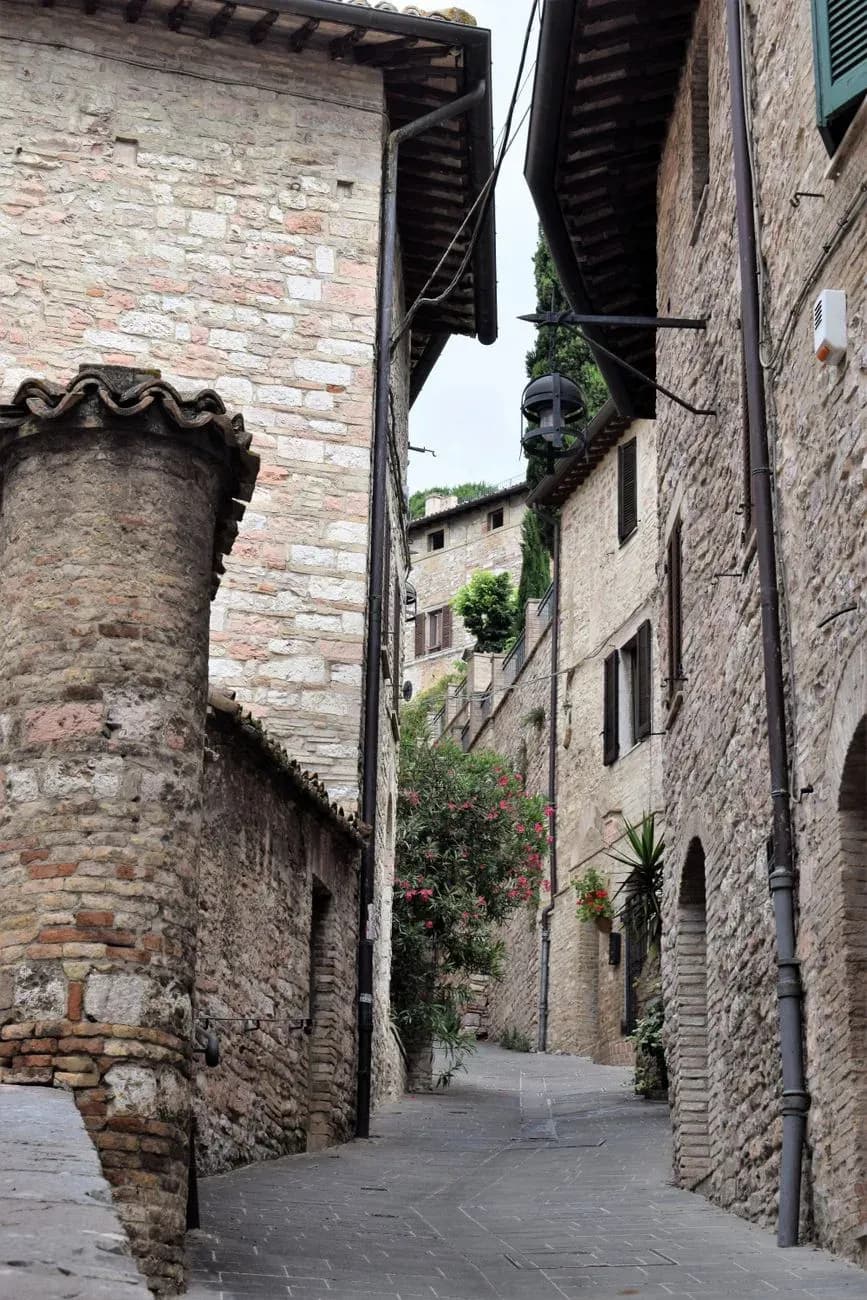
A car or camper van is the ideal way to link walled towns and hilltop hamlets during a weekend in Umbria. This circular route taking in the Perugia area, Valnerina and Orvieto mostly follows the Strada Statale 75 and the E45. Driving stints remain short, averaging between 25 and 45 minutes from one stop to the next. The best period for mild walking temperatures and lush greenery runs from April to the end of June, or alternatively across September and October.
Planning your travel times is crucial to avoid getting stuck in the smaller historic centres or queuing at ticket offices. Many of the squares and architectural sights along the route have specific opening times, particularly when visiting religious complexes or nature parks subject to controlled water releases from reservoirs. For overnight stays, basing yourself outside the major urban centres, such as at Borgobrufa SPA Resort or Borgo dei Conti Resort Relais & Chateaux, lets you set off in the morning without hitting commuter traffic.
How to plan your days on the ground
Day 1 — The Subasio stone and basilicas
Morning
Set off in Assisi, directly in Piazza San Francesco, right outside the Basilica di San Francesco d'Assisi. Entry to the complex, renowned for frescoes by Giotto and Cimabue, is free for individual visitors without a guide. Opening times range between 6:00 and 8:30 depending on the specific basilica areas inside. A visit generally takes an hour to an hour and a half, bearing in mind that on Sunday mornings tourist visits are suspended during religious services. Heading down to Santa Maria degli Angeli, step inside the Basilica di Santa Maria degli Angeli e Porziuncola. The sanctuary is open daily and houses the tiny chapel of the Porziuncola in the centre of the nave, alongside the adjacent rose garden. For lunch, head back up to Piazza Vescovado in Assisi to grab a table at Locanda del Cardinale: the restaurant serves traditional dishes and truffles in dining rooms built directly over the visible mosaic-paved remains of an ancient Roman domus.
Afternoon
Around a twenty-minute drive brings you to Spello. The Centro Storico e Vicoli Fioriti di Spello takes up the afternoon with a leisurely two- to three-hour walk. Built entirely from limestone on the slopes of Monte Subasio, the village is renowned for the floral displays decorating its narrow alleyways, the Torri di Properzio and the gateway of Porta Venere. The continuous uphill climbs call for a measured pace as you make your way through the different neighbourhoods.
Evening
Head into Perugia for dinner. In the Via della Viola district, you will find Civico 25, a bustling trattoria and wine bar known for its Cannara onion soups, lamb ragù and hand-carved charcuterie boards. Alternatively, over on Via dei Priori, Osteria A Priori centres its menu entirely on local ingredients and regional food presidia, preparing fagiolina del Trasimeno and locally sourced meats. A short distance from the centre lies Ristorante Stella, a historic trattoria awarded by Gambero Rosso for its hand-rolled pasta.
Day 2 — Canals, springs and Romanesque churches
Morning
Aim to arrive at the Borgo di Rasiglia, in the Valle del Menotre near Foligno, in the first part of the morning. The village is a cluster of canals, small waterfalls and watermills built around the Capovena spring. Exploring it on foot takes no more than two hours. Continuing down to Campello sul Clitunno, the Fonti del Clitunno offer a natural park around a spring-fed pool populated by swans, making for a pleasant breather. A few kilometres away, in the hamlet of Pissignano, stands the Tempietto sul Clitunno. This early-medieval Lombard building, protected by UNESCO, overlooks the ancient route of the Via Flaminia. Public opening hours vary depending on the month, and it remains closed on Mondays and Tuesdays.
Afternoon
The afternoon is devoted to Bevagna. The Piazza Silvestri e borgo medievale brings together the Romanesque churches of San Michele Arcangelo and San Silvestro in an asymmetrical layout, set opposite the striking Palazzo dei Consoli. The surrounding urban fabric is completely flat, making the stroll among the historic craft workshops far less tiring than the inclines of the day before.
Evening
Head south for the evening. Once in Spoleto, close to the railway station, sit down for dinner at Ristorante Novecento (9cento). The menu features classic Umbrian dishes, serving freshly made strangozzi and pecorino flans in a lively setting.
Day 3 — Waterfalls and tufa crypts
Morning
Your first stop lies along the Strada Regionale 209 Valnerina, near Terni, for the Cascata delle Marmore. The site features an artificially regulated waterfall cascading down several tiers, criss-crossed by six different footpaths. It is essential to check the sluice gate opening times beforehand, as they change between morning and afternoon depending on the day. Buying your ticket online before arriving is vital to secure entry without queuing.
Afternoon
The final stretch takes you up onto the tufa rock of Orvieto, straight into Piazza del Duomo. The Duomo di Orvieto e Cappella di San Brizio features a Gothic facade decorated with mosaics and the celebrated frescoes of Luca Signorelli. Weekday admission runs from 9:30 to either 18:00 or 19:00 depending on the season, whereas on Sundays and public holidays entry is restricted to afternoon hours. Tours for Orvieto Underground depart from the very same square, leading through an intricate subterranean network of olive presses and dovecotes carved into the tufa, accessible only by guided tour with an advance booking. Next, heading down towards Piazza Cahen, you reach the Pozzo di San Patrizio. Descending and climbing its 248 steps via the double-helix ramp takes between 40 and 60 minutes. Book online to scan through the turnstiles without waiting.
Evening
With no dinner scheduled, the late afternoon in Orvieto marks the practical close of the itinerary. Pick up your vehicle from the car parks beside the well before heading to the motorways for your journey home, allowing time for the toll booth down in the valley.
Practical tips to make the most of your time
- When visiting Cascata delle Marmore, aim to arrive at least 20-30 minutes before the sluice gates open. Bring hiking shoes and a waterproof jacket to tackle the trails, which are perpetually damp from the spray.
- There is no parking inside Rasiglia. Due to heavy spring crowds, arrive before 9:30 or towards dusk. Leave your vehicle only in the designated spaces at the former sports ground by the village entrance to avoid blocking traffic on the main road.
- If your Orvieto plans include the Duomo, the underground tunnels and the Pozzo di San Patrizio, pick up the Carta Unica di Orvieto. This combined pass cuts overall costs compared to single tickets and lets you bypass ticket counter queues.
- If you are touring in a camper van near Marmore, there is a 24-hour camper stop at the Belvedere Inferiore, on Piazzale Fatati, costing €20. You can also stay overnight for free at Parco dei Campacci near the Belvedere Superiore, though pitches fill quickly over bank holiday weekends.
Where to stay for easy travel
Adults-only resort surrounded by vineyards, featuring an expansive panoramic spa area.
View on Booking →Historic fortified noble estate in the Valle del Nestore, complete with private parkland and a large spa.
View on Booking →Property on the Alfina plateau near Orvieto, offering a heated pool and dedicated relaxation spaces.
View on Booking →