

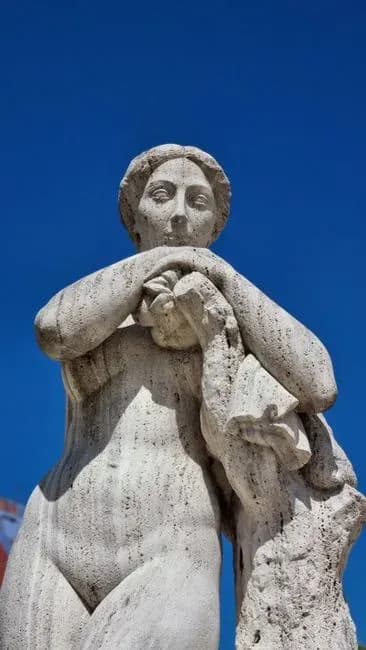
L'Aquila shares the deep, steady breath of the Appennino. It is not a place to rush through, but one that rewards time spent walking across pale cobblestones and gazing at the mountains framing the horizon. The ideal window for this trip runs from May to October, when high-altitude paths are free from snow and the heat remains comfortable.
The historic centre reads like an open book, amidst ongoing restoration and masterpieces returned to the city, such as the Basilica di San Bernardino or the chequered facade of Collemaggio. Beyond the ramparts of the Forte Spagnolo, the scale shifts dramatically: you venture into national parks, out towards the pastures of Campo Imperatore and quiet mountain lakes.
You will need a car for this itinerary. While the city centre is easily explored on foot, reaching the mountain villages or the high plateau means clocking up kilometres along winding roads. Even in the height of summer, above 1,400 metres the air has a bite: the winds off the Gran Sasso are unforgiving, and a windproof jacket in your daypack makes all the difference between soaking up the sunset and beating a hasty retreat.
How to spend 4 days in L'Aquila
Day 1 — The breath of the centre
Morning
Start your day at the Fontana Luminosa, the monumental gateway to the pedestrian promenade along Corso Vittorio Emanuele. From here, views stretch straight towards the mountain basin. Walking down the main street, you reach the civic heart of L'Aquila: Piazza Duomo. The city market brings this open space to life, overlooked by the distinctive concave facade of the Chiesa di Santa Maria del Suffragio. For lunch, stop at Osteria da Giorgione, just steps from the square (Centro Storico area): the cooking centres on inland Abruzzo classics, rich in saffron, truffles and guanciale.
Afternoon
Dedicate the afternoon to the undisputed symbol of the city. The Basilica di Santa Maria di Collemaggio sits just a few hundred metres from the centre. Its white-and-pink chequered facade conceals a solemn interior, home to the world's first Holy Door established by Pope Celestine V. Allow 45 to 60 minutes here. Heading back towards the old quarter, climb the dramatic flight of steps leading to the Basilica di San Bernardino, an imposing Renaissance masterpiece housing the mausoleum of the Sienese saint (allow around 45 minutes here as well).
Evening
For dinner, head back into the alleys of the Centro Storico and take a table at Trattoria Da Lincosta. The setting is unpretentious, true to its historic trattoria roots, with a menu focused on tradition: meat dishes, regional pasta, and classic agnello a scottadito. After dinner, the area between Corso Vittorio Emanuele and the Fontana Luminosa offers plenty of spots for an evening drink.
Day 2 — Water and white stone
Morning
Head towards the Parco del Castello area to admire the Forte Spagnolo. This imposing Renaissance fortress is encircled by a large public park offering prime views of the Gran Sasso massif. Walking the perimeter along the bastions and through the park takes around an hour. From there, make your way down to Borgo Rivera, the oldest quarter of the city.
Afternoon
Borgo Rivera is home to two essential stops. Start at the Fontana delle 99 Cannelle, a 13th-century monument of white and pink stone closely tied to the legend of the 99 castles said to have founded the city (allow 30 to 45 minutes to inspect the carved spouts). Just a stone's throw away stands the MuNDA - Museo Nazionale d'Abruzzo. The visit, which takes a good hour and a half, guides you through medieval sacred art and the region's core archaeology.
Evening
Stay close to the Villa Comunale for dinner at Osteria La Grotta di Aligi. It is an intimate spot with accessible prices and generous portions of traditional inland dishes. If you prefer something more refined, head to Lo Scalco dell'Aquila in the Centro Storico, which serves contemporary interpretations of local ingredients.
Day 3 — Underground and high altitude
Morning
Get in the car and drive for about 45 to 50 minutes up to the Altopiano di Campo Imperatore. At over 1,500 metres above sea level, the scenery changes completely: this is Abruzzo's "Little Tibet". Trails towards Corno Grande start here, but even without tackling a demanding hike, you can wander across the boundless plateau. Pack a windproof jacket, as the breeze is sharp up here.
Afternoon
Drive down into the valley towards the San Demetrio ne' Vestini area. Lago di Sinizzo makes a lovely stop: the spring-fed water is crystal clear, and the shores are shaded by willows and oaks. Next, head over to the Grotte di Stiffe. The 600-metre guided route follows an underground river complete with an active year-round waterfall. The tour takes an hour. Remember to wrap up warm, as the caves remain a constant 10°C with high humidity, and wear sturdy shoes with good grip.
Evening
Head back into town for dinner, or consider staying overnight in one of the neighbouring villages. If you are travelling by camper van, L'Aquila has very convenient free parking areas, such as the one on Via XXIV Maggio, just 800 metres from the centre.
Day 4 — Lentils, towers and lakes
Morning
The morning is all about villages and castles. Head to Santo Stefano di Sessanio in the Parco Nazionale del Gran Sasso. The village is a maze of vaulted stone lanes and craft workshops, renowned for its local lentils. From here, if you have proper footwear and feel like walking, you can take a circular hiking trail (around 7.5 km, 2 hours 15 minutes) up to Rocca Calascio, the famous medieval fortress at 1,460 metres with 360-degree views of Gran Sasso (you can also walk up from the village of Calascio for a shorter route).
Afternoon
Get back in the car and allow 50 minutes to reach the Campotosto area. Lago di Campotosto, set at 1,313 metres above sea level, is the largest mountain lake in the region. You can enjoy an easy, flat walk along the shoreline or take short paths up the surrounding slopes before setting off for home.
Evening
Wrap up your trip unwinding by the lake, or return to town for a final plate of pasta before your departure.
Practical tips for the weekend
- Getting around: the centre of L'Aquila is best explored on foot, but you will need a car to reach Campo Imperatore, Campotosto or Rocca Calascio (all 40 to 50 minutes away).
- Inside the Grotte di Stiffe, temperatures drop to 10°C with high humidity and wet ground. Wear closed-toe shoes with good grip and layered clothing, and book tickets online before the weekend to secure your slot.
- For camper van travellers, the city offers strategic free parking: the Via XXIV Maggio area by Porta Napoli is less than a kilometre from Piazza Duomo, and there is another serviced area on Via Domenico d'Ascanio.
- The hike between Santo Stefano di Sessanio and Rocca Calascio is a 7.5 km circular trail (just over 2 hours of walking) over moderate terrain. Do not attempt it without hiking boots or trail shoes with good tread.
- The best seasons for this trip run from May to October, once the snow has cleared from higher elevations. In summer, you will still need warm layers: above 1,400 metres, and in the villages come evening, temperatures drop noticeably.
Where to stay to explore the area
A four-star hotel set in an 18th-century building on Via Simonetto, very convenient for exploring on foot.
View on Booking →Easy to reach by car thanks to its private car park, situated just a short walk from the historic core.
View on Booking →Stay in the village's historic stone houses, a pioneering model of an albergo diffuso and heritage residence.
View on Booking →