

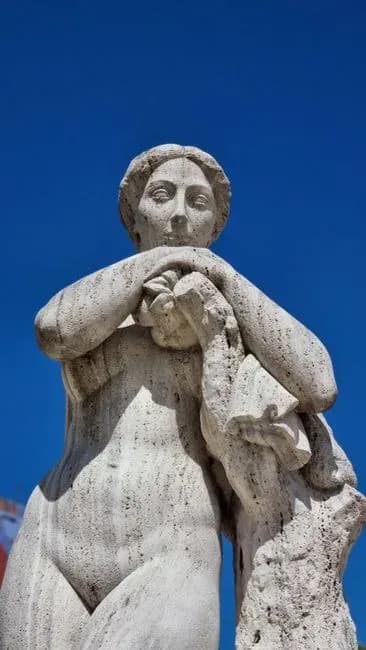
Inland Abruzzo holds historic centres that require time and sturdy shoes to explore properly. Choosing to spend a weekend in L'Aquila, perhaps staying at Hotel L'Aquila for a central base, means spending time at an altitude of over seven hundred metres, strolling between restored noble palazzi and expansive piazzas.
The best time to visit runs from late spring, through May and June, until early autumn in September or October. During these months, clear days let you make the most of nature outings towards the Gran Sasso massif. The final week of August deserves a special mention, as it coincides with the historic Perdonanza Celestiniana, a major draw for the entire region.
Getting around easily is straightforward: the historic centre is fairly compact and best explored on foot. By contrast, having your own vehicle is essential for the mountain stops planned in the surrounding area, given the limited public transport links into the Apennine regions.
How to plan your three days
Day 1 — The historic centre and noble palazzi
Morning
To avoid the access gates of the limited traffic zone (ZTL), it is best to leave your car in the large underground car park at Terminal Bus 'Lorenzo Natali' in Collemaggio, where travelators and lifts take you up into the centre. The first stop is Piazza Duomo, the city's lively hub, dominated by the imposing Cattedrale dei Santi Massimo e Giorgio and two historic twin fountains. From here, make your way towards Piazza del Palazzo to find Palazzo Margherita, the historic seat of municipal power reopened after meticulous post-earthquake restoration, with a statue of Sallust overlooking the square. A short walk away in Piazza Regina Margherita stands Palazzo Lucentini Bonanni, a 1588 noble residence featuring an arcaded loggia and recently rediscovered 16th-century wooden coffered ceilings. For lunch, head to Via Del Guastatore and Osteria da Giorgione, an intimate spot specialising in Abruzzese flavours, with menus centred on truffles, Aquila saffron, and local meats.
Afternoon
The afternoon is dedicated to the Basilica di San Bernardino, which takes around forty-five minutes to explore. This Renaissance church is preceded by a monumental flight of steps and houses the majestic marble mausoleum dedicated to San Bernardino da Siena. Stepping outside and heading towards Parco del Castello, you will come across the Forte Spagnolo, or Castello Cinquecentesco. This impressive square fortress, defended by massive corner bastions, dominates the city park and serves as the exhibition venue for the famous fossilised mammoth skeleton discovered in the Aquila basin.
Evening
Before dinner, head to Piazza Battaglione degli Alpini to see the Fontana Luminosa, a bronze sculpture created by Nicola D'Antino. This fountain marks the entrance to the centre and frames views towards the Gran Sasso; dusk is the best time to stop by, just as the evening illumination begins. Dine at Ristorante Lo Scalco dell'Aquila, also in the historic centre, a great choice if you are after a refined dinner built around select cuts of meat and creative twists on traditional Abruzzese cuisine.
Day 2 — Borgo Rivera and Romanesque art
Morning
Day two starts in the historic district of Borgo Rivera, in the lower part of the city. Here you will find the Fontana delle 99 Cannelle, a medieval civic monument dating back to 1272. To admire the stone mascarons, each one distinct from the next, it is best to arrive early in the morning; a visit takes between thirty and forty-five minutes. Right opposite the fountain, in the former slaughterhouse buildings, sits MuNDA - Museo Nazionale d'Abruzzo, the region's premier museum venue. It is open from Tuesday to Sunday, 08:30 to 19:30, and a seven-euro entry ticket lets you complete the visit in about an hour and a half. Around lunchtime, head towards Villa Comunale to eat at Osteria La Grotta di Aligi, a rustic trattoria known for generous, affordable portions of pasta alla chitarra and lamb.
Afternoon
Returning to the Quarto di Santa Maria, step inside the Chiesa di San Silvestro, an ancient 14th-century church closely linked to the Visitation altarpiece painted for the Branconio Chapel. Its frescoed interior takes about half an hour to see. From there, head over to the Collemaggio area to visit the Basilica di Santa Maria di Collemaggio, a Romanesque-Gothic masterpiece famous for its pink-and-white chequered facade, Holy Door, and the tomb of Pope Celestine V. Entry is free, and strolling down the naves takes around an hour. Right beside the church lies Parco del Sole, an expansive green haven where you can walk past the open-air Amphisculpture amphitheatre, designed by artist Beverly Pepper.
Evening
For your final evening in town, linger in the city centre along Via San Bernardino. Dinner is at Ristorante Connubio, set inside Palazzo Fibbioni. This contemporary restaurant serves signature dishes spotlighting regional produce, with highlights including Montepulciano fettuccine paired with Campotosto guanciale.
Day 3 — Karst caves and high-altitude lakes
Morning
On day three you will need a car or camper van to explore the surrounding area, as public transport up into the mountains is limited. About twenty kilometres from L'Aquila, in San Demetrio ne' Vestini, you can tour the Grotte di Stiffe. This is an active karst resurgence featuring a subterranean canyon with rapids and waterfalls. Booking online in advance is strongly recommended, and you should arrive at the ticket office twenty minutes before your allocated slot. The guided tour lasts an hour in a constant temperature of ten degrees, so layers and shoes with good grip are a must.
Afternoon
Back in the car, head north towards Lago di Campotosto, set at an altitude of thirteen hundred metres roughly forty kilometres from the city. One of the largest artificial reservoirs in Europe, it easily warrants at least half a day. The area offers panoramic mountain vistas throughout and is a firm favourite with hikers and camper vanners. Wide day-to-night temperature swings at this altitude mean you should always keep a jacket handy.
Evening
Back in L'Aquila, wrap up your trip with dinner on Via Antonelli at Ristorante Da Lincosta. Open since the 20th century, this historic trattoria serves reworked traditional Aquila dishes based on carefully sourced local ingredients in a welcoming setting.
Practical planning tips
- To reach the pedestrianised historic centre without entering the ZTL, the most convenient place to park is the vast underground car park at Terminal Bus 'Lorenzo Natali' in Collemaggio, linked directly to the centre by travelators and lifts.
- The altitude of the city and the thirteen hundred metres of Campotosto mean wide day-to-night temperature swings; dressing in layers and wearing walking shoes with good grip is essential throughout, both for the caves and the cobbled streets.
- Entry to the Grotte di Stiffe should be booked online via the official website to secure your date and time slot and avoid disappointment; arrive at the ticket desk twenty minutes before your tour begins.
- Average costs per person for a three-day weekend run around €110-160, excluding accommodation. You can expect to pay €25 to €35 for a meal in an osteria and €4 to €14 for museum admissions, making it exceptional value for money.
Where to stay in the city
A modern design hotel situated just outside the historic centre, right by Fontana Luminosa and outside the ZTL.
View on Booking →A 4-star hotel set within a restored 18th-century building on Via Del Guastatore.
View on Booking →A welcoming hotel in the Borgo Rivera district, just moments from the famous fountain and MuNDA.
View on Booking →