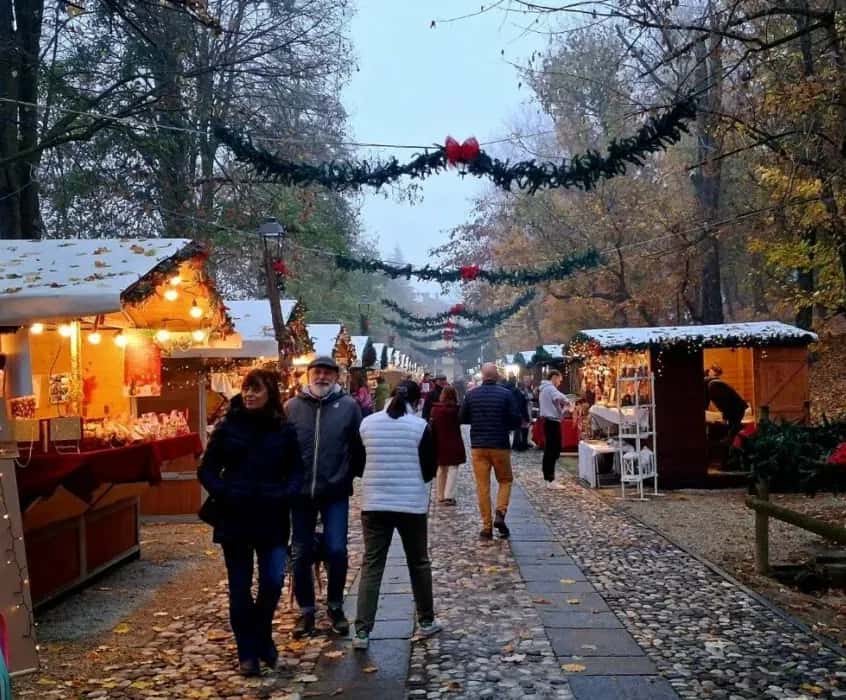

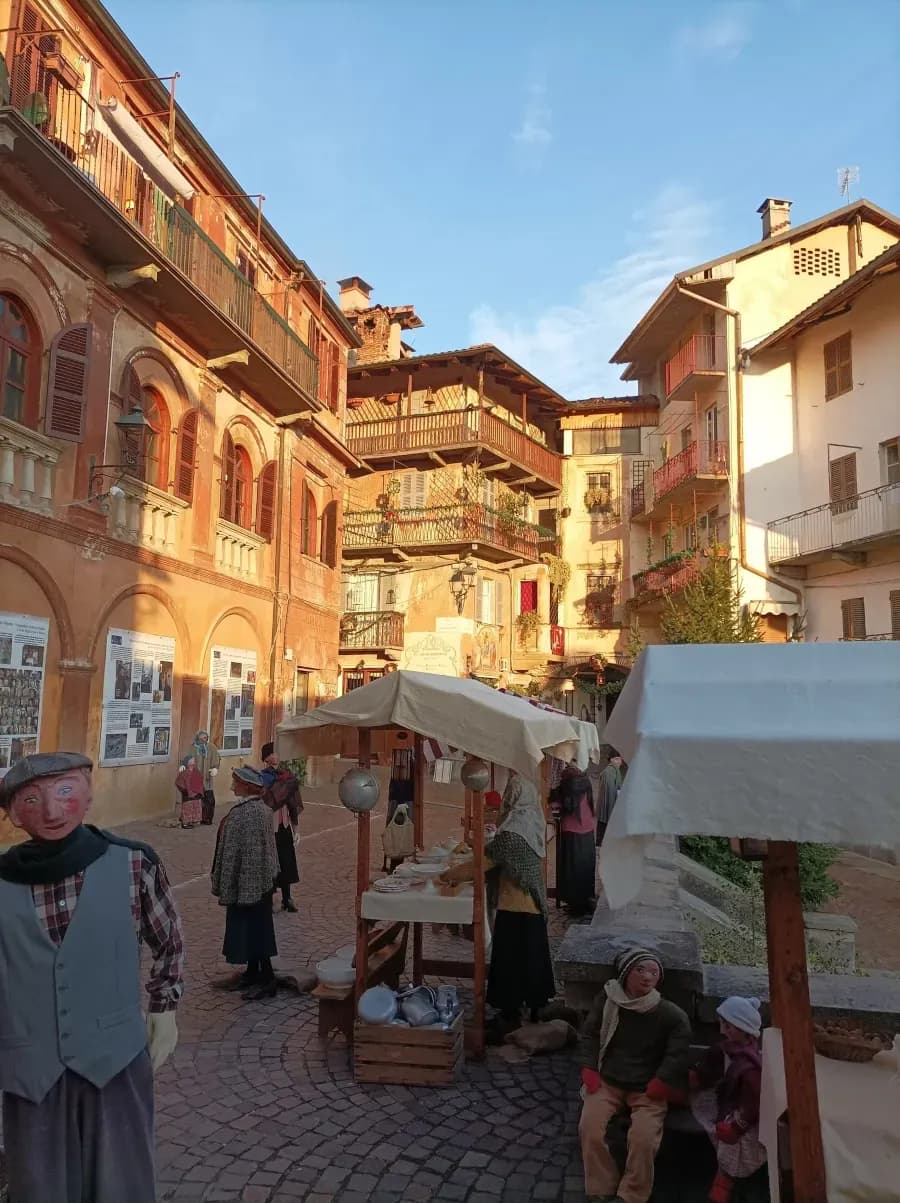
Usually running from late November until after Epifania, the centre of Mosso stops being a mere road junction in Valdilana and turns into a genuine open-air ethnographic museum. The main reason to head up here at this time of year revolves around the presepi, but on a scale far removed from your usual domestic display. The streets welcome over a hundred and fifty life-sized figures, dressed in traditional early 20th-century attire. The visual impact is completely different from standard exhibitions: there are no barriers separating visitors from the statues, and as you wander the paved alleys, you end up stepping right into the scene.
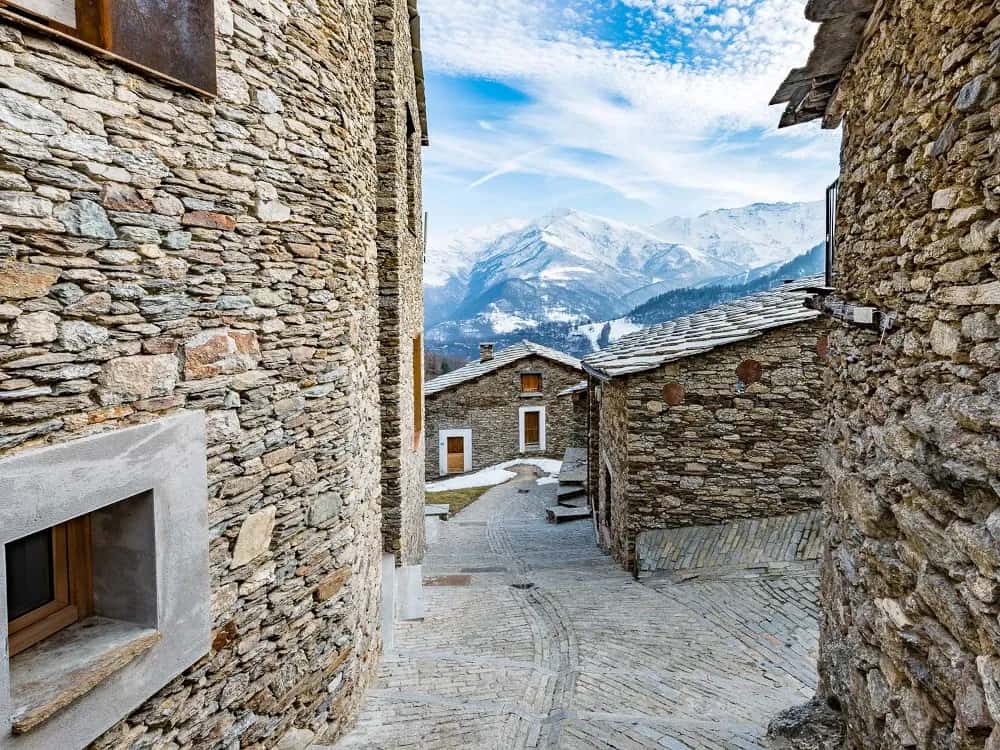
The Christmas traditions in this corner of Piemonte are deeply rooted in the valley's pastoral culture, closely tied to the folk figure of Gelindo the shepherd. Beyond the main display, the surrounding area features exhibitions scattered through the woods, miniature mechanical displays, and mountain trails. Tackling a long weekend here calls for a willingness to embrace the pre-Alpine climate, given that altitudes range from 600 to 1,500 metres. A car is an essential asset for covering the elevation gains and moving independently between the textile hamlets and the peaks of Oasi Zegna, letting you make the most of the midday hours for higher altitudes and saving the dark for the village lights.
To ensure your trip runs smoothly, it pays to keep an eye on the thermometer. A stay that combines exploring historic centres with walks in the snow calls for footwear with excellent grip and plenty of warm layers. Distances between one hamlet and the next are short in kilometres, but the gradients and winding provincial roads dictate a slow pace—ideal if you are in no rush to tick off dozens of stops in just a few hours.
Four Days in Valdilana: A Winter Itinerary
Day 1 — The Life-Sized Village
Morning
Your first day begins at the Chiesa Parrocchiale di Maria Assunta, overlooking Piazza Italia. Its Romanesque bell tower, framed by period palazzi, marks the official starting point for exploring the Presepe Gigante di Marchetto. Entry is free and requires no advance booking. The route stretches for about a kilometre through the town centre along a barrier-free path, allowing you to walk directly among the fabric and wooden sculptures. On opening day, it is well worth browsing the stalls selling local crafts and regional produce set up across Piazza Italia for the occasion.
Afternoon
Continue along the pedestrian route, following the scenes depicting the valley's traditional trades. The walk among the figures takes about an hour, though you can easily take longer if you linger over the intricate details of the costumes. The emotional highlight and conclusion of the route lies at the Centro Anziani e Casa di Riposo di Mosso. Here, the Nativity scene is set up directly in the open-air courtyard, meaningfully weaving the care home and its residents into the village's festive life.
Evening
Late afternoon onwards offers the very best perspective. The historic workshops and nativity scenes remain illuminated until 22:00, lending the walk far sharper contrasts than during daylight hours. For dinner, head down towards Valle Mosso to take a seat at Ristorante Dei Cacciatori. Open since 1873, it is a true bastion of Piedmontese cooking: you cannot go wrong with the local polenta concia biellese, handmade ravioli, or the classic carrello dei bolliti. A great base for the night nearby is Ianua Coeli B&B, ideally placed for setting off the following morning.
Day 2 — Clockwork and Woodlands in Callabiana
Morning
In the morning, head over to the neighbouring municipality of Callabiana to discover the Presepi nel Bosco di Callabiana. This is a scattered exhibition where nativity scenes and various artistic installations are set up outdoors, nestled around historic stone wash houses in the hamlets and along the edges of woodland paths. The trail is strictly tackled on foot. As these routes wind through rural nature, winter walking boots are essential to avoid slipping on the morning damp.
Afternoon
After lunch, head up to the hamlet of Nelva to visit the Presepe Meccanico di Callabiana, housed in the Oratorio di San Carlo. On weekdays, opening hours are limited to a narrow window from 14:30 to 16:30, while on public holidays you can also visit in the morning. Inside, over seventy mechanised figures come to life against backdrops that faithfully reproduce the mountain scenery of the Biellese on a miniature scale. Afterwards, a short drive brings you back towards Mosso, specifically to Borgata Marchetto. It was in this small cluster of houses, just a kilometre from the main town, that the entire tradition was born in 1980. If you are here on the evening of 24 December, this is where the Christmas Eve bonfire is lit at the end of the torchlight procession.
Evening
Winding back up towards the chestnut woods, dinner awaits at Gribaud Osteria di Montagna in the hamlet of Brughiera. It serves regional dishes and classic merende sinoire, but you will need to book your table well in advance, as evening openings are arranged strictly by reservation. If you are looking for somewhere to stay nearby, consider Cascina Il Faggio, which also features a wellness area to help soothe the chill gathered during the day.
Day 3 — High Altitudes and Snowshoes
Morning
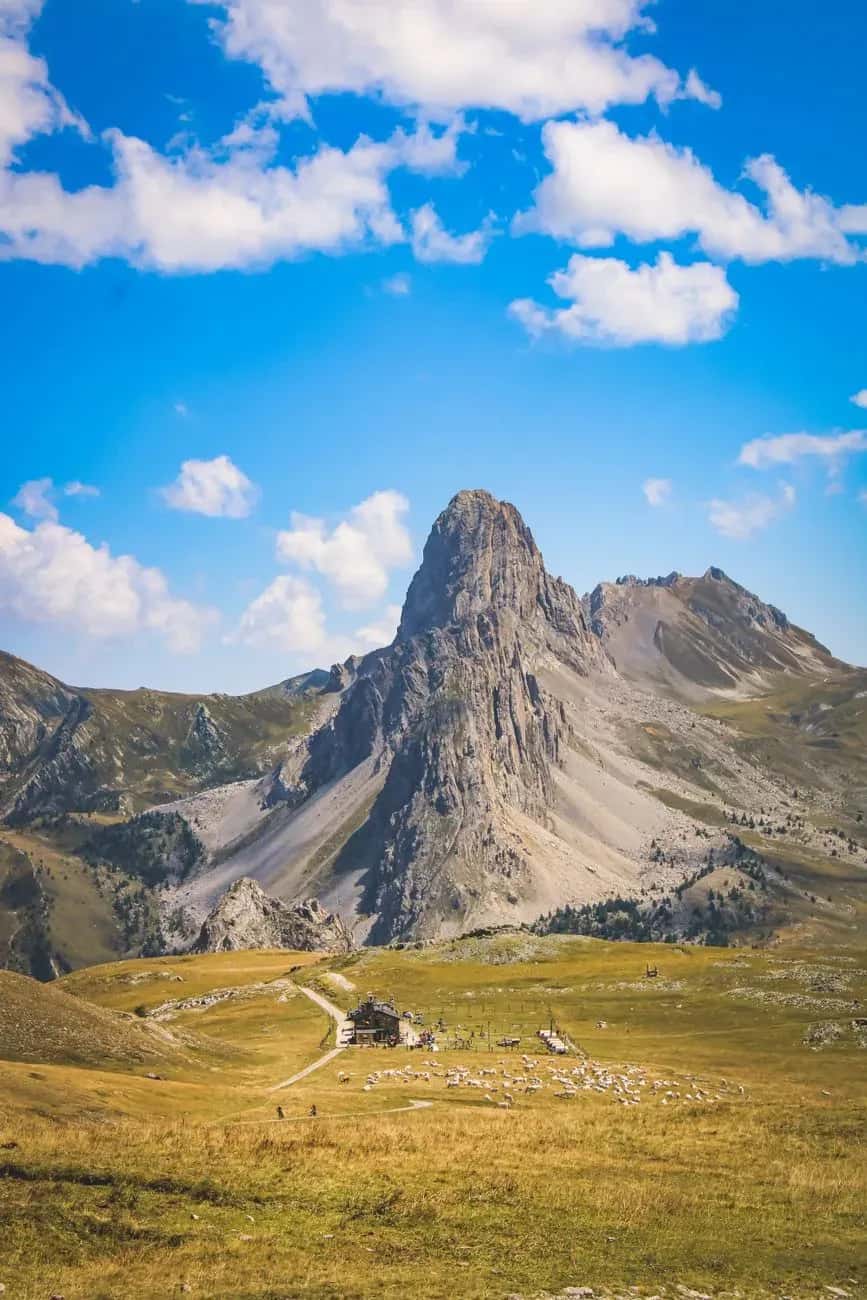
Your third day leaves the valley floor behind to tackle the hairpin bends of the Strada Panoramica Zegna (SP232). Stretching for 25 kilometres of mountain tarmac, this road was commissioned by the entrepreneur Ermenegildo Zegna, carving across the mountain slopes to link the wool industry with the Alps. Reaching the 1,500-metre mark at Piazzale 2 in Bielmonte, stop off at Wing Over Bar before lacing up your boots. This high-altitude spot serves coffees and hot drinks, ideal for raising your core temperature before facing the biting wind sweeping the ridges.
Afternoon
Bielmonte is the starting point for the Sentieri Ciaspole dell'Oasi Zegna. If you are after gentler slopes, head to Bocchetto Luvera e Alpe Margosio: a very easy two-kilometre loop that offers snowshoe hire on site and front-row views of the Monte Rosa massif. Alternatively, if you have more stamina, Bocchetto Sessera at an altitude of 1,400 metres serves as the mountain pass for longer hikes towards Piana del Ponte, venturing deep into the upper Valsessera basin.
Evening
Coming off the slopes or the groomed trails, Panorama Bar Bielmonte is the ideal logistical pitstop to wrap up the afternoon. It is the perfect place to sample the local Amaro della Panoramica, just the thing to warm you up before driving back down the provincial road towards the villages. If you prefer staying in a historic property down in the valley, opt for B&B La Casa Verde in the hamlet of Prativero.
Day 4 — Industrial Heritage and Wooded Gorges
Morning
The final day provides context for everything you have experienced so far. Head down to Trivero to visit Casa Zegna, the foundation's exhibition space and historic archive. The displays clearly document the creation of the Oasi and the vision of corporate patronage that shaped the entire mountain landscape and the road network you travelled over the previous days. Archival documents and period photographs shed light on how the wool industry sustained these valleys, funding reforestation projects and essential infrastructure.
Afternoon
A short drive away, still in Trivero but secluded in the woods at an altitude of around 800 metres, sits the Santuario della Madonna della Brughiera. The tranquil basin in which it stands, sheltered by ancient trees, makes it a key site for Marian devotion in the valley, well away from the traffic of the provincial road. The building blends discreetly into the sloping rural ground.
Evening
On your way back towards the plains, crossing towards Veglio, the provincial road traverses the Ponte della Pistolesa. This reinforced concrete structure spans a dramatic, deep, wooded gorge. Famous across Europe as a bungee jumping platform, in winter it provides a brooding, dizzying viewpoint over the stark nature below, bringing the mountain scenery of the Biellese to a striking close.
Top Tips for Planning Your Trip
- To get the most out of the open-air nativity scenes, plan your walk through the historic centre of Mosso between dusk and 22:00. The evening lighting brings out the features of the life-sized figures and historic shop fronts, free from the harsh daylight reflections.
- A private car is essential for your weekend logistics. You will need it to cover the distances along the SP232 Panoramica Zegna and to move seamlessly between Mosso, the rural displays in Callabiana, and the high-altitude trails of Oasi Zegna.
- Exact dates change from year to year, but the event generally runs from late November until Epifania. Check official Oasi Zegna channels before travelling, especially if you plan to join the Christmas Eve torchlight procession on 24 December.
- The broad temperature range calls for serious outdoor gear. Alongside warm thermal base layers, pack sturdy walking boots with deep tread for icy village alleys, plus microspikes or snowshoes if you plan to tackle the trails around Bielmonte.
Where to Stay
A convenient base for local walks, offering both rooms and self-catering apartments just a short stroll from the historic centre.
View on Booking →A rural agriturismo at an altitude of 850 metres, featuring a welcome wellness area to warm up after a day in the snow.
View on Booking →Boutique rooms set in an elegant early 20th-century residence, ideal if you appreciate period architecture.
View on Booking →