

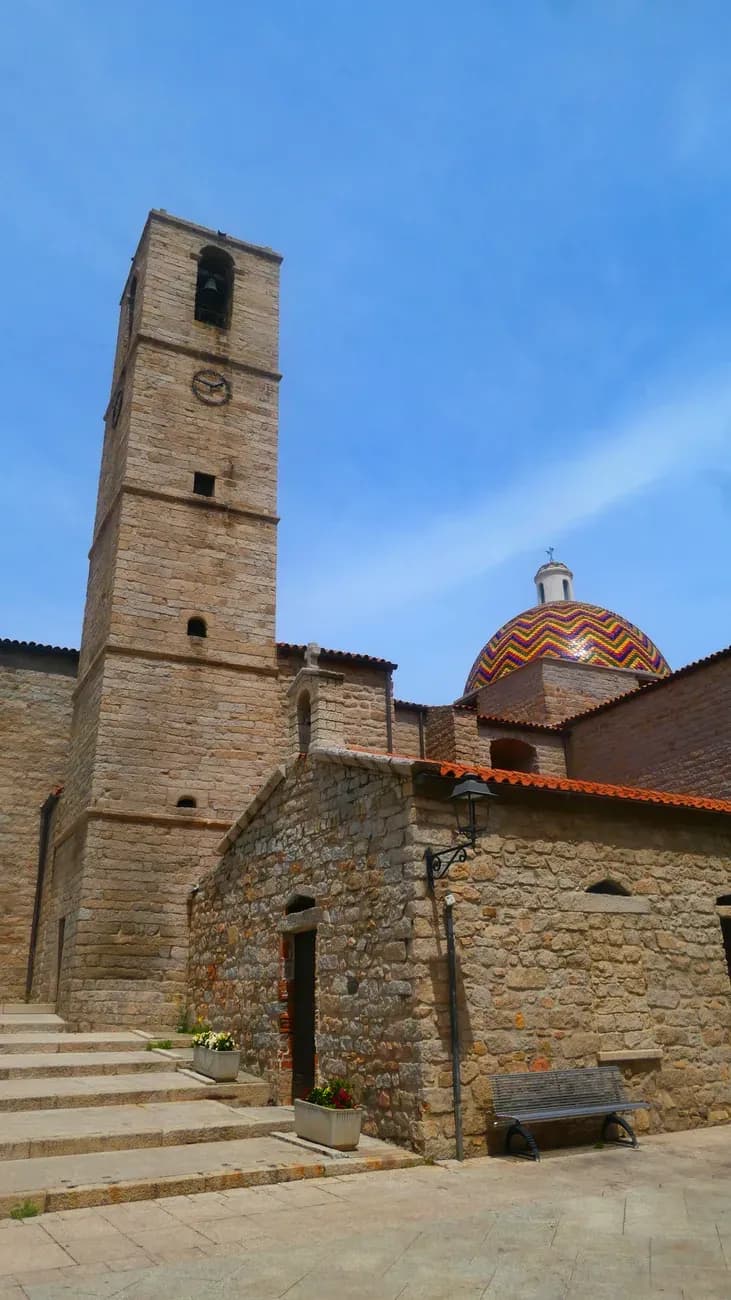
The city is often dismissed as a mere transit hub where you step off the ferry and drive straight to other destinations. Yet behind the facade of its busy port lies an area steeped in ancient history and little-trodden landscapes, ideal if you are wondering what to see in Olbia beyond the usual tourist trails. A trip here reveals nuragic complexes perched beside the sea, inland valleys cloaked in woods and pristine coastal paths.
The best time to combine long walks, archaeological visits and a few hours on the beach runs from May to early June, or from mid-September to October—windows when temperatures remain mild and traffic along the main roads drops significantly. To reach the mountain trails, inland villages and sheltered coves with ease, a car or camper van is essential. Journeys typically take between 15 and 40 minutes along the Statale 125 or Gallura's various provincial roads.
Those travelling on four wheels can also rely on dedicated rest areas, such as the serviced site at Porto San Paolo along the SS125 or the Camper Service on Via Seychelles, handy for waste disposal and refilling before heading out of town. If you prefer a fixed base in the city, options such as Hotel For You or Hotel Terranova are strategically placed right next to the pedestrian zone, making evening strolls effortless.
How to plan four days in Gallura
Day 1 — Granite, ancient ships and panoramic ruins
Morning
Your first day focuses on the main town and its immediate hills. In the Centro storico stands the Basilica di San Simplicio, built between the 11th and 12th centuries: a Romanesque place of worship constructed entirely of granite, free to enter. Moving across to Isola Peddone along the seafront promenade, your attention turns to the Museo Archeologico di Olbia. Designed to resemble a moored ship, it houses rare remains of ancient rudders and Roman-era wrecks; entry is free and doors open from Tuesday to Sunday.
Afternoon
After stopping for lunch at Trulla Terranoa, a spot in the Centro storico serving Gallura specialities alongside local wines, it is time to head outdoors. Within the urban fabric stretches Parco Fausto Noce, a green haven of nearly 18 hectares threaded with shaded paths and fountains. In the late afternoon, make your way to the Cabu Abbas area to discover the Nuraghe Riu Mulinu (Cabu Abbas). This stone complex crowns a hilltop, a vantage point offering sweeping views across the entire gulf.
Evening
For dinner, staying within the Centro storico along Via delle Terme, Ristorante Pizzeria Antica Trattoria serves hearty traditional fare such as zuppa gallurese and porcetto. On milder evenings, tables are set outside on the veranda.
Day 2 — Coastal headlands and megalithic tombs
Morning
The morning of day two calls for comfortable walking shoes to tackle the Trekking a Capo Figari e Cala Moresca, in the territory of Golfo Aranci. This dirt trail of roughly 8 kilometres winds through Mediterranean macchia and skirts sheer sea cliffs, culminating at the naval signal station with a direct view across to the island of Figarolo. Heading back into town for lunch, on Via La Marmora you will find Trattoria Il Gambero dal 1968, an established local favourite celebrated for dishes built around fresh catch.
Afternoon
The second part of the day leads south of Olbia, following a scenic uphill footpath to reach Castello di Pedres. This medieval fortress sits atop an isolated granite outcrop, commanding views over the surrounding plain. Just a short distance away, in the same southern sector, lies the Tomba dei Giganti Su Mont'e s'Abe. This megalithic tomb dating from the Nuragic era impresses with the scale of its burial chamber and massive stone slabs, open to visitors free of charge all year round.
Evening
To round off the day, head along Viale Aldo Moro to Ristorante By Night. Open since 1985 and renowned for its raw and cooked seafood antipasti, it has limited seating, so booking ahead is essential to secure a table.
Day 3 — Artisans, hidden lakes and four-thousand-year-old olives
Morning
Leaving the coast behind, spend the morning in the Borgo di San Pantaleo, a small village tucked beneath rugged granite crags. The settlement revolves around artisan workshops and an unhurried atmosphere; if your visit falls on a Thursday morning, a bustling local market takes over its streets. Given the crowds, arriving early and grabbing a space in the car parks on the village outskirts is vital to avoid traffic jams. You will also find small bakeries and grocers for a quick bite before heading on.
Afternoon
Further north, in the territory of Luras, the itinerary continues at Lago del Liscia ed Escursione in Battello. This freshwater reservoir is ringed by rolling hills and woodland. The cruise aboard the Pollux boat lasts around 50 minutes: book ahead by phone and be at the boarding pier at least 15 minutes before departure. Right nearby, in Karana, stand the Olivastri Millenari di Luras. A 45-minute guided tour lets you view these ancient giants up close, chief among them S'Ozzastru, estimated to be nearly 4,000 years old.
Evening
Back within the city limits, stop at Ristorante Bacchus on Via Don Sturzo. The kitchen focuses on refined meat and seafood dishes in a formal setting where evening bookings are strongly recommended.
Day 4 — Morning coves and boat trips to Tavolara
Morning
The final day is dedicated to exploring the coast while dodging the peak crowds. Spiaggia di Porto Istana, in the Murta Maria area, offers four coves of pale sand facing the dramatic silhouette of the island of Tavolara. To enjoy the calm, turquoise waters, the golden rule is to park before 09:00, after which spaces fill up completely. Alternatively, Spiaggia Pittulongu (La Playa) is the classic beach for locals, offering pale sand and shallow, clear waters ideal for relaxing.
Afternoon
Moving towards Le Saline, Spiaggia delle Saline stands out for its long stretch of coarse reddish sand and old wooden pier, popular with brisk walkers and windsurfers. The afternoon then shifts to the quays of Golfo di Olbia and Porto San Paolo to explore the Area Marina Protetta di Tavolara. Boat tours include stops for snorkelling in the crystalline waters around Tavolara and Molara. Departures are frequent, but it is sensible to book a few days ahead to guarantee your preferred time slot.
Evening
Back at the port, you can spend your final evening dining in the Centro storico, wandering its alleyways where old neighbourhood trattorie keep their kitchens running late into the night for visitors returning from the islands.
Top tips for planning your trip
- To avoid long queues in the sun at popular beaches like Spiaggia di Porto Istana or Spiaggia Pittulongu (La Playa), aim to park before 09:00 during summer and shoulder season.
- The boat trip on Lago del Liscia ed Escursione in Battello requires advance planning: book your place by telephone and arrive at the pier near the olive groves 15 minutes before departure.
- If you visit Borgo di San Pantaleo on a Thursday morning for its artisan market, arrive early and leave your car in the first signposted car parks at the entrance to the village.
Where to spend the night
Located in the historic centre, just a short walk from Corso Umberto and public parking.
View on Booking →Overlooking the town promenade, within easy walking distance of the marina.
View on Booking →Set along the panoramic road connecting the town centre to the Pittulongu coast.
View on Booking →