

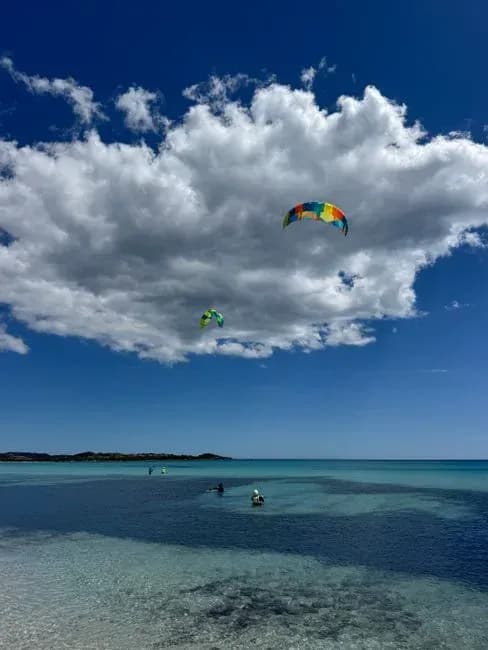
Stepping off the ferry and heading straight north is common practice, but Olbia deserves a closer look. This is a landscape where Nuragic complexes sit just yards from the sea, tucked amidst Mediterranean scrub and hillside trails. To catch it at its best, pick the right season: May, June, September, and October offer ideal temperatures for uphill walking and sea warm enough for a swim, safely dodging the days when the maestrale cuts off access to exposed spots.
The town centre is easy to explore on foot, but to truly discover Gallura you will need a hire car, essential for reaching the inland archaeological sites. Planning your journeys and packing the right gear will make all the difference between a tiring day out and a rewarding walk.
Four days between coast and hinterland
Day 1 — The historic centre and Roman shipwrecks
Morning
If you are arriving by car, the handiest way to avoid getting caught out by the ZTL cameras on Corso Umberto is to leave it in the large, free car park at Molo Brin. Right next door on Isola Peddone, the Museo Archeologico di Olbia opens its doors. The visit takes around an hour to an hour and a half and reveals rare Roman ship masts and wrecks recovered from the seabed; admission is free, just avoid Mondays when it is closed. Wandering through the town centre, time your stroll to reach the Basilica di San Simplicio before 12:00. Dating from the 11th and 12th centuries, this is the oldest granite Romanesque building in Gallura and is dedicated to the town's patron saint.
Afternoon
After lunch, head towards Via Torino and Via Acquedotto, where the Mura Puniche immediately catch the eye. These are the granite remains of a 4th-century BC fortified wall, visible straight from street level with no tickets or opening hours to worry about. Just a short walk away, the Chiesa di San Paolo Apostolo is unmistakable thanks to its dome entirely clad in multi-coloured majolica tiles. It is an 18th-century Baroque church that takes about twenty to thirty minutes to explore.
Evening
For dinner, stay in the historic centre on Via Garibaldi, where Ristorante Da Paolo is a long-standing local favourite. The kitchen focuses on authentic Sardinian cooking, serving up both fresh fish and traditional Gallurese meats.
Day 2 — Turquoise waters and ancient ruins
Morning
The northern coastline offers town beaches easily reached by the ASPO line 4 bus or the Beach Express shuttle. Spiaggia di Pittulongu, also known as La Playa, is a crescent of pale sand with shallow waters looking out towards the island of Tavolara; parking spaces fill up fast, so aim to get there before 10:00. Alternatively, just a little further along lies Spiaggia di Bados, with its grey-ochre sand and turquoise sea. It is well sheltered from the wind, making it ideal for swimming.
Afternoon
Heading back south along the SP 82 gives you the chance to take in two significant archaeological stops. The first is Pozzo Sacro Sa Testa, a Bronze Age monument dedicated to water worship. It features an atrium, a staircase, and an underground tholos; the site is always open and takes around forty-five minutes to visit. Continuing towards the hamlet of the same name, you will come across the Acquedotto Romano e Cisterna di Sa Rughittula. This Roman water system still retains intact arches and a barrel-vaulted cistern, all free to explore.
Evening
Down on the promenade along Via Regina Elena, Terra Nostra makes an easy-going spot to round off the day. It doubles as a restaurant and pizzeria, with outdoor tables offering direct views over the harbour.
Day 3 — High-altitude trails and stone towers
Morning
You will need a hire car today for drives of fifteen to twenty-five minutes. Spend the morning on the Escursione a Monte Pino, a trek climbing up to 742 metres. The path weaves through dense pine woods and granite outcrops, opening up to panoramic views stretching across the entire coastline. Afterwards, head down to Cabu Abbas to climb up to Nuraghe Riu Mulinu. This fortified outpost sits 246 metres above sea level and is reached via a stepped path that takes fifteen to twenty minutes on foot.
Afternoon
Late in the afternoon, along the SP 24 in Regione Casteddu, there is a very convenient stopping point: Castello di Pedres and Tomba dei Giganti Su Mont'e s'Abe share the same free dirt car park. It is best to start with the 28-metre-long megalithic tomb before tackling the climb up to the castle. The walk up to the medieval fortress takes about fifteen minutes and calls for sturdy shoes; just before sunset is the perfect time to gaze out across the gulf from the granite hill.
Evening
Heading back towards Via Tirso, Trattoria Da Sara is an unpretentious, family-run spot. The dishes rely on hearty home cooking and the day's fresh catch, keeping the final bill delightfully reasonable.
Day 4 — Southern shores and protected islands
Morning
As you head down towards Porto San Paolo, the Golfo di Olbia shifts in character. To explore the Area Marina Protetta Tavolara Punta Coda Cavallo, join a rib or boat tour—ideal for snorkelling in the natural pools around the islands of Molara and Tavolara; booking ahead is essential in summer. If you would rather stay on dry land, head for Spiaggia di Porto Istana, a cluster of four coves with fine white sand and emerald water, best visited early in the morning to beat the crowds.
Afternoon
From Murta Maria, pick up the path towards Sentiero e Vedetta di Capo Ceraso. This coastal walk winds through Mediterranean scrub, skirting granite coves and former military lookouts, until reaching the viewpoint facing Tavolara. The round trip takes around two hours.
Evening
For your final evening in town, Mere Ristorante serves contemporary Sardinian cuisine, showcasing local produce and herbs with a modern twist. If you fancy a more rustic, traditional setting, Ristorante Barbagia on Via Galvani features exposed stone interiors and robust recipes from the Barbagia region.
Practical tips for your trip
- To get around the historic centre easily and avoid accidentally driving into the Corso Umberto ZTL, park your car in the large, free open-air lot at Molo Brin, right next to the Museo Archeologico.
- If you are heading to the most popular beaches, such as Pittulongu or Porto Istana, bear in mind that parking fills up quickly. Arriving before 10:00 ensures you get a space and lets you enjoy the water at its calmest.
- To visit Castello di Pedres and Tomba dei Giganti Su Mont'e s'Abe, park just once in the free dirt lay-by along the SP 24. Both archaeological sites are free to enter and are best explored in the late afternoon.
- When tackling the trails to Nuraghe Riu Mulinu, Monte Pino, or Capo Ceraso, proper walking shoes or sturdy closed-toe footwear with good grip are essential; leave flip-flops and sandals behind, even for coastal paths.
Where to stay
A central hotel prized above all for its large panoramic terrace overlooking the entire gulf and town rooftops.
View on Booking →A seafront resort with outdoor grounds offering sweeping views across to the island of Tavolara.
View on Booking →A convenient base along the road to Pittulongu, situated right opposite the sacred well archaeological site.
View on Booking →