

If you're planning a trip to Sardegna, good planning makes all the difference between an easy-going weekend and a frantic rush behind the wheel. Olbia is ideal for a short break, especially in spring (between April and June) or from September to October: you'll dodge the summer heat and traffic jams, making the most of glorious days to explore the hinterland and soak up the sea in peace. In high summer (July and August), by contrast, you'll need to factor in steeper hotel rates and the necessity of booking restaurants and excursions well in advance.
The secret to fitting everything into three days is clustering areas together. Most of the historic sites south of the city are free to enter, an enormous plus for keeping your weekend budget in check. Olbia itself is easily explored on foot in the centre, whereas hopping between the coast and neighbouring hamlets requires a little forward planning.
The weekend itinerary
Day 1 — Maritime archaeology and city streets
Morning
Start your day by leaving the car in the spacious free parking area at Molo Brin. From here, take a short stroll to Isolotto Peddone to visit the Museo Archeologico di Olbia, which is free to enter. The building boasts a curious ship-like design and houses rare Roman and medieval boat wrecks, ancient rudders, and masts. The visit takes a little while, but it's well worth it to grasp the history of this port city.
Afternoon
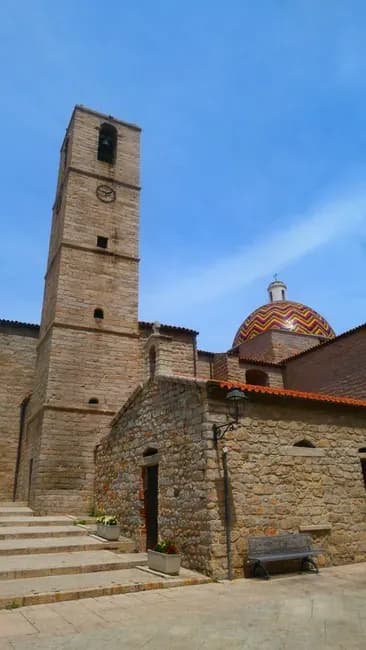
Head towards the centre to take in two of the main churches. First is the Basilica di San Simplicio, built from Gallura granite between the 11th and 12th centuries; it's a Romanesque masterpiece dedicated to the patron saint. The visit takes about 30 minutes and is free. A short walk away, the Chiesa di San Paolo Apostolo stands out with its 18th-century dome covered in colourful majolica tiles, erected on the foundations of an ancient temple. If time allows, unwind with a stroll along the tree-lined avenues and ponds of Parco Fausto Noce, an 18-hectare green lung just north of the centre.
Evening
Stay in the centre for dinner at S'inguldu on Via Porto Romano, an osteria specialising in traditional Gallura dishes and fresh homemade pasta. After dinner, take the classic evening stroll along Corso Umberto I, amid period palazzos and cafes open until late.
Day 2 — Northern beaches and hillside hamlets
Morning
Dedicate half a day to the seaside. If you'd rather not move the car, during the season you can hop on the Spiagge Express bus (line 40) from the centre to Spiaggia di Pittulongu. It's a broad crescent of pale sand with shallow waters, much loved by locals. Just a short distance away, along the road to Pittulongu, make a quick detour to Pozzo Sacro Sa Testa, a Nuragic water-cult sanctuary dating from the Bronze Age, tucked away in the Mediterranean scrub.
Afternoon
Head further north, getting back in the car towards Cabu Abbas. Perched on a hilltop sits the Complesso Nuragico Riu Mulinu, almost 250 metres above sea level: a nuraghe surrounded by a massive defensive wall offering sweeping views over the entire gulf of Olbia. After the climb, drive roughly 20 minutes from the centre to the Borgo di San Pantaleo, a hillside hamlet framed by the granite pinnacles of Cugnana. It's packed with artisan workshops, and you'll often spot local artists at work.
Evening
For dinner, head back into town to Via La Marmora for Trattoria Il Gambero. It's a historic venue focused on seafood, serving fresh catches prepared with local recipes.
Day 3 — Heading south: fortresses, giants' tombs, and Isola di Tavolara
Morning
The area south of Olbia hides impressive sites, all with free admission. Drive towards Pedres and park up. A flight of stone steps leads up to the Castello di Pedres, a medieval fortress overlooking the plain and the gulf below. Nearby, south-west of the city, stop at the Tomba dei Giganti Su Monte 'e s'Abe: a huge 28-metre-long megalithic burial site from the Nuragic era. Finally, on Via Mincio, you can admire the Acquedotto Romano Sa Rughittula, which boasts the best-preserved stretch of masonry arches in Sardegna.
Afternoon
Spend the rest of the day in the Murta Maria area to enjoy the southern coastline. At Spiaggia di Porto Istana you'll find four fine white-sand coves lapped by crystal-clear waters. From here, you get a stunning, head-on view of the island of Tavolara.
Evening
Wrap up your weekend with a more casual dinner, perhaps at Terranostra Trattoria Creativa Pizzeria on Via Regina Elena—handy for getting back towards the port—serving affordable pizzas and Sardinian specialities.
Top planning tips
- A car is essential: while the centre is walkable, hiring a car is necessary to reach hillside villages like San Pantaleo and most of the Nuragic ruins to the south, which are poorly served by buses.
- To get around the streets flanking Corso Umberto and visit the pier, save time by leaving your car in the large free car park at Molo Brin.
- Almost all historic and archaeological hubs outside town (the giant's tomb, castle, and nuraghi) offer free admission, as does the museum in the centre—fantastic for keeping sightseeing costs low.
Where to stay
Enviable location on Corso Umberto, ideal for wandering between historic monuments and evening venues on foot.
View on Booking →Situated along the road to Pittulongu, offering panoramic views near the remains of the Pozzo Sacro.
View on Booking →Overlooking the promenade and the new marina, just a short walk from the heart of the city.
View on Booking →