

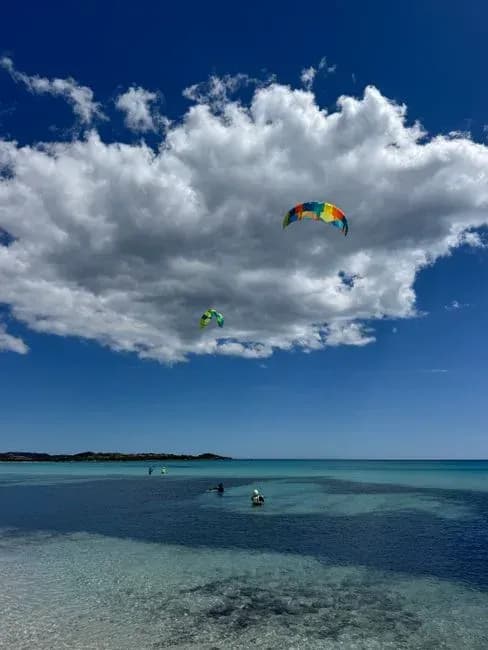
Olbia is often written off as a mere transit hub for ferry or flight arrivals, yet the town itself and its surroundings offer ample substance for a well-rounded weekend break. Between nuragic complexes, seafront museums, and pale sandy shores, there is plenty to explore without venturing far from the coast. The ideal window for a weekend in Olbia spans from May to June, or through September and October. During these months, the weather allows you to enjoy the sea and explore the inland areas on foot, avoiding the heavy traffic and stifling heat typical of July and August.
Logistics call for a considered choice of transport. Hiring a car is the best way to reach archaeological sites, inland hamlets, and the more secluded coves. Alternatively, if you plan to stick to the municipal coastline, the local public transport network runs bus line 40, dubbed the 'Spiagge Express', which connects the town centre to the coast with ease. For your stay, centrally located options such as the Hotel Centrale Olbia make evening strolls entirely stress-free.
How to plan your days in Olbia
Day 1 — The historic centre and maritime relics
Morning
Start the day with a stroll through the historic centre to get your bearings amidst the local architecture. An ideal starting point is the Chiesa di San Paolo Apostolo, an 18th-century church that catches the eye from afar thanks to its distinctive dome clad entirely in multi-coloured majolica tiles. After wandering along the central streets, head towards the north-central district for a break at the Parco Fausto Noce. This is Sardinia's largest urban green lung, a vast park where you can wander in the shade along tree-lined paths and fountains. For lunch, remain in the heart of town on Via Garibaldi at the Ristorante da Paolo. A historic local institution, it is a great spot to sample traditional fresh pasta alongside classic Sardinian meat and seafood dishes.
Afternoon
The early afternoon is prime time to visit the Basilica di San Simplicio. Dedicated to the town's patron saint, this Romanesque masterpiece dates from the 11th century and was constructed out of granite blocks. A visit takes around 45 minutes. From here, wander down towards Porto Antico and Isolotto Peddone, where you will find the striking Museo Archeologico di Olbia. Designed in the shape of a ship, the building overlooks the water and houses significant Roman maritime artefacts, including entire shipwrecks, masts, and rudders. Admission is free, and it is worth setting aside around an hour and a half to take in the galleries properly.
Evening
Come evening, the focus shifts to Corso Umberto I, the primary thoroughfare through the old quarter. The street becomes pedestrianised, making for easy strolls among shopfronts and historic venues. For dinner, an excellent central pick is L'Essenza Bistrot. A modern establishment featured in leading food guides, it serves refined dishes rooted in contemporary Sardinian cuisine. If you are travelling over a summer weekend, booking a table well in advance is essential to avoid long waits.
Day 2 — Coastlines, nuraghi, and granite villages
Morning
Your second day calls for wheels. Make an early start for the Spiaggia di Porto Istana along the southern coast; arriving first thing in the morning is the only reliable way to secure a parking space. This sheltered cove stands out for its bright white sand, turquoise waters, and direct views across to the island of Tavolara. If you rely on the bus instead, head to the Spiaggia di Pittulongu, a crescent of pale sand with shallow waters that is the go-to beach for locals. Around lunchtime, head to Via Tirso in the beachside district for Trattoria Da Sara: an unpretentious family-run venue dishing up generous helpings of homestyle cooking and the catch of the day at sensible prices.
Afternoon
Back in the car along the road towards Pittulongu, make your first afternoon stop at the Pozzo Sacro Sa Testa. This ancient nuragic water temple features an atrium and a stone staircase laid out in a keyhole design. Entry is free, and a visit takes roughly 45 minutes. From here, a 20-minute drive north brings you to the Borgo di San Pantaleo. Perched among rugged granite peaks, the village preserves classic Gallura stone architecture, with artisan workshops dotted through its alleyways. In the late afternoon, capitalise on the fading light by driving to Cabu Abbas to explore the Nuraghe Riu Mulinu (Cabu Abbas). This hilltop fortification commands sweeping views over the whole gulf. Getting to the top involves a 20-minute uphill hike along a trail.
Evening
Back in town, round off the itinerary with a dinner revolving around coastal flavours. Ristorante Da Bartolo, set right in the town centre, bases its menu on fresh local catches, plating up modern takes on Gallura seafood specialities. Here too, booking ahead is a must. If tomorrow's plans include boat excursions to the Tavolara marine protected area, ensure tickets were secured in advance, given the high seasonal demand.
Practical tips for your trip
- Satnav directions for Nuraghe Riu Mulinu (Cabu Abbas) often send drivers onto impassable dirt tracks. To prevent car damage, follow Via S'Iscoglia up to an unpaved clearing, leave your vehicle there, and continue on foot for around 20 minutes.
- If you are driving and planning to explore the historic centre in the evening, bear in mind that Corso Umberto I is pedestrianised and neighbouring streets have paid parking bays. It is best to park for free in the park-and-ride areas by Molo Brin or the train station.
- Between June and September, as well as on most weekends, popular restaurants in the historic centre and boat tours to Tavolara book up quickly: reserve everything well before arriving on the island.
- A hire car is indispensable for southern beaches and the hinterland, but if you are only staying a couple of days, urban bus line 40 runs conveniently from the centre straight to the sandy shores of Pittulongu.
Where to stay
A hotel located directly on Corso Umberto I, the main pedestrian thoroughfare of the historic centre.
View on Booking →A contemporary hotel on Viale Aldo Moro, complete with a swimming pool and a panoramic terrace.
View on Booking →A seafront hotel complex situated right on the shore in Pittulongu.
View on Booking →