

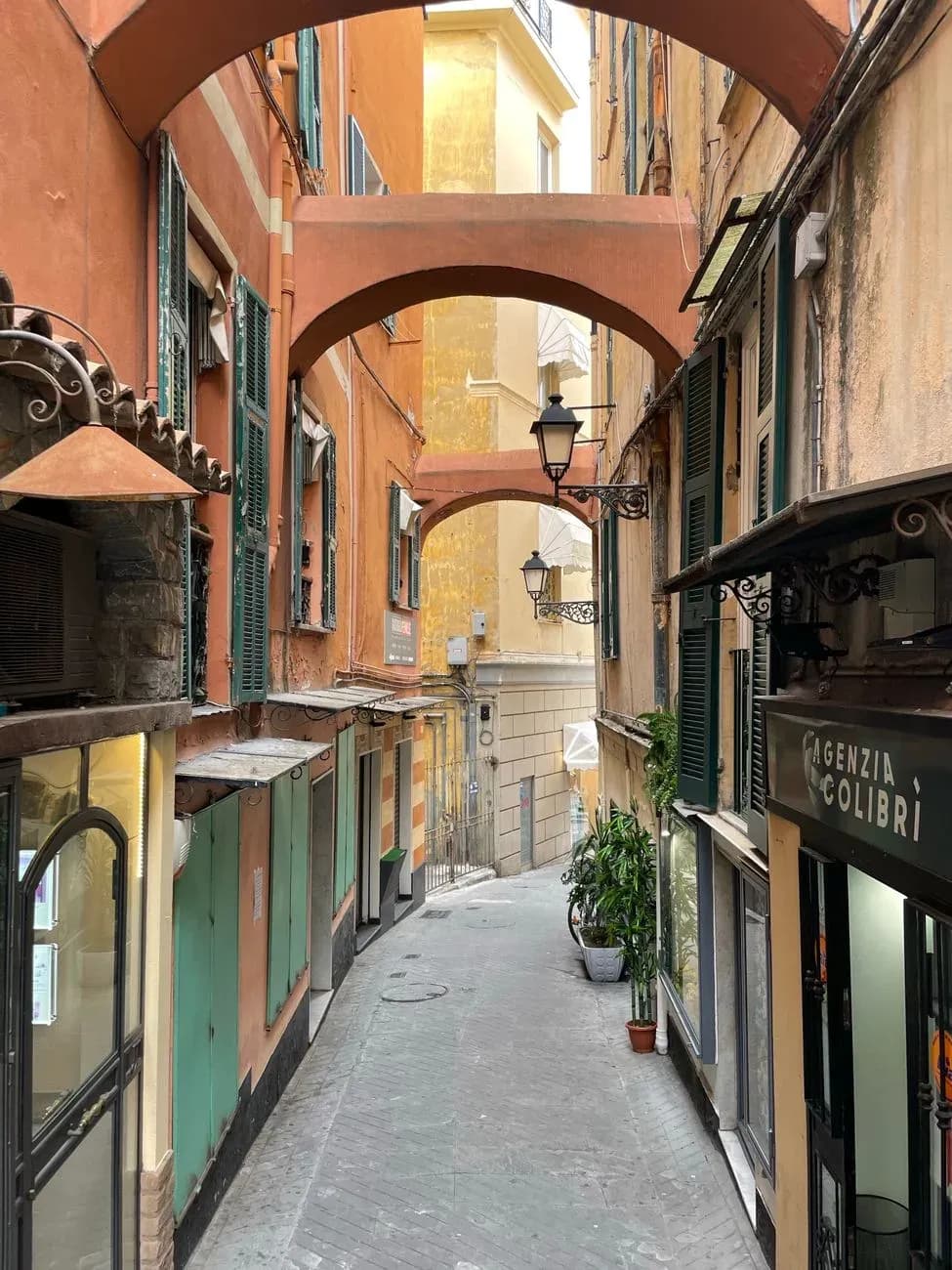
The City of Flowers has a dual nature, often overshadowed by its television fame. On one side are the elegant boulevards of the town centre; on the other, a maze of stone climbing the hillside and hamlets reborn from the dust. To appreciate this contrast, you need to explore Sanremo away from the beaten track, heading up towards the hillside villages and historic villas that tell a tale of tsarians and Nobel laureates.
Spring and early autumn offer the ideal weather for this sort of exploration. During these months, the temperatures are perfect for cycling along the coast and walking uphill without suffering from the sweltering heat, while avoiding the summer crowds and the severe logistical chaos that paralyses the streets during the week of the Festival. Much of the town centre, Corso Matteotti and the historic district must be tackled strictly on foot, given the flights of steps and the extensive limited-traffic zones. Choosing a central base, such as the Best Western Hotel Nazionale or nearby properties, makes morning departures effortless. When exploring the coastline, however, a bicycle solves any distance issue, taking advantage of the long path reclaimed from the old railway line.
The two faces of the city
Day 1 — From historic villas to the seafront
Morning
If your visit falls between Tuesday and Friday, you can start the day at Villa Nobel e Giardini, located on Corso Felice Cavallotti. It is a Neo-Moorish residence surrounded by a botanical park, and the former home of Alfred Nobel. The museum interiors and historic rooms are open to the public only in the morning, from 9:30 to 12:30, with a €7 entry ticket that does not require booking. After the visit, head down towards the lower part of the town centre to find the Cattedrale di San Siro. This building is the city's oldest place of worship and a majestic example of Romanesque-Gothic architecture. For a mid-morning break before lunch, head to Via Corradi for Pasta Madre, an artisan bakery. It produces fresh Ligurian baked goods and a sardenaira known for being remarkably light, perfect for a quick yet satisfying bite.
Afternoon
The early afternoon centres on the pedestrian stretch of Via Matteotti. Here stands Teatro Ariston, the legendary home of the Festival della Canzone Italiana. As you walk along the street, look out for the bronze plaques embedded in the paving, bearing the names of all the festival's past winners. Continuing west towards the seafront, the architectural landscape shifts dramatically. At the corner of Corso Nuvoloni and the promenade rises the Chiesa Ortodossa Russa di Cristo Salvatore. Built in the early 20th century, it is distinguished by its characteristic golden onion domes. A short distance away on Corso degli Inglesi is the Casinò Municipale di Sanremo, an Art Nouveau palace designed by architect Eugène Ferret and opened in 1905, a true symbol of the local Belle Époque. From here, continue naturally on foot along Passeggiata Imperatrice, an elegant marble-paved promenade lined with tall palm trees, originally gifted to the city by Tsarina Maria Aleksandrovna.
Evening
For dinner, the central area offers several great options. Staying close to the town centre, on Piazza V. Muccioli, you will find Baccarà Bistrot Bello. This modern, recently awarded bistro focuses on seafood recipes rooted in the region. Highlights include Ligurian tapas and local red prawn dishes, offering a contemporary take on coastal produce.
Day 2 — Hilltop villages and disused railways
Morning
The second day calls for comfortable shoes to explore La Pigna, the medieval historic centre perched on the hillside. It is a dense labyrinth of caruggi, stone arches and small squares, best enjoyed early in the morning for its peaceful atmosphere and striking shadows. Climbing the pedestrian alleyways to the top of the hill brings you to the Santuario della Madonna della Costa. The Baroque church overlooks the town, and its forecourt offers an open panoramic view over the entire city and the open sea. Once you walk back down, before leaving the centre behind, stop by Enea Sardenaira on Via Generale A. Lamarmora. This small, family-run food shop specialises in authentic local sardenaira, served alongside portions of farinata and traditional local torte verdi.
Afternoon
The afternoon is dedicated to green mobility along the seafront. Near the old railway station, hire shops such as NoloBici offer city bikes, e-bikes and pedal surreys by the hour or half-day. This is the starting point for the Pista Ciclabile del Ponente Ligure, a scenic, completely flat cycle and pedestrian path created on the route of the disused coastal railway. Its 24 kilometres of tarmac link several neighbouring coastal towns, allowing you to pedal as far as Ospedaletti or Santo Stefano al Mare. After returning your bikes, the final stop takes you about 6 kilometres out of the centre into the hillside hamlets to reach the Borgo di Bussana Vecchia. This medieval village, largely destroyed by a violent earthquake in 1887, was brought back to life from the 1960s onwards by an international community of artists. Visiting requires a little planning: the drive up is narrow and winding, with very limited roadside parking. Alternatively, take the bus to Bussana Nuova and walk the rest of the way, which involves a 30 to 40-minute uphill hike.
Evening
Back down in the lower town, wrap up your weekend in the alleys of the pedestrian centre. On Via Palazzo you will find La Tavernetta, a popular and informal spot. The kitchen focuses on regional baked classics, serving traditional sardenaira and various authentic focaccia baked to perfection, bringing your trip to a close with straightforward, no-nonsense flavours.
Planning your trip: logistics and opening hours
- Walking is the only way to get between Corso Matteotti, the district of La Pigna and the rest of the historic centre due to the many flights of steps and extensive limited-traffic zones. To explore the coast, hire a bicycle and take full advantage of the dedicated cycle path.
- Reaching the artists' community of Bussana Vecchia, 6 km from the centre, requires some planning. Drivers must tackle a narrow, winding ascent with scarce roadside parking. Alternatively, take the bus to Bussana Nuova and factor in a 30 to 40-minute walk uphill to reach the village.
- Check the calendar carefully before planning a visit to Villa Nobel. The museum spaces and historical interiors are open to the public exclusively from Tuesday to Friday in the morning (9:30-12:30), remaining closed on both Saturdays and Sundays.
- To hire bikes for the old railway path, head to NoloBici, located by the old station. They stock e-bikes, city bikes and pedal surreys with hourly or half-day rates, ideal for covering the flat 24 km trail.
Where to stay
Central hotel just moments from Teatro Ariston and the pedestrian stretch of Via Matteotti.
View on Booking →Historic 4-star seafront property on Corso Matuzia, 300 metres from the municipal casino.
View on Booking →Elegant 19th-century villa with a wellness centre, set in a residential area just outside the centre.
View on Booking →