
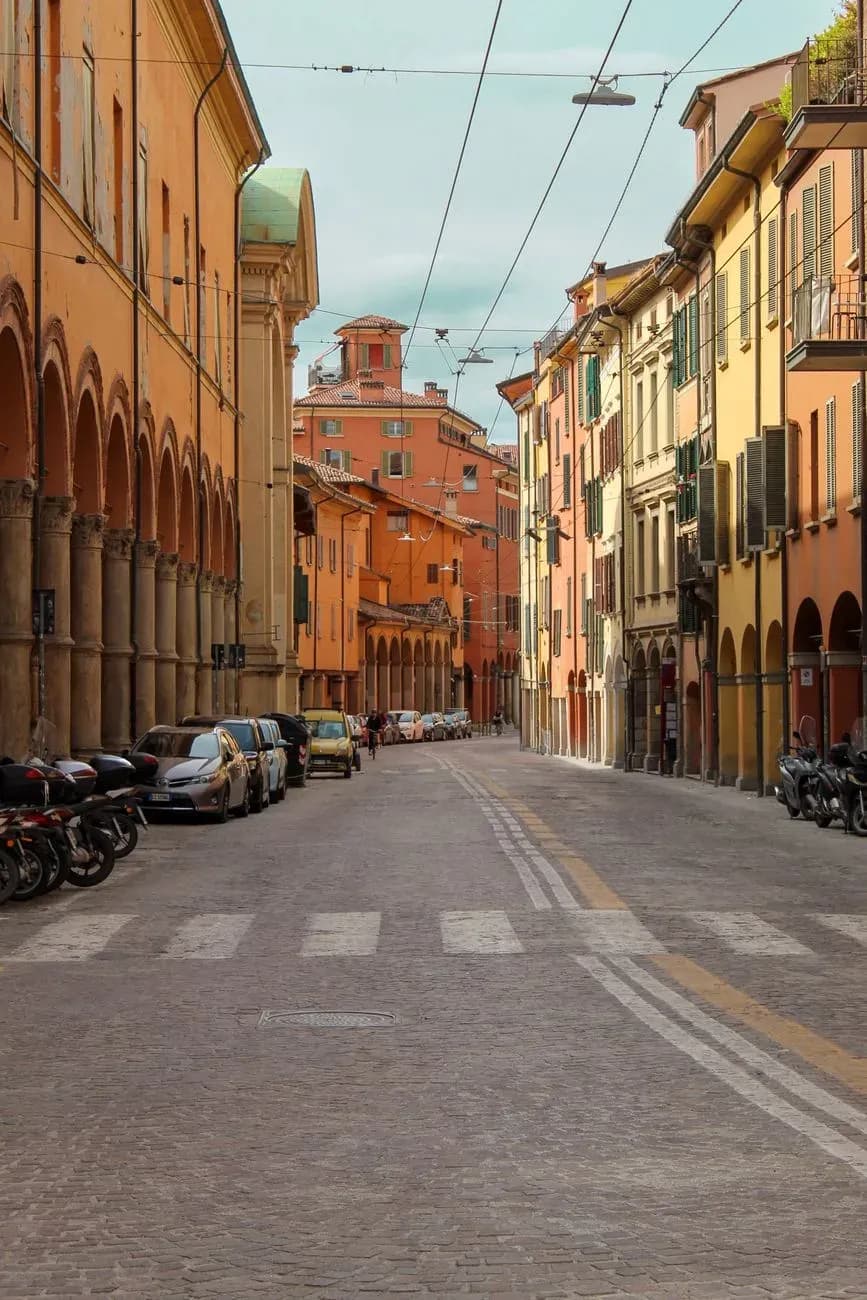
The centre of Bologna has a dense, intricate medieval layout that is almost entirely pedestrianised or subject to a strict ZTL monitored by the Sirio camera system. For this reason, anyone arriving by car or camper van must plan their logistics well in advance: your best bet is to leave your vehicle in park-and-ride facilities such as Tanari, or base yourself at equipped sites outside the city gates such as Centro Turistico Città di Bologna, heading into the centre on Tper urban buses or simply strolling beneath the porticoes.
This 4-day itinerary balances the artistic and culinary richness of the urban area with well-timed escapes into the countryside. Visiting the city requires a pragmatic approach: many historic venues and museums have limited capacities and demand timed entry slots, while the best-known osterie fill up fast, leading to long waits if you misjudge your timings. It is wise to tackle the main piazzas early in the morning and group sights by neighbourhood to cut down on unnecessary backtracking.
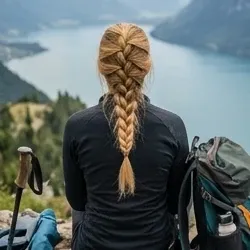
Broadening your range towards the Colli Bolognesi and the Appennino changes the scenery completely. The landscape opens onto calanchi, vineyards, and mountain reservoirs, offering a welcome alternative to the bustle of the university quarter. Areas such as Valsamoggia or the territory of Camugnano let you weave walking trails and open-air breaks into your trip, ideal for resetting your pace after tackling the narrow lanes of the Ghetto Ebraico or the university district.
How to structure your four days
Day 1 — The civic core and the ancient university
Morning
Start your day in the Centro Storico by crossing Piazza Maggiore, the city's medieval living room flanked by historic palazzi and Palazzo del Podestà. Time this for early morning before the crowds roll in, allowing around 45–60 minutes to take in the exterior architecture and the bronze Fontana del Nettuno, a Renaissance masterpiece by Giambologna and a classic local meeting spot. Right next door is the Basilica di San Petronio, dominating the same square. One of Europe's largest Gothic churches, it is famous for its unfinished façade and the longest indoor meridian line in the world. General admission is free, though specific areas charge a fee; 45 minutes is plenty for the interior.
Afternoon
Staying around Piazza Maggiore, keep a close eye on your afternoon timings. The climb up the Torre dell'Orologio e Collezioni Comunali d'Arte takes you to a panoramic terrace looking straight over the piazza and gives you a close-up view of the clock mechanism. The visit takes about 45 minutes, but entry is strictly by mandatory timed-entry booking. A short walk away in the Galvani district sits the Palazzo dell'Archiginnasio e Teatro Anatomico. This former university seat is celebrated for walls coated in heraldic coats of arms and its historic spruce-wood anatomical theatre. Here too, you will need to book online in advance.
Evening
Head to the Zona Universitaria on Via Mentana for dinner. Osteria dell'Orsa is an iconic student haunt, renowned for affordable staples like lasagne and tagliatelle. They do not take bookings under any circumstances: to dodge an hour-long queue, turn up outside at least 20 minutes before the evening opening time.
Day 2 — Medieval mazes and hidden canals
Morning
Your second day centres on the Santo Stefano district. Facing its distinctive triangular piazza, the Complesso di Santo Stefano (Sette Chiese) is a sacred medieval maze woven from several Romanesque buildings and cloisters. Allow about an hour to explore. Right nearby, step inside the Museo della Storia di Bologna - Palazzo Pepoli, which traces the city's urban evolution from Etruscan times to the present through multimedia, interactive displays. Expect to spend around an hour and a half; if you visit over the weekend, advance booking is strongly recommended to guarantee entry.
Afternoon
Around midday, head to Via Ugo Bassi to visit the Mercato delle Erbe. This historic covered market retains its traditional fresh-produce stalls alongside spaces dedicated to local street food, perfect for a quick bite. Afterwards, wander towards the Ghetto Ebraico and the Delle Moline area to find the Finestrella di Via Piella. It is just a quick 10–15-minute photo stop, framing a glimpse of the Canale delle Moline that creates the illusion of a secret underground waterway.
Evening
Stay along the canals for dinner at Trattoria dal Biassanot on Via Piella. Tables look out over the waterway, and the menu leans into hearty dishes like gramigna with sausage, cotoletta alla bolognese, and fried meatballs. Alternatively, just around the corner on Via delle Belle Arti, Trattoria Anna Maria serves tortellini in capon broth and tagliatelle al ragù crafted with fresh pasta rolled out with a pin, honouring the classic art of the local sfogline.
Day 3 — Endless porticoes and rolling hills
Morning
This morning calls for a lengthy walk starting from the Saragozza district along the Portico e Santuario della Madonna di San Luca. This is the world's longest continuous portico: nearly 4 kilometres of uphill walking under 666 arches, leading up to the sanctuary atop the Colle della Guardia. From the top, you get sweeping views over the surrounding landscape. The complete return journey on foot at a steady pace takes between 2 and 3 hours.
Afternoon
In the afternoon, leave the city bounds by car or camper van for Valsamoggia, home to the Parco Regionale Abbazia di Monteveglio. This green haven spans the Bolognese hills, showcasing a landscape of exposed clay calanchi and vineyards, crowned by an ancient fortified church. It is an ideal spot for walking trails or for camper travellers seeking wide-open spaces far from urban bustle.
Evening
Heading back towards the city gates, make your way to the Saffi neighbourhood on Via della Secchia for dinner at Trattoria dell'Autotreno. It is an unpretentious, historic local favourite packed with regulars. Standout orders include warm, freshly fried crescentine served with cured meats, and generous portions of traditional cotoletta alla bolognese.
Day 4 — Heading high into the Appennino Bolognese
Morning
Dedicate your final day entirely to the Appennino Bolognese by travelling towards Camugnano. The Parco Regionale dei Laghi di Suviana e Brasimone is a prime outdoor destination, perfect for hiking enthusiasts and road-trippers alike. The area features vast mountain reservoirs and a dense network of waymarked CAI trails, where you can hike for hours through the woods, thoroughly detached from city life.
Afternoon
After your morning walks, settle into a slower rhythm along the lakeshores. The park features several picnic areas and ample parking bays for camper vans, making life easy for anyone spending the weekend at a rural pace, perhaps basing themselves at a spot like La Guardata, a mountain refuge overlooking the reservoir.
Evening
Wrap up your trip with a clear change of culinary pace back near the edge of the historic centre, in Piazza Malpighi. Here, Osteria Bartolini swaps classic Bolognese meat dishes for a menu dedicated entirely to seafood from the Mare Adriatico. With an outdoor seating area shaded by a centuries-old plane tree, it specialises in light fried seafood platters and skillet-cooked sardoncini.
Practical tips for smooth logistics
- If you plan to visit civic museums, join a walking tour, or climb the Torre dell'Orologio, it is often well worth buying the Bologna Welcome Card (Easy or Plus). Keep in mind, however, that holding the card does not exempt you from booking a timed entry slot for high-demand sites like the Teatro Anatomico.
- Piazza di Porta Ravegnana is currently affected by long-term building works: the Torre degli Asinelli and surrounding areas are subject to extended closures while safety works are carried out on the neighbouring Garisenda. Check the latest status at the Piazza Maggiore infopoint before heading there.
- Camper van travellers will find the Appennino a superb escape: the Parco dei Laghi di Suviana e Brasimone offers equipped pitches right on the lakeshores alongside straightforward access to hiking routes.
- To secure a table at the historic trattorie in the centre over the weekend, book several days ahead. At places that do not accept reservations under any circumstances, queuing outside before opening time is essential.
Where to stay: handy bases
Surrounded by greenery on the outskirts of the city, offering hotel rooms, a restaurant, and a camper van rest area.
View on Booking →Outdoor mountain refuge featuring a camper van rest area and direct views over the Bacino del Brasimone.
View on Booking →Rural eco-campsite set in the Bolognese hills, strategically located along the Via Mater Dei route.
View on Booking →