

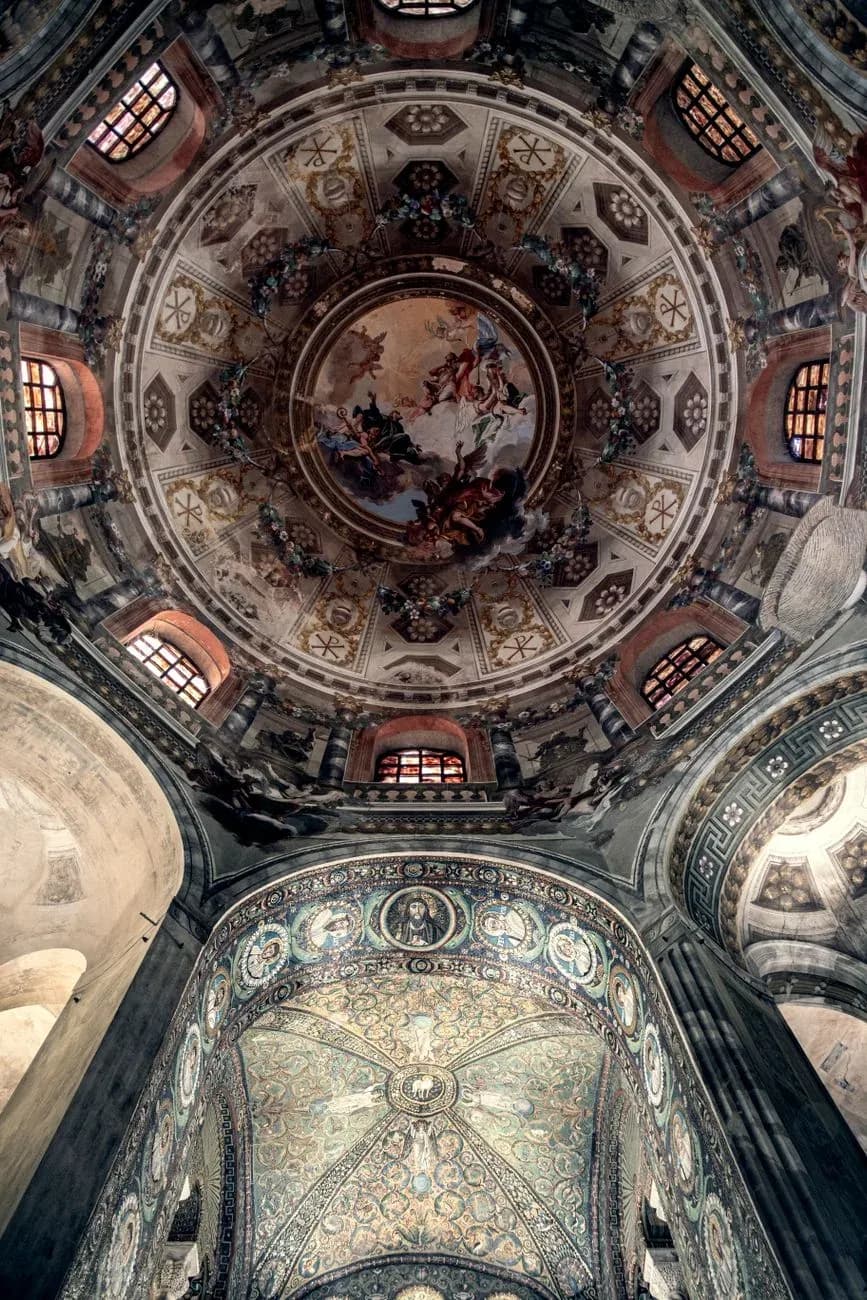
Exploring the eastern fringe of Emilia-Romagna calls for an unhurried rhythm, set between coastal humidity and the rising slopes of the Appennino. The best months for the journey run from late April to June and then from September into early autumn. In these windows you avoid the summer peak of July and August, along with the heat that makes wandering through historic centre alleyways or across sun-drenched quays rather exhausting.
The itinerary is designed for those travelling by car or camper van. Distances are manageable, yet having your own wheels is essential to move independently from coastal pine woods to inland lagoons: Comacchio lies 35-40 minutes north of Ravenna, Cesenatico is half an hour south along the statale road, while reaching Brisighella or Valmarecchia takes 45 to 60 minutes behind the wheel. Camper van travellers will find a well-organised area, with dedicated overnight rest areas averaging around 20 euro per night and car parks within easy reach of key sights.
With a little advance planning, keeping costs under control is straightforward. Leaving aside accommodation at places like Hotel Diana in Ravenna or Hotel La Meridiana in Brisighella, the average daily budget sits between 55 and 85 euro per person. That allows you to combine quick lunches of piadina romagnola (between 8 and 12 euro) with more elaborate dinners in classic meat or seafood trattorie (between 35 and 50 euro), while also covering the 12-16 euro needed for combined admission tickets to museums and monumental complexes.
How to plan your weekend between coast and countryside
Day 1 — Ravenna, capital of mosaics
Morning
Your first day begins in the historic centre of Ravenna. Because the entire area is governed by electronic ZTL cameras, your best bet is to leave the vehicle in one of the outer park-and-ride facilities and continue on foot. The route starts at the Basilica di San Vitale, an Early Christian masterpiece and UNESCO World Heritage site; allow around 45 minutes for the visit. Just a few steps away sits the Mausoleo di Galla Placidia, famed for its vault blanketed in blue and gold tesserae forming a starry sky. Access here is limited to around 15 minutes, so you will need to book a specific time slot online with your combined ticket to dodge the queues. Walking across to Piazza Duomo, you step inside the Battistero Neoniano, an octagonal building adorned with mosaics depicting the Baptism of Christ, which takes about half an hour. For lunch, stay in the historic centre and grab a table at Trattoria La Bella Venezia, an established spot for hearty home-style Romagna cooking.
Afternoon
After lunch, walk along Via di Roma to visit the Basilica di Sant'Apollinare Nuovo, erected by Theodoric, where sweeping mosaic friezes along the walls depict the procession of martyrs and virgins. Plan on spending roughly three quarters of an hour here. Strolling back into the central streets brings you to the Tomba di Dante e Zona del Silenzio, near the Basilica di San Francesco: the neoclassical resting place of the Sommo Poeta warrants a quick 20-30 minute stop in the quiet pedestrian precinct. Collect your car and drive just outside the city to Classe to admire the Basilica di Sant'Apollinare in Classe, with its apse mosaics and round bell tower. Should your visit fall on a Sunday, bear in mind that tourist admission does not open until 14:30 to avoid clashing with church services.
Evening
Head back into the historic centre of Ravenna for dinner. A choice deeply rooted in local habits is Trattoria Al Cerchio, well known for its handmade fresh pasta and traditional regional recipes.
Day 2 — Fresh and salt waters: Comacchio and Cesenatico
Morning
A 35-40-minute drive north brings you into the Parco del Delta del Po. The day kicks off on the water with a boat trip on the Valli di Comacchio in battello. Lasting around an hour and a half to two hours, the cruise offers sightings of historic fishing huts and pink flamingo colonies; advance booking is essential. Once back on dry land, explore the historic centre of Comacchio on foot, a lagoon town whose landmark is the Ponte dei Trepponti, a 17th-century fortified bridge featuring multiple stairways that span the inland canals.
Afternoon
Get back behind the wheel heading south, bypassing Ravenna and driving along the statale road for about an hour in total until you reach Cesenatico. The canal port area hosts the Museo della Marineria - Sezione Galleggiante e a Terra. The visit, taking around an hour, starts inside the pavilion and continues outdoors, where ten traditional wooden boats with their distinctive lug sails (vele al terzo) bob in the water. Leaving the museum behind, stroll along the Porto Canale Leonardesco, the historic waterway designed in 1502 from drawings by Leonardo da Vinci, framed by period quaysides and handsome old palazzi.
Evening
Staying in Cesenatico, you have two appealing options along the harbour. For sunset aperitivo drinks or a dinner of fresh fish and monfettini pasta, head to Marè | Cucina Caffè Spiaggia Bottega, an airy venue with beachside tables out on Molo di Levante. Alternatively, over on Viale Lungomare Ponente, Ristorante Da Urbano offers large picture windows overlooking the canal, hand-rolled egg pasta and Adriatic grilled fish.
Day 3 — Inland keeps and covered passageways
Morning
Leave the coast behind and drive 45-60 minutes towards the Appennino foothills. Your destination is the historic centre of Brisighella, where you can wander along Via del Borgo (Via degli Asini). This elevated 14th-century street was built inside an arched portico and is illuminated by a row of crescent-shaped windows. Before leaving the village, sit down for lunch at Osteria del Sale, set along the ancient salt trading route and featuring a lovely summer garden; reservations are recommended.
Afternoon
The route continues into the province of Rimini. Your first stop is Borgo San Giuliano, the ancient fishermen's quarter linked to the historic centre by the Ponte di Tiberio. Its maze of lanes is dotted with vibrant murals paying homage to the films of Federico Fellini (keep an eye out for ZTL cameras here too, and park outside the perimeter). Afterwards, drive up the Valmarecchia to the Fortezza di San Leo. This medieval military stronghold perches on a sheer rocky spur, commanding sweeping views down the valley to the sea. Visitors arriving by car or camper van can use the dedicated car park and reach the fortress via a ten-minute walk or a shuttle bus that runs during peak periods.
Evening
Wrap up your itinerary in Santarcangelo di Romagna, pulling up in Piazza Ganganelli. Dinner is at Ristorante La Sangiovesa, celebrated for its piadina, locally sourced meats, rolling-pin-stretched pasta and generous cellar of regional Sangiovese.
Top tips for smooth planning
- A car or camper van is essential to connect Ravenna with the coastal lagoons and hillside villages: Comacchio is 35-40 minutes north of Ravenna, Cesenatico sits 30 minutes south, while Brisighella and Valmarecchia take around an hour towards the Appennino.
- Electronic ZTL restrictions are enforced in both the historic centre of Ravenna and Rimini (including Borgo San Giuliano). Park in the outer park-and-ride areas and continue on foot or by bicycle to steer clear of fines.
- To visit Ravenna's UNESCO sites, purchase the combined online ticket from the Opera di Religione in advance, making sure to reserve your entry time for the Mausoleo di Galla Placidia right away, as spots are limited.
- If you are touring in a camper van, local rest areas average 20 € per night. In San Leo there is a dedicated car park just a ten-minute walk from the fortress, also served by a seasonal shuttle bus.
- The ideal time for this trip is from late April to June and from September into early autumn, when you will avoid the intense heat and heavy crowds of July and August.
Where to stay overnight
Upscale 5-star seafront hotel set close to the lighthouse, featuring an on-site spa and a panoramic restaurant.
View on Booking →Charming, well-kept property overlooking the main canal running through the town's historic centre.
View on Booking →Welcoming hotel with a garden and car park, making a practical base to tour the surrounding hills and village centre.
View on Booking →