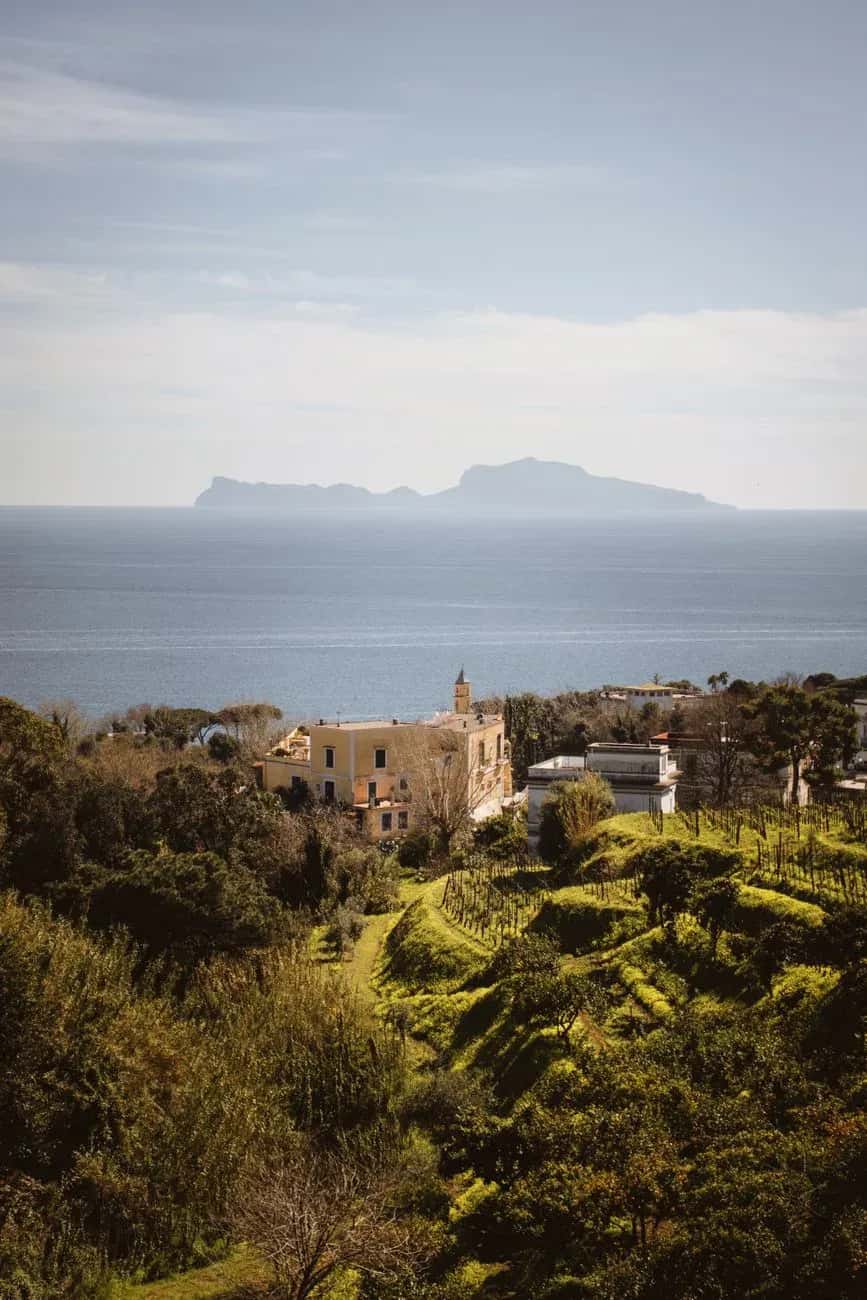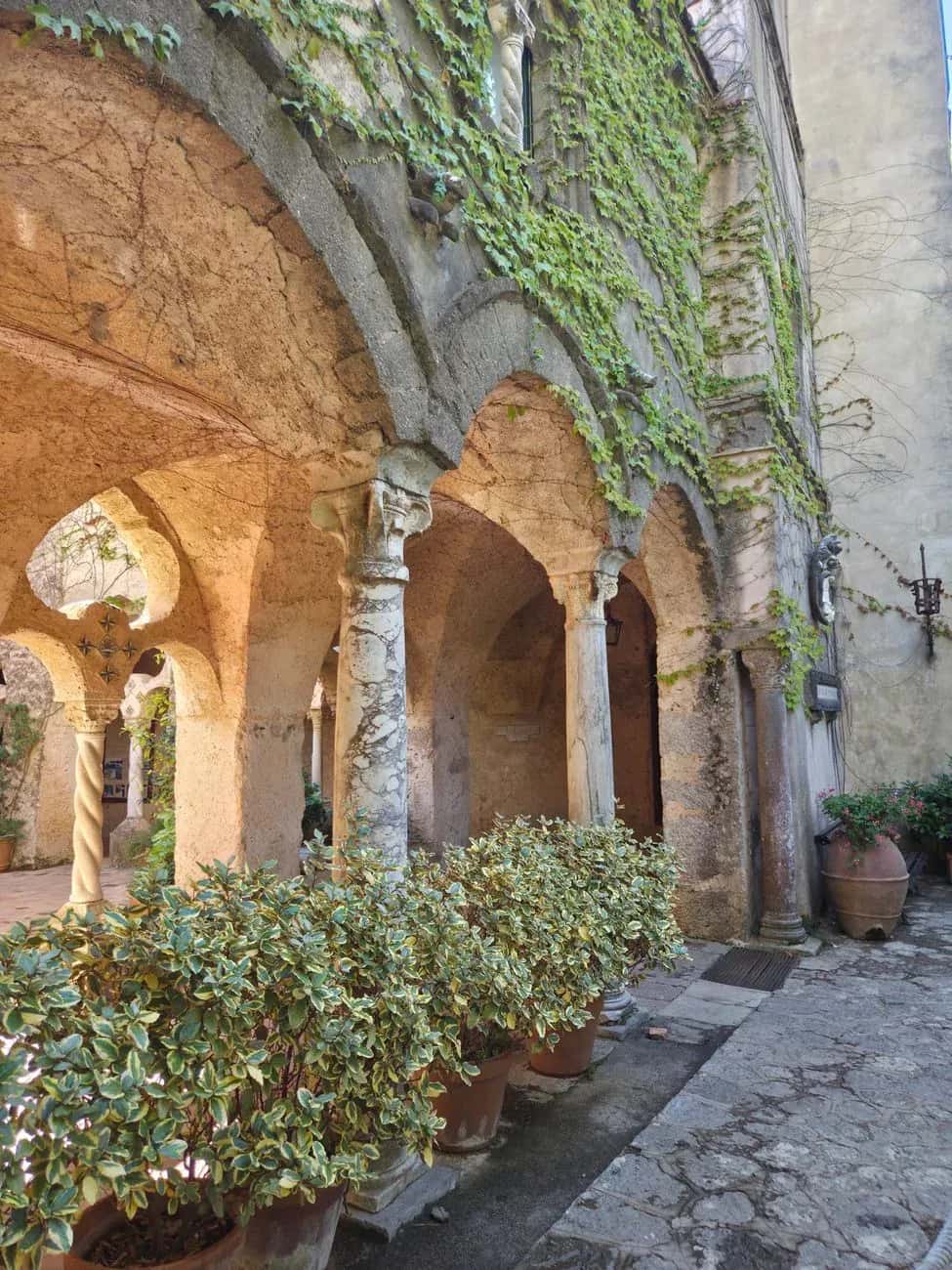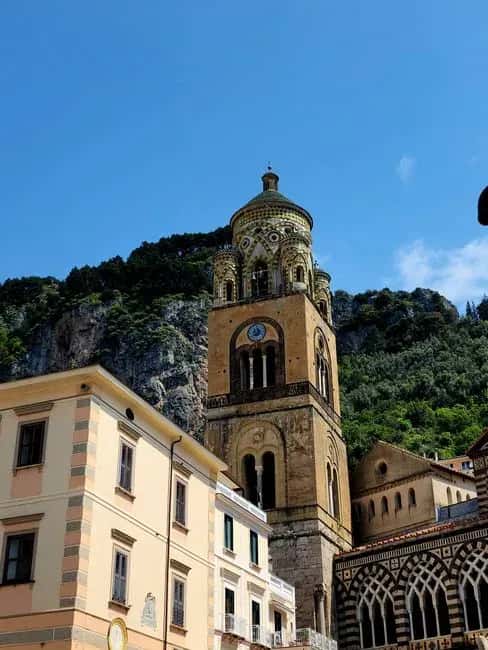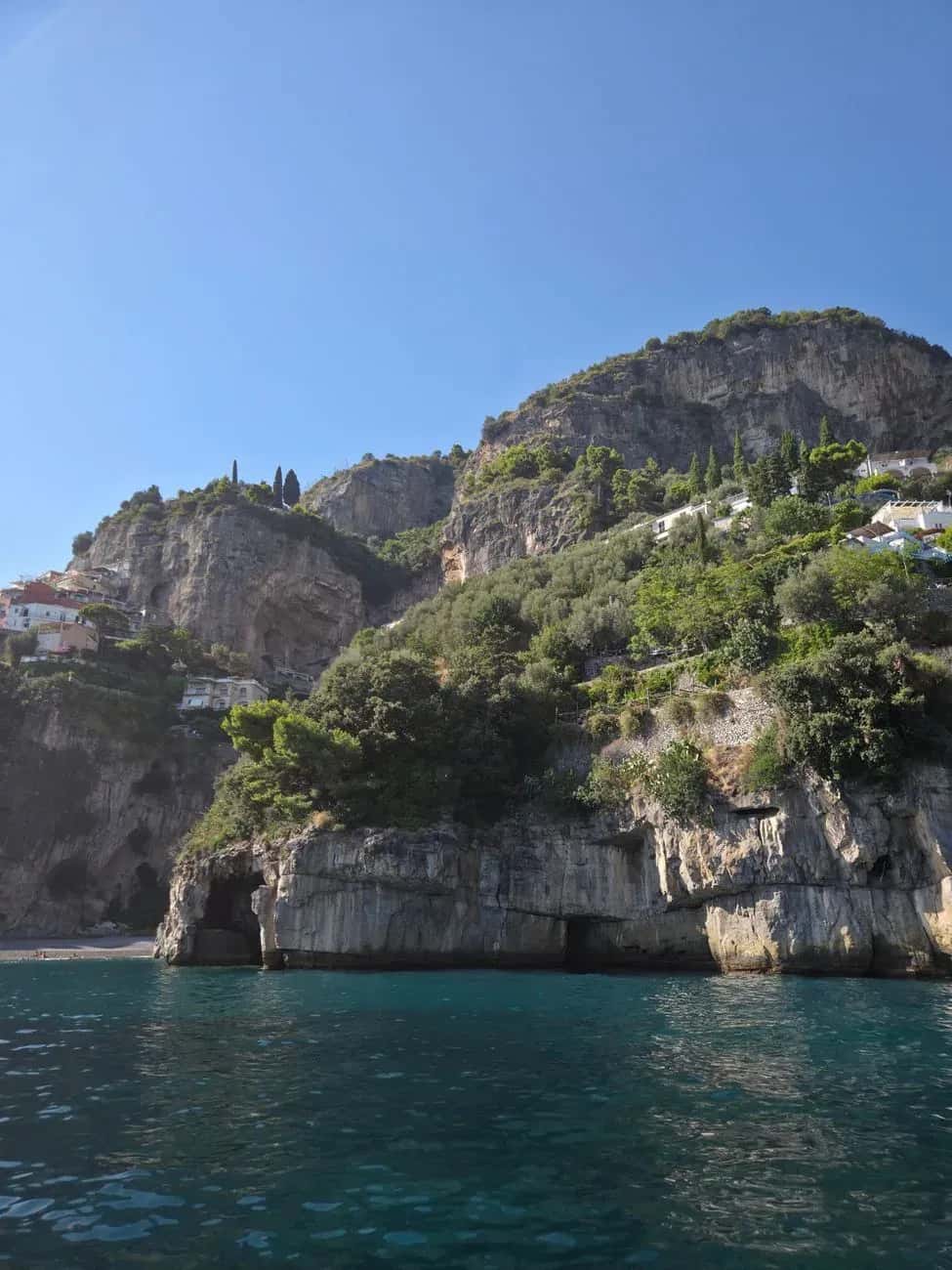

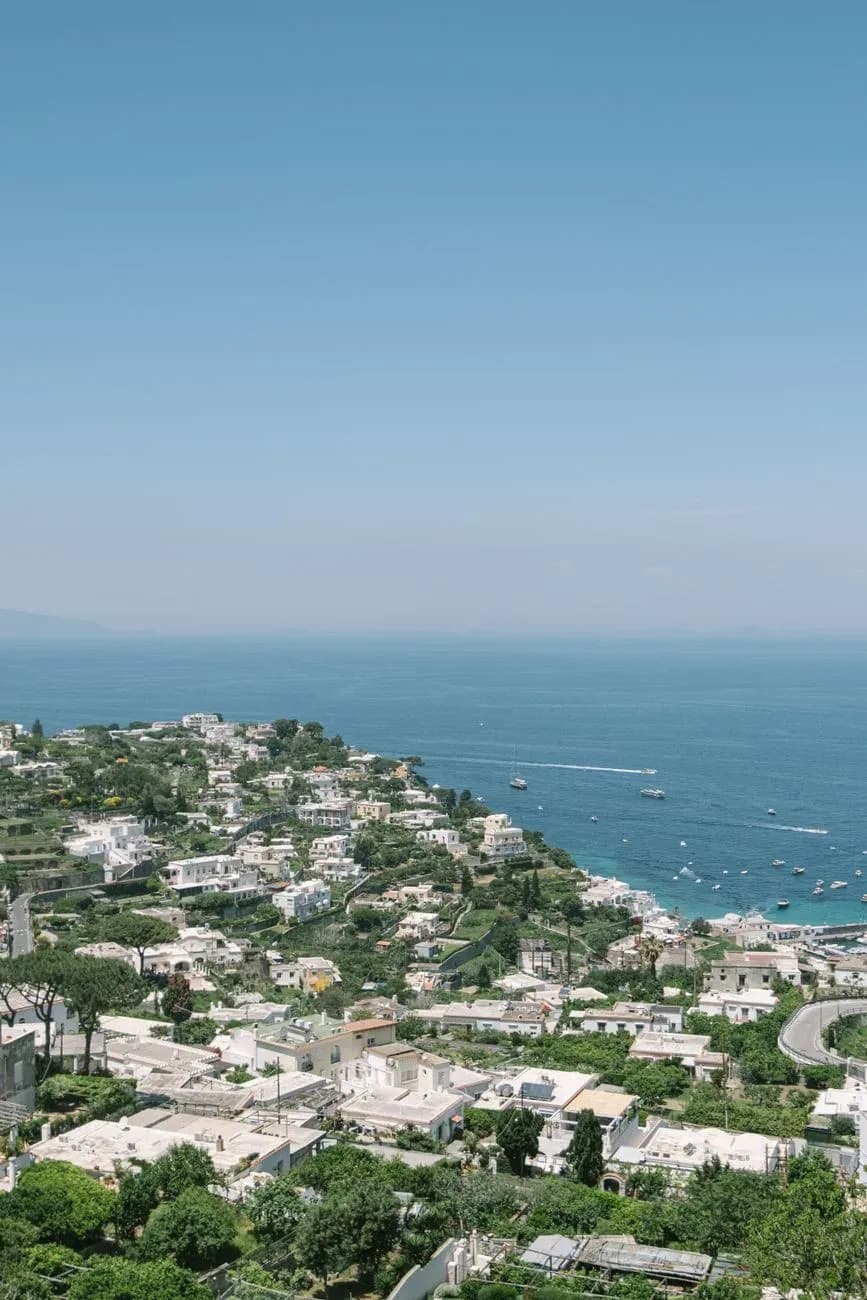
The island has two distinct souls. On one side, gleaming shopfronts, the crush around the Funicolare and packed café tables; on the other, bare limestone, sweeping winds and endless stone steps. A rushed day trip simply won't reveal the true character of this craggy outcrop. Spending three days in Capri lets you slip into the local rhythm, simply waiting for the last afternoon ferry to leave so you can enjoy the narrow lanes almost entirely to yourself.
Between the two main municipalities wind steep footpaths, coppice woods and quiet historic villas that weekend day-trippers miss for lack of time. Walking is the only genuine way to get around once you leave the main streets, taking on sharp inclines and cliff-edge trails that demand a bit of stamina and proper footwear.
Three days, an unhurried pace
Day 1 — From panoramic terraces to Tiberius's woods
Morning
Start from the island's geometric centre, but head straight towards the Giardini di Augusto and Via Krupp. To dodge the morning queues at the entrance, book your ticket online in advance. From up here, floral terraces look directly down onto the faraglioni and the famous hairpin bends below. If the sky clouds over, the nearby Certosa di San Giacomo—founded in the 14th century—features spacious cloisters and houses the works of painter Karl Wilhelm Diefenbach, making it an ideal wet-weather option.
Afternoon
For lunch, take a short stroll to Via Le Botteghe. At Pescheria Le Botteghe you can eat perched on casual stools: fried squid, raw tartares and daily catches served without fuss. Right after, tackle the long climb towards Monte Tiberio. It takes around 35–45 minutes of steep walking to reach Villa Jovis, a colossal imperial residence perched over the sea, open from 10:00 (closed on Mondays). An extra hour's stroll through the greenery brings you to nearby Villa Lysis, an Art Nouveau and Neoclassical villa built in 1904 for Count d'Adelswärd-Fersen. Before heading down, Parco Astarita offers a free lookout with cantilevered terraces and goats roaming freely across its five hectares of parkland.
Evening
Back in town, Piazza Umberto I (La Piazzetta) shows its best side: at sunset, the day-trippers have departed and the atmosphere at the outdoor tables shifts completely. For a dinner free from surprises on the bill, Ristorante Pizzeria Verginiello on Via Lo Palazzo serves ravioli capresi and homestyle cooking at fair prices. If you have energy left for a late night, there is live music and Neapolitan tunes at Taverna Anema e Core on Via Sella Orta, a legendary nightlife haunt where things heat up from 23:00 until dawn.
Day 2 — The high heights of Anacapri
Morning
Your second day takes you higher. Hop on a minibus to Anacapri to reach Monte Solaro and Seggiovia, the island's highest point at 589 metres. The single-seater chairlift from Piazza Vittoria takes an effortless 13 minutes, while hiking up from Piazza della Pace takes roughly an hour of steep walking. On your way down from the summit, a 20-to-30-minute detour on foot leads to Eremo di Cetrella, a small 14th-century Franciscan church embedded directly into the mountainside rock.
Afternoon
Enjoy a hearty lunch at Ristorante Le Arcate on Viale Tommaso de Revello, celebrated for its wood-fired pizza, generous portions and homely atmosphere. Spend the afternoon wandering through the town's lanes. Stop at Villa San Michele, the house-museum of Swedish physician Axel Munthe, renowned for its archaeological relics and the Egyptian sphinx perched on the cliff-edge terrace. Then take 15–20 minutes to see the Chiesa Monumentale di San Michele Arcangelo, famous for its 1761 majolica floor depicting Adam and Eve expelled from the Garden of Eden. Finish with the Museo di Casa Rossa, an eclectic Pompeian-red residence displaying local paintings and ancient Roman statues recovered from the Grotta Azzurra.
Evening
Staying in Anacapri for dinner makes for a considerably quieter evening than around the Piazzetta. Ristorante Pizzeria Aumm Aumm on Via Caprile is a favourite local haunt: it serves thin-crust pizzas at reasonable prices, stays open late, and keeps a relaxed neighbourhood feel.
Day 3 — Cliffs, historic forts and sunsets
Morning
Your final day calls for sturdy trainers. The Sentiero dei Fortini Borbonici skirts the western coast, tracing a rugged landscape of rock and low scrub. The trek takes 3–4 hours on foot over uneven terrain, passing the 19th-century coastal fortifications of Pino, Mesola and Orrico. It is best to start from the Grotta Azzurra area and walk south towards Punta Carena, keeping the sun at your back.
Afternoon
The long coastal path ends at Faro di Punta Carena, on the south-western tip of the island. The rocky shoreline here is one of the best spots for a swim, dipping straight off the rocks into deep, clear water. The historic lighthouse is still active, and the headland is the ideal place to sit with a drink and watch the sunset, with unobstructed views stretching right across the open sea.
Evening
For your final dinner, head down towards Marina Grande at Palazzo a Mare. Ristorante Da Paolino is an island classic, with tables set under a dense canopy of lemon trees. The spaghetti al limone and fresh catch make it an essential stop, but you must book well in advance as tables go fast.
Tips for planning your trip
- Forget about bringing a car to get around: non-resident vehicles are banned for most of the year. The town centres are entirely pedestrianised, while the Funicolare links Marina Grande to Capri in around 5 minutes. Minibuses connect Capri to Anacapri in 15 minutes and run to the Faro and the Grotta Azzurra.
- On Sunday evenings or at the end of the weekend, hydrofoils and ferries back to Napoli and Sorrento frequently sell out. Buy your return ticket in advance so you don't risk getting stranded on the island.
- Before starting the paved climb up to Monte Tiberio, which takes up to 45 minutes of sustained effort, stop by the tourist office under the Piazzetta clocktower to confirm that Villa Jovis and the other sites are indeed open that day.
- There are no drinking water points along the Sentiero dei Fortini. Carry plenty of water, wear shoes with good tread, and avoid walking during the hottest hours of the day in summer.
- High heels and slippery soles are useless on the cobbles, steep flights of steps and constant gradients of the alleyways. Stick to comfortable flat footwear or traditional flat Capri sandals.
Where to stay
A four-star hotel just steps from the Giardini di Augusto and Via Camerelle, right in the heart of town.
View on Booking →A historic property close to the Monte Solaro chairlift and minibus stops, ideal for getting around easily.
View on Booking →A boutique hotel with vineyard gardens and sun terraces, about a ten-minute walk from the Piazzetta.
View on Booking →