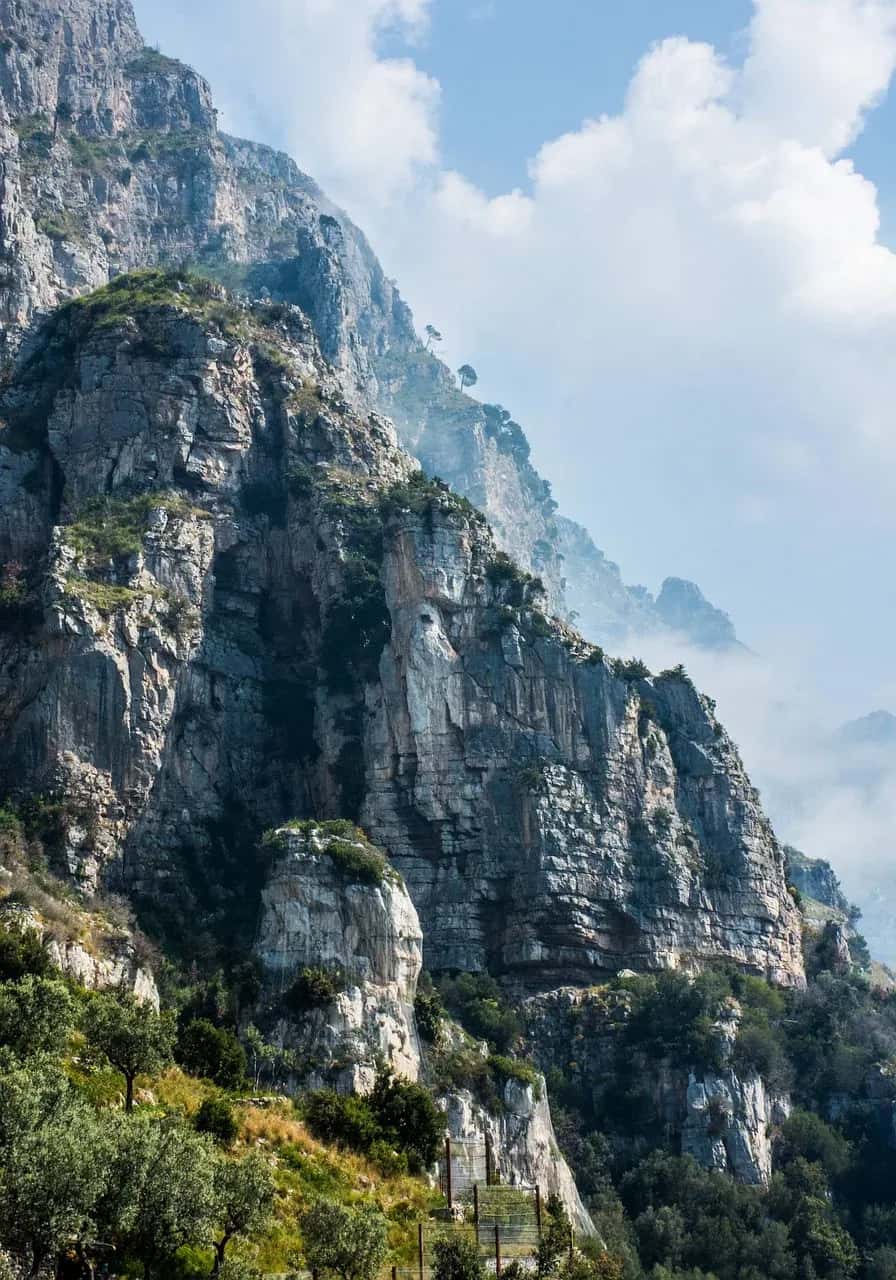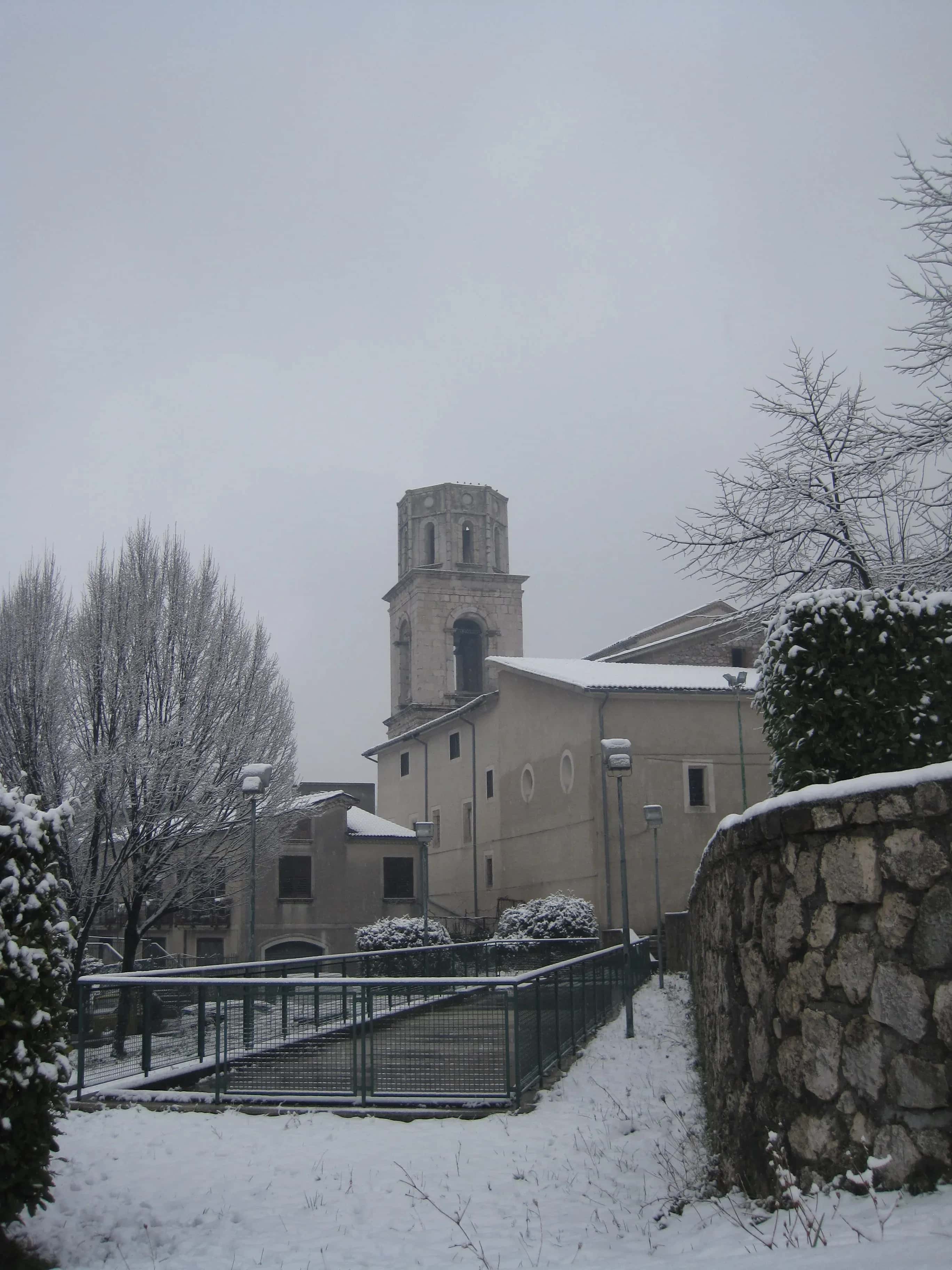

Capri changes face at five o'clock on the dot. As the last hydrofoils laden with day-trippers cast off from the harbour, the historic villages slip back into their true rhythm. To really understand the island, you need to stay at least two nights, ideally planning your visit for May–June or September–October. The weather lets you walk the trails without suffocating heat and swim in a sea that is still warm, all while avoiding the unmanageable crowds of high summer.
Non-residents cannot bring cars onto the island for most of the year, but getting around is straightforward using the local network. From the harbour at Marina Grande, the funicular whisk you up to the centre in five minutes. To reach Anacapri, hop on the small public minibuses, which tackle a ten to fifteen-minute ride packed with hairpin turns and sheer cliff drops. The rest is best done on foot, along dirt trails or paved pedestrian lanes.
Three Days on the Island: The Walking Itinerary
Day 1 — From the Historic Centre to the Limestone Cliffs
Morning
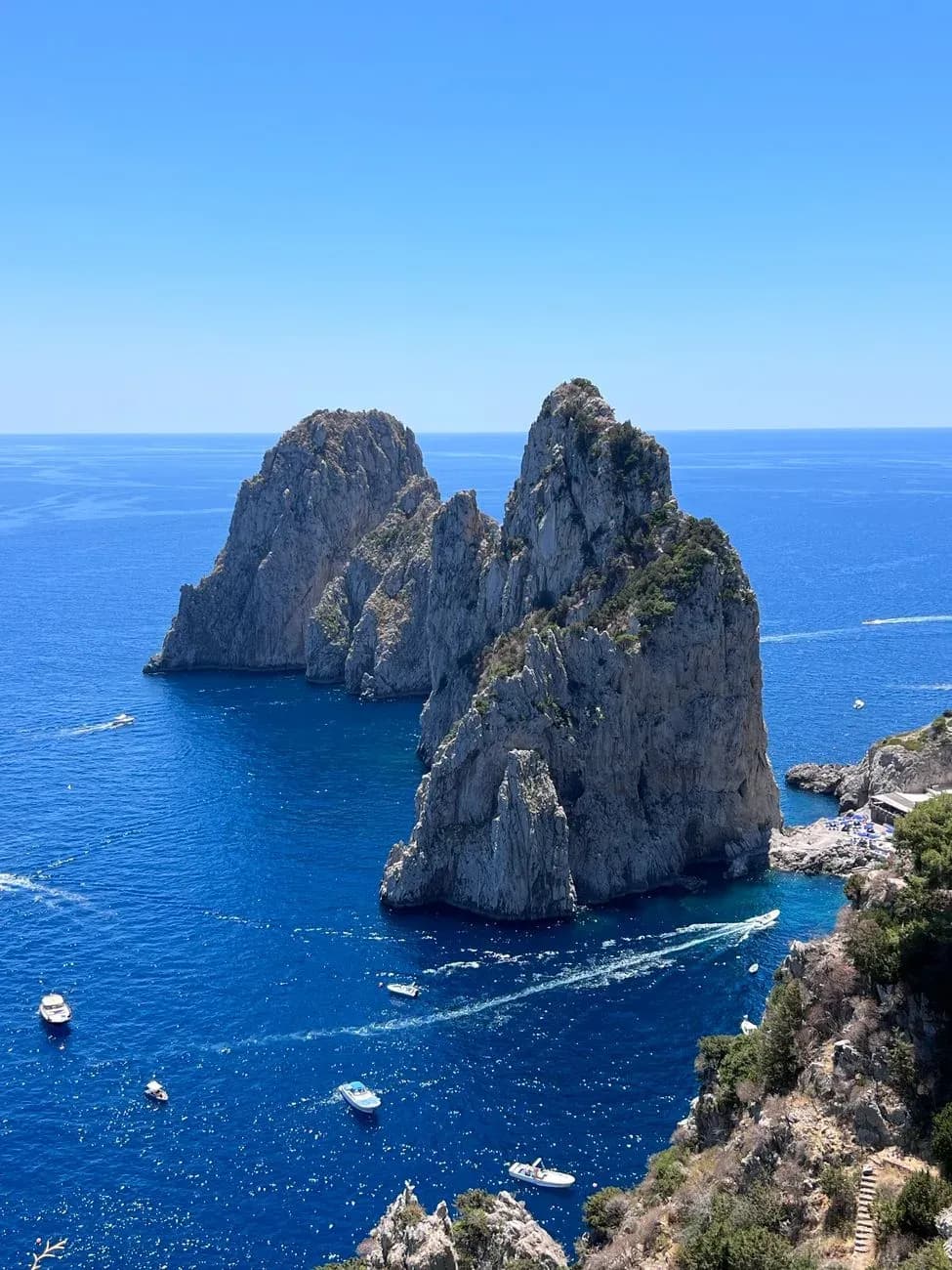
The island's nerve centre is Piazza Umberto I (La Piazzetta). Take a seat for a coffee opposite the clock tower before setting off towards the Giardini di Augusto e Via Krupp. The visit takes thirty to forty-five minutes and lets you gaze down at the Faraglioni from flower-filled terraces, alongside the dramatic hairpin bends cut into the rock below. Continuing on foot brings you to the Belvedere di Tragara, at the end of the street of the same name, which offers a direct view of the iconic limestone sea stacks. For lunch, just a short walk away in the centre of Capri, head to Pescheria Le Botteghe: a fishmonger's counter that serves raw seafood, tartares and seafood rolls by day.
Afternoon
The viewpoint marks the start of the Sentiero del Pizzolungo e Arco Naturale, a loop trail exploring the island's eastern flank. Allow around two hours of walking surrounded by Mediterranean scrub. The route takes in the Grotta di Matermania and passes above the bold, boxy silhouette of Villa Malaparte. With uneven ground and long sun-exposed stretches, take plenty of water and wear shoes with good grip, as the limestone is often slippery with humidity.
Evening
Dine at Ristorante Verginiello, a long-standing trattoria and pizzeria just steps from the Piazzetta. It is well known for fresh seafood and ravioli capresi, with prices that remain remarkably fair for the historic centre.
Day 2 — The Waters of the Gulf and the Heights of Tiberius
Morning
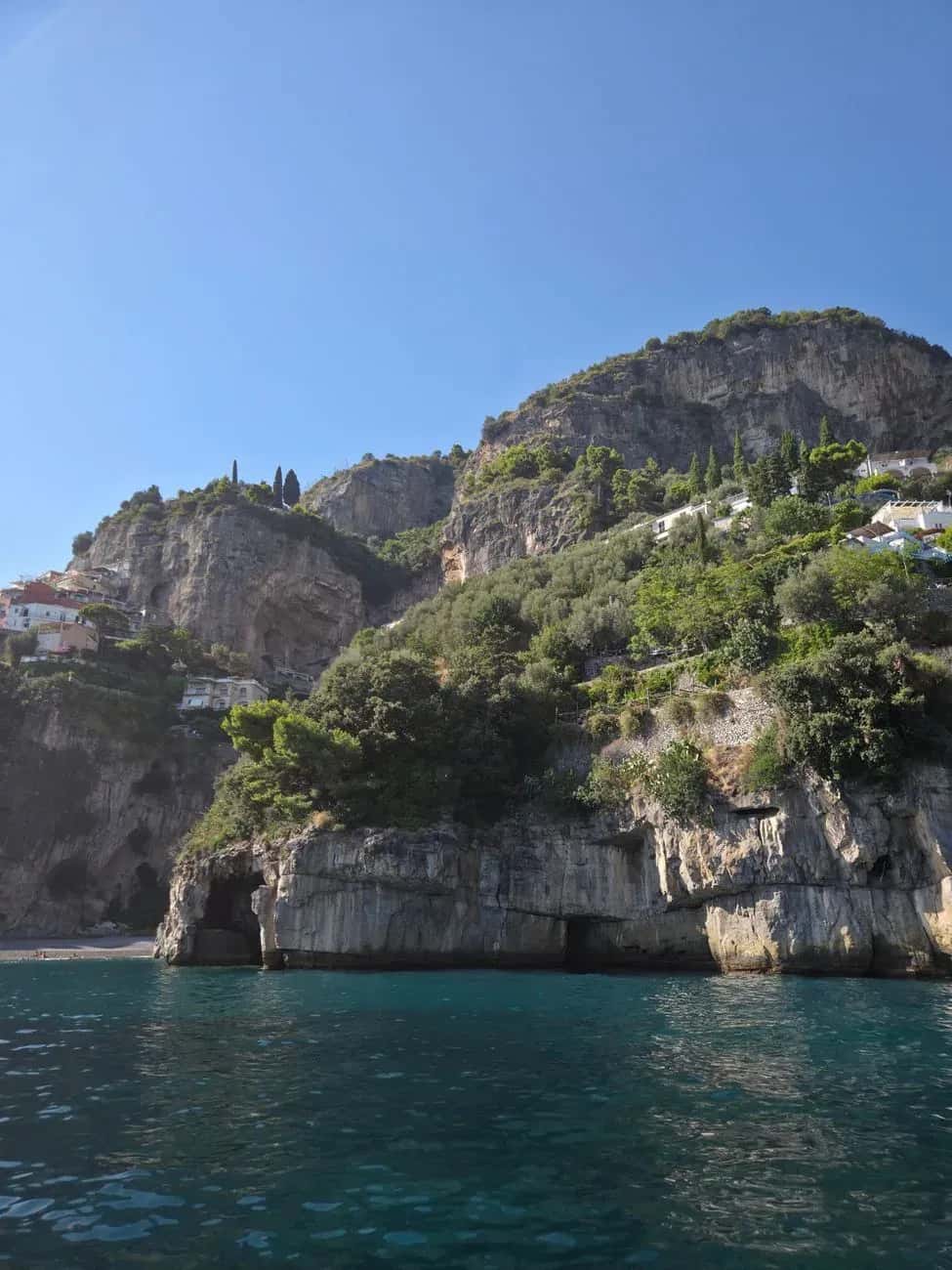
Start the day at the harbour of Marina Grande by boarding the Tour in barca dell'isola e Faraglioni. The outing on a traditional gozzo caprese lasts around two hours, skirting sheer cliffs and gliding past the Grotta Verde. Given the high demand, book a few days ahead. Afterwards, head over to the Baia di Marina Piccola, a natural cove sheltered from the wind. Its small pebble beaches and beach clubs look straight out towards the Faraglioni, providing a calm spot for a few hours by the water.
Afternoon
From the centre of Capri, head up towards Monte Tiberio to reach Villa Jovis. Walking up to the imperial residence takes forty-five minutes of steady climbing along pedestrian lanes. The Roman archaeological remains cover the entire summit of the eastern promontory, showcasing the sheer scale of Tiberius's estate.
Evening
Head over towards Via Palazzo a Mare for dinner at Ristorante Da Paolino. Tables are set outdoors under the branches of a lemon grove. The menu features the catch of the day and spaghetti al limone. Tables need to be booked well in advance, especially at weekends.
Day 3 — The Heights of Anacapri and the Western Lighthouses
Morning
Catch the earliest minibuses up to Anacapri to visit the Grotta Azzurra. You enter lying flat on the bottom of small wooden rowing boats. Arriving early keeps queuing in the sun to a minimum, but always check at the quayside first to confirm that currents and tides allow entry. Back in the village, visit Villa San Michele, Swedish author Axel Munthe's cliff-edge home packed with classical antiquities.
Afternoon
From nearby Piazza Vittoria, take the single-seater chairlift up to Monte Solaro. In twelve minutes you reach 589 metres, the island's highest point, with sweeping views across the Golfo di Napoli. Walking back down, you will come across the Eremo di Santa Maria a Cetrella, a fourteenth-century hermitage tucked into the greenery. If you still have energy, tackle the Sentiero dei Fortini Borbonici along the west coast. The hike takes three to four hours and links the Grotta Azzurra to the Faro di Punta Carena. The rocky platforms below the lighthouse are great for a swim and offer front-row seats for the sunset.
Evening
Stay in the historic centre of Anacapri to round off the day at La Zagara Wine Bar & Ristorante, where tables sit under an old lemon grove serving Mediterranean-inspired dishes.
Practical Tips for Planning Your Time
- Access to some sea caves depends entirely on wave conditions. Before boarding buses to the boat landings, check the day's openings down at the harbour or on dedicated local portals.
- On coastal paths, damp limestone offers precarious footing. Always wear shoes with good tread, and carry plenty of water and sun cream for stretches of coast that have no shade.
- Hydrofoil tickets from Napoli or Sorrento should be booked online a few days ahead, as should evening restaurant reservations, which fill up very quickly.
Where to Stay
A five-minute walk from the Piazzetta and right by Via Camerelle, offering smart rooms and a terrace.
View on Booking →Set in the pedestrian zone, with rooms nestled inside a historic private citrus grove.
View on Booking →A historic hotel in the heart of town, surrounded by gardens and terraces just steps from the clock tower.
View on Booking →