
In autumn, Andria smells of olive pomace and freshly cut grass. Between late October and the end of November, this corner of Frederick II's land reaches the height of the olive-growing season with the cold pressing of the Coratina cultivar. This is when estates and producers take part in the frantoi aperti days, organised by the Strada dell'Olio Extravergine Castel del Monte consortium. You can step inside working mills and taste new-season oil: a vivid, brilliant green, marked by distinctive bitter and peppery notes thanks to its exceptionally high polyphenol content.
Spending four days here means dividing your time between the pale stone alleys of the historic centre and the rural countryside studded with ancient olive groves. Tradition calls for tasting the olio nuovo in the simplest way possible, poured straight over slices of local bread or warm bruschette. Outside town, the Murgia offers uncluttered landscapes, broken only by the silhouettes of castles and historic masserie where the harvest—often still done by hand, or mechanically but with immediate pressing—dictates the rhythm of the days.
Four days between town squares and countryside
Day 1 — The perimeter of the city walls and narrow alleys
Morning
You enter the historic centre of Andria Fidelis through Porta Sant'Andrea, also known as the Arco di Federico II, the only gate remaining intact from the city's ancient defensive walls. From here, medieval lanes wind their way to Piazza Duomo, home to the Cattedrale di Santa Maria Assunta e Cripta Paleocristiana. Descending into the crypt of San Pietro brings you to the resting place of Emperor Frederick II's wives, Yolande of Brienne and Isabella of England, as well as the relic of the Holy Thorn.
Afternoon
Just a short walk from the cathedral lies Piazza La Corte, dominated by the Palazzo Ducale di Andria. This imposing fortified residence was built over the remains of an earlier Norman-Swabian stronghold where Conrad IV was born, and later expanded by the Del Balzo family and the Carafa dukes. Head towards Quartiere Casalino to find Vicolo 1° San Bartolomeo. Renowned as an exceptionally narrow medieval pedestrian passage, it measures just 42 to 50 centimetres wide, forcing you to squeeze through single file.
Evening
For dinner in the town centre, Osteria Bastian Contrario serves a menu based on traditional Andria recipes. Tables fill with focaccia, local cured meats, and tastings of extra virgin olive oils from the surrounding area—the ideal way to familiarise yourself with the distinct character of the Coratina variety.
Day 2 — The production line: from the field to the ceramic jar
Morning
Dedicate the day to olive oil production by heading out into the countryside around Andria towards Agricola Di Pietro. This working estate has a continuous-cycle mill and manages hundreds of hectares of Coratina olive groves between Andria and the Murgia, focusing on pressing immediately after mechanical harvesting. Afterwards, head back towards the town centre for a stop at Frantoio Cannone, a historic producer specialising in cold extraction: it is well worth buying new-season oil here and asking staff to explain the typical organoleptic properties of the local variety.
Afternoon
On the rural outskirts, in the Via San Domenico area, you will find Frantoio Muraglia. Known internationally for its cold-pressed single-cultivar oils, it offers a dedicated production tour and a guided tasting of four oils. The tasting takes place in the on-site showroom, surrounded by their signature handcrafted ceramic jars. The visit lasts between 30 and 60 minutes, and booking a few days ahead is recommended.
Evening
Run by chef Felice Sgarra, Ristorante Umami marries produce from the Murgia with contemporary techniques. The Coratina cultivar, seasonal vegetables, legumes, and fresh burrata all take centre stage across the menu.
Day 3 — The stone octagon and ancient olive groves
Morning
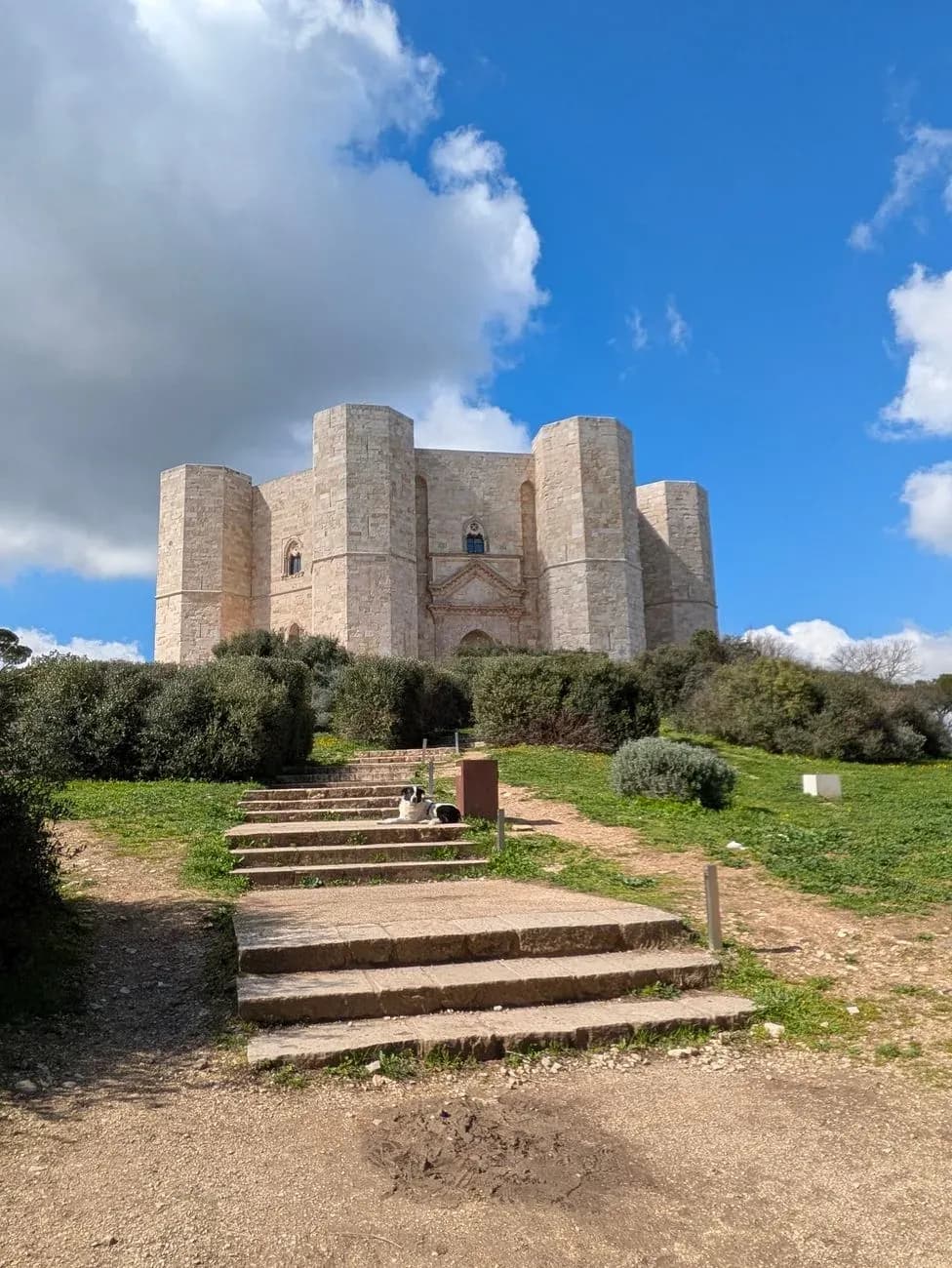
Driving along the Strada Provinciale 8, you will reach Castel del Monte in about twenty minutes. This 13th-century octagonal masterpiece commissioned by Frederick II is a UNESCO World Heritage site, standing isolated on a hill in the Murgia and surrounded by olive groves. Touring the interior takes about an hour and a half. Especially at weekends, it is wise to book tickets in advance so you are not left waiting at the monumental entrance.
Afternoon
Back in the countryside of Andria, Azienda Agricola e Frantoio Torre Grande runs guided educational walks lasting around an hour. The route takes you through centuries-old olive trees, with technical explanations of the harvesting stages, ending with a tasting of freshly pressed oil served with local bread. Booking is required for this experience as well.
Evening
In the hamlet of Montegrosso, overlooking Piazza Sant'Isidoro, Pietro Zito's Osteria Antichi Sapori is a benchmark for local peasant cuisine. The menu revolves around wild field herbs, fresh burrata, and homemade bread drizzled with freshly pressed oil. Getting a table requires booking well ahead, especially in autumn.
Day 4 — Copper confetti pans and historic bell towers
Morning
On Via Museo del Confetto, right in the historic centre, visit the Museo del Confetto 'Giovanni Mucci'. Housed in the confectionery's original 1894 factory, it documents the creation of local sugar-coated Tenerelli through displays of vintage Liberty-style copper equipment. The guided tour, which ends with a product tasting, lasts between one and two hours and must be arranged by appointment.
Afternoon
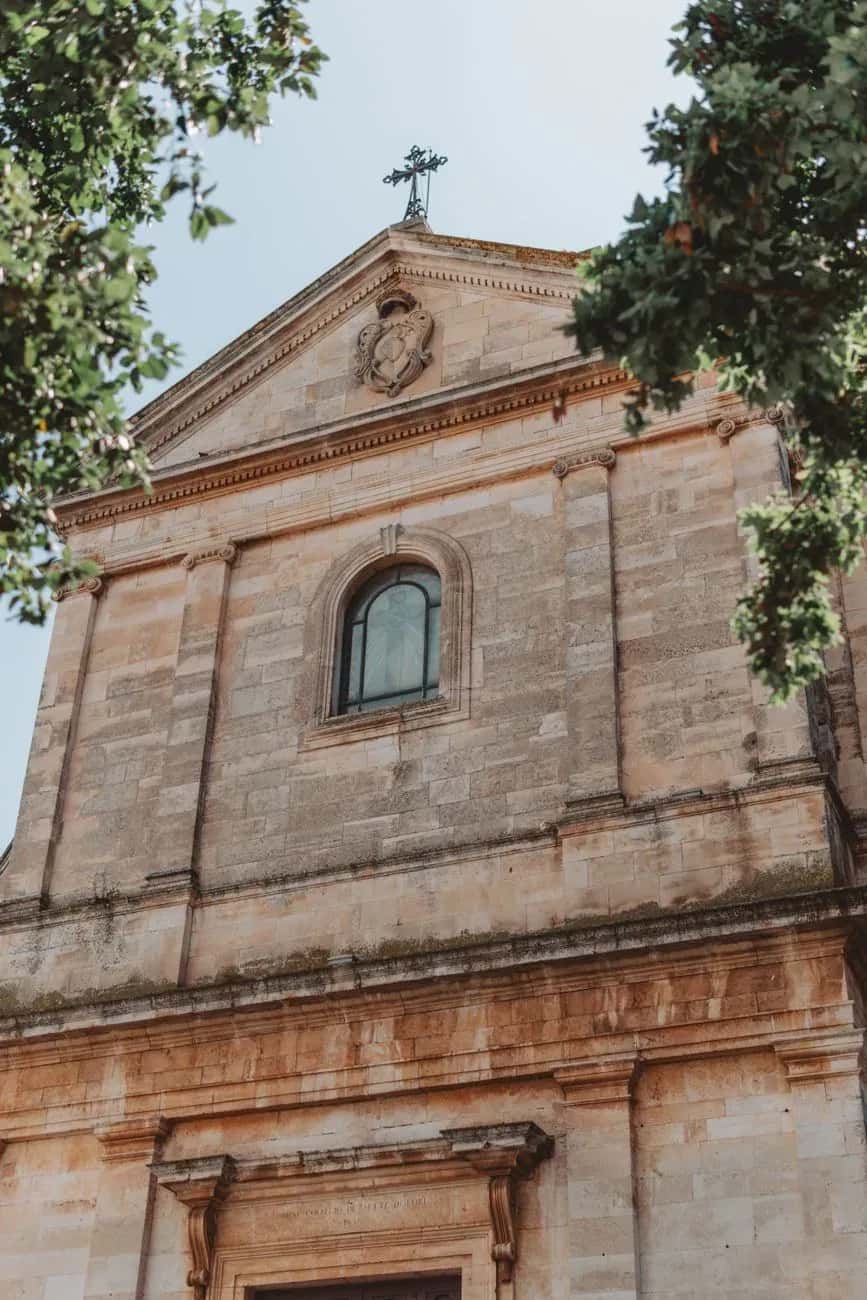
Continue your walk among the city's most significant religious buildings. Stop by the Chiesa di Sant'Agostino, founded by the Teutonic Knights or Templars in the 13th century and celebrated for its splendid 14th-century Gothic portal flanked by column-bearing lions. Close by are the bell towers of the Chiesa di San Domenico, with its Renaissance portal, and the Chiesa di San Francesco, rich in Apulian Baroque details. Outside the town perimeter, near Lama di Santa Margherita, stands the Santuario di Santa Maria dei Miracoli, a three-level complex featuring a 9th-century rock-hewn crypt carved into the tuff.
Evening
For your final evening, Pizzeria La Piazzetta offers a relaxed setting. In addition to naturally leavened doughs, the pizzeria usually joins in local autumn initiatives by serving simple bruschette designed to highlight the flavour of the newly pressed oil.
Tips for an autumn trip to the Murgia
- To travel easily between the centre of Andria, the rural hamlets, and Castel del Monte, you will need a car, as the masserie and the castle are a 15- to 25-minute drive along the SP8. By contrast, the historic centre is easily explored on foot.
- During October and November, at the peak of the olive-pressing season, you should book guided tours with tastings at the mills and tables at popular restaurants several weeks in advance, as visitor numbers are particularly high.
- Vehicles are not allowed right up to the entrance of Castel del Monte. You must leave your car in the secure car park at the foot of the hill (CAT / Parcheggio Castel del Monte) and walk the final uphill stretch, which takes around ten minutes, or take the dedicated shuttle bus.
- A weekend based on this itinerary requires an average budget of €50 to €75 per person per day, excluding accommodation. This estimate covers traditional lunches and dinners, admission tickets to monuments, and fees for guided tasting tours at the olive mills.
Where to stay to explore the surrounding countryside
Conveniently set along the Frederick II route, just a few kilometres from Castel del Monte, and ideal if you are travelling by car.
View on Booking →Handy if arriving via the motorway, just half a kilometre from the toll booth, with a swimming pool and on-site restaurant.
View on Booking →A practical choice with a garden, within easy walking distance of the historic centre and the Monumento ai Caduti.
View on Booking →