
Planning a foodie weekend in these parts means setting your clock by the town's wood-fired ovens. Pane di Altamura gained its DOP status in 2003, but the way it is made follows centuries-old rules: a dough of re-milled durum wheat semolina and sourdough starter that local housewives once kneaded at home before carrying it to bake in communal neighbourhood ovens. The loaves were marked with wooden stamps to identify each family's batch once baked.
To decide what to see in and around Altamura, aim for spring (between April and June) or early autumn (between September and October). Temperatures during these months are ideal for long walks through the town's alleyways and along the trails of the Murgia. Late April usually brings 'Federicus', a major medieval festival with historical re-enactments and period artisan workshops; check the exact dates each year via the municipality's official channels.
This is a borderland, perfect if you are looking to combine Altamura and Matera. The city of the Sassi is just a 15- to 20-minute drive away along the strada statale 99, or an easy ride on the FAL railway line. The best balance is to dedicate your mornings to museums and the historic centre, saving the afternoons for nature walks.
How to fit in bakeries, museums and walks
Day 1 — The Federician cathedral and your first taste
Morning
The historic centre is explored entirely on foot, given its narrow alleys and limited traffic zone (ZTL). The best way to get your bearings is to start with the local produce. Antico Forno Santa Caterina in Via Ambrogio del Giudice 2 has documented wood-fired baking here since the 14th century. Drop by around mid-morning to try the warm focaccia and get acquainted with the famous DOP bread fresh out of the oven.
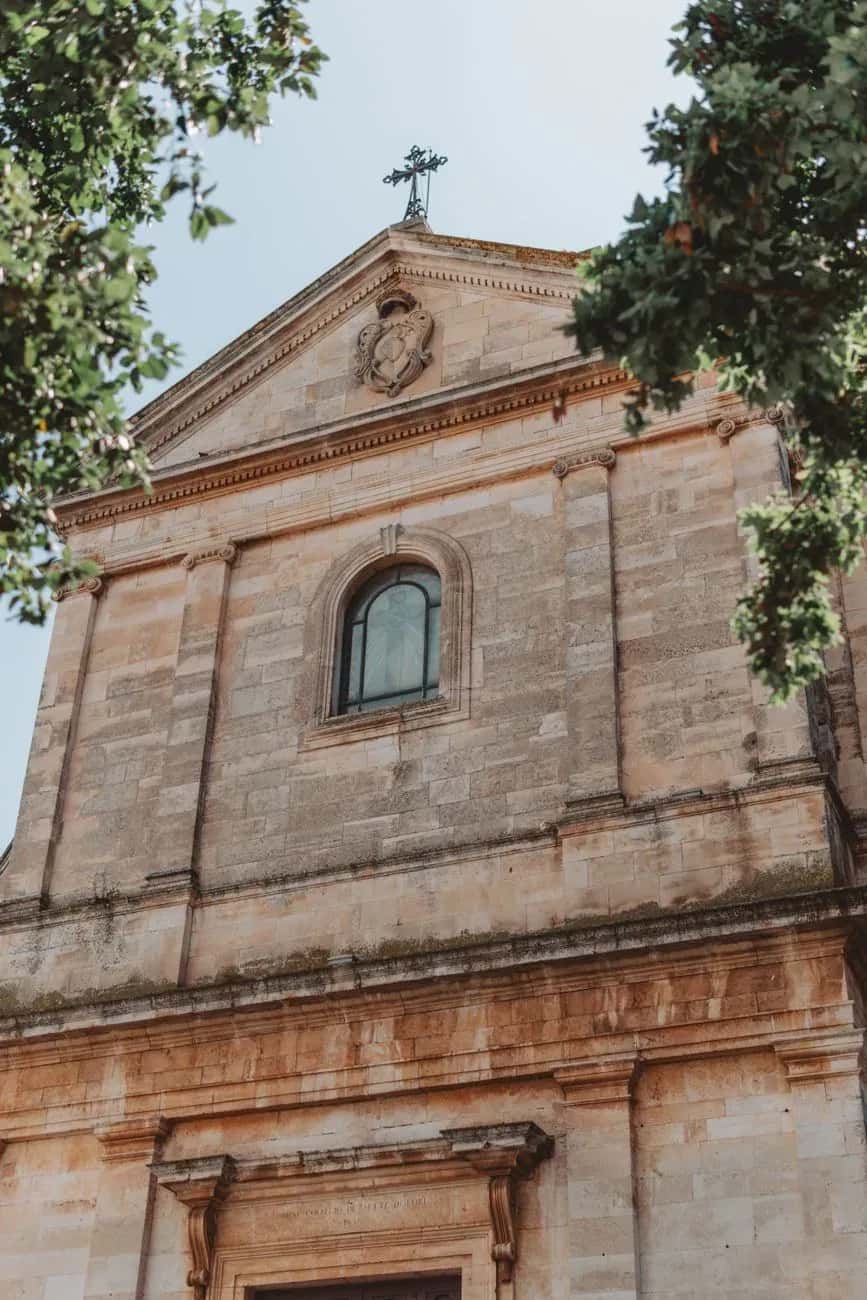
With a slice of focaccia in hand, it is just a short walk to Piazza Duomo to visit the Cattedrale di Santa Maria Assunta. Founded in 1232 by Frederick II of Swabia, it is a magnificent example of Romanesque-Pugliese architecture. The grand rose window on the façade and the sculpted 14th-century portal stand out immediately. The interior features women's galleries (matronei), which you can visit by including the diocesan museum MUDIMA in your ticket.
The surrounding urban fabric unfolds around the claustri: enclosed courtyards built centuries ago to foster social integration among Greek, Jewish and Saracen communities. There are over 80 of them, but Claustro Giudecca and Claustro Tradimento are particularly worth seeking out to understand how community life played out in centuries past.
Afternoon
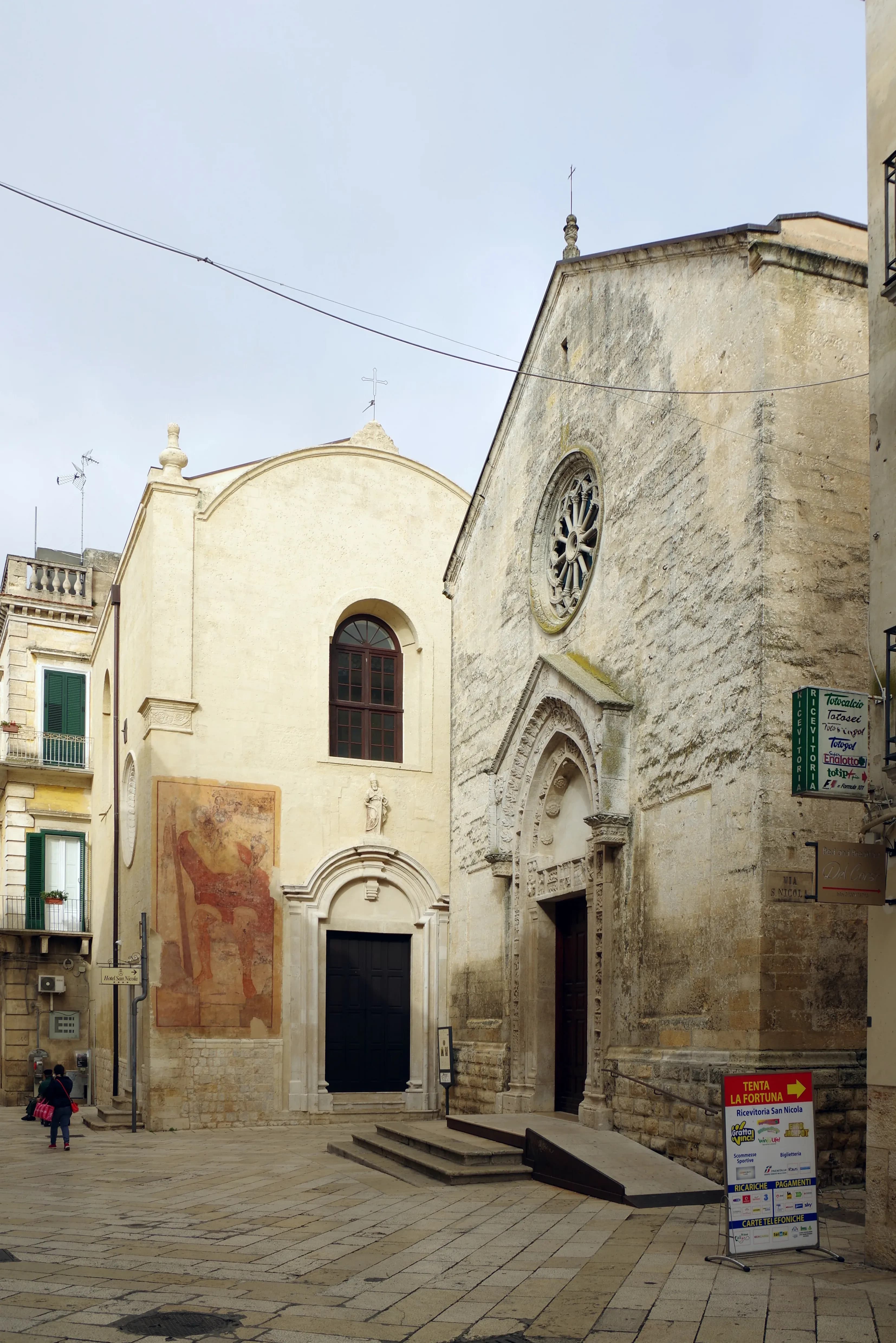
After lunch, the natural route leads along the old town's main spine, Corso Federico II di Svevia. Overlooking the street is the Chiesa di San Nicolò dei Greci, built in the late 13th century to serve the Greek community residing in Altamura. Its portal is richly carved with scenes from Genesis and the Gospels.
Continuing towards Piazza Unità d'Italia, you will find yourself before Porta Bari e Mura Megalitiche. This imposing 18th-century gateway marks the edge of the ancient town and allows you to view the remains of both medieval fortifications and the older, massive Peucetian walls. Between sights, stop at a pastry shop along the corso to sample the 'tette delle monache', a local pastry made of feather-light sponge filled with diplomat cream.
Evening
Dinner on your first night calls for a reliable spot to try the pasta dishes of the local cuisine. At Via Luca de Samuele Cagnazzi 27, you will find Mo è Osteria, set inside historic stone-vaulted rooms. They serve hand-rolled fresh pasta, platters of zero-kilometre ingredients, and meat sourced directly from Murgia livestock farms.
Day 2 — Prehistory, the Neanderthal and peasant cooking
Morning
Your second day turns to archaeology and the surrounding natural landscape, without neglecting food and wine. Start in the historic centre on Via Fratelli Baldassarre, stepping inside Palazzo Baldassarre (Museo dell'Uomo di Altamura). This historic palazzo houses a multimedia trail and, crucially, an accurate full-scale reconstruction of the Lamalunga cave, helping you grasp the formation of the calcified Neanderthal found inside.
Next, you will need the car. Around 5 to 8 km from the town, along the strada provinciale 157 towards Quasano, stands the Centro Visite Lamalunga e Grotta dell'Uomo di Altamura. The centre occupies a traditional Murgia masseria. From here, you can virtually view the fossil skeleton embedded in the original cave, but booking your guided tour well in advance is essential.
Afternoon
Remaining within the Parco Nazionale dell'Alta Murgia, head to the Pulo di Altamura. This is the largest karst collapse doline in all of Puglia: a natural crater plunging some 90 metres deep and spanning over half a kilometre. The trails around the rim offer scenic walks across a steppe landscape dotted with prehistoric caves—ideal for walking off lunch.
If your trip coincides with FAI open days or specific events, you may also have the chance to visit Cava Pontrelli (Cava dei Dinosauri) on the nearby strada provinciale 235. This Cretaceous palaeontological site preserves over four thousand fossilised dinosaur footprints stamped into the limestone. It is not freely accessible, so check for special openings in advance.
Evening
Back in town, leave the car outside the walls for dinner near Porta Matera, at Corso Umberto I 56. Here you will find Antica Osteria Pein Assutt, a trattoria dedicated to the humblest traditional dishes of the Murgia. Highlights include hot 'cialledda' (a rustic soup of stale bread, tomatoes, onion and oregano), broad beans and chicory, orecchiette, and oven-roasted lamb. Round off your meal with a shot of 'Padre Peppe', Altamura's traditional walnut liqueur.
Day 3 — Ancient artefacts and wood-grilled flavours
Morning
On Tuesdays, Thursdays and Fridays from 8:30 to 19:00, the Museo Archeologico Nazionale di Altamura opens its doors on Via Santeramo in Colle. Its rooms trace artefacts from prehistory through to the medieval era, with an entire section devoted to local palaeoenvironments and the Altamura Man.
Before leaving the centre, pick up a final supply of specialities to take home. Antico Forno Santa Chiara, operating on Via Martucci since 1423, bakes deep in the maze of alleyways, turning out traditional loaves shaped like a priest's hat ('cappello di prete') alongside freshly cut slices of wood-fired barese focaccia. One slice makes for a quick and satisfying lunch.
Afternoon
The late afternoon is ideal for packing your bags or doing some food shopping in the delis along the main corso. If you are staying somewhere convenient—perhaps parked near Malandrì B&B along the ring boulevards—you can easily load your car with the loaves, pecorino cheeses and pallone di Gravina bought that morning. It is also a good moment to make a quick 20-minute hop to Matera if you fancy adding an evening in Basilicata before heading home.
Evening
Your final dinner celebrates local meats. Osteria Braceria La Grotta di Santa Chiara, located in the historic centre, sets its tables inside dining rooms carved straight out of the soft limestone. The menu centres on prime cuts from the Murgia grilled over embers, served with podolico cheeses and warm rustic starters. Alternatively, for traditional Murgia fare in a more refined setting framed by tufa walls, Tre Archi Ristorante offers handmade pasta alongside pizzas baked in a wood-fired oven.
Practical tips for your trip
- If arriving in Altamura by car, avoid driving into the claustri or along the main corso. The best places to leave your vehicle are along the avenues encircling the old town walls, such as Viale Martiri del 1799 or near Porta Bari and Porta Matera, before continuing on foot.
- To cut the cost of individual prehistoric sights, it is well worth purchasing the combined ticket for the 'Rete Museale Uomo di Altamura'. This single pass grants entry to Palazzo Baldassarre, the Museo Diocesano and the Lamalunga visitor centre.
- While walks around the historic centre and bakeries are easily done on foot, a car is essential for heading into nature. Murgia sights such as the Pulo and Lamalunga are 5 to 8 km from town, well beyond the reach of local public transport.
Stress-free places to stay
Stay in a 17th-century building featuring sweeping sail vaults, conveniently situated on Via San Nicola right in the town centre.
View on Booking →A welcoming property on Via Solofrano known for its generous homemade breakfast and convenient proximity to parking.
View on Booking →A modern hotel situated just outside the ancient walls, an exceptionally practical base if you are travelling by car.
View on Booking →