

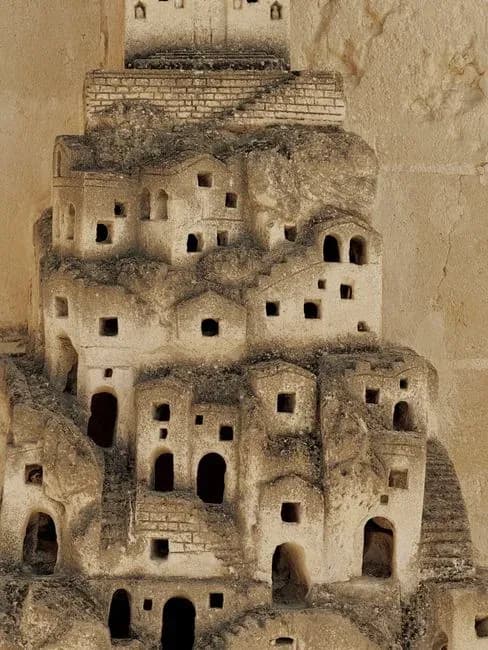
Planning a weekend in Matera means, first and foremost, preparing to walk and rethinking your logistical habits. The historic quarters of the city are entirely pedestrianised, set up as a large ZTL monitored by cameras 24 hours a day, where unauthorised cars cannot enter under any circumstances. This makes it necessary to leave your vehicle in the paid car parks or multi-storey car parks located in Il Piano, the modern part of the centre, and then continue on foot with just the essentials.
The layout of the city itself dictates a few practical rules. The streets of the Sassi are a continuous series of ups and downs with polished cobblestone stairways, known locally as chianche. Their surface tends to be rather slippery, which is why it is essential to wear exceptionally comfortable shoes with excellent grip. Heels and smooth-soled footwear should be left in your suitcase.
Your choice of season also heavily influences how you plan your days when visiting the Sassi. The ideal months are in spring, between April and June, or early autumn, between September and October. In the height of summer, you have to contend with the calcarenite rock that makes up the entire historic area: this material absorbs the sun and radiates heat for hours, turning afternoon walks and long excursions into a stifling, exhausting affair.
How to plan your days
Day 1 — From Il Piano to Sasso Barisano
Morning
The route starts from Piazza Vittorio Veneto, in the Il Piano district. Right beneath the square lies the Palombaro Lungo, a gigantic underground cistern carved entirely out of the rock. The visit takes about 15-20 minutes. There is no advance booking system for individuals; tickets can only be bought on site according to the available time slots. To beat the weekend crowds, head to the ticket office first thing in the morning to secure the earliest slots. From the same square, head over to the Belvedere Luigi Guerricchio (dei Tre Archi), which offers a broad, sweeping perspective over the dwellings of Sasso Barisano and the Civita hill. Walking up towards the Civita, which marks the highest point between the two valleys, you will reach the Cattedrale di Matera (Duomo). This 13th-century Apulian-Romanesque structure dominates the skyline, and the morning hours provide the finest light for taking in its architectural details and the valley below.
Afternoon
Before heading down into the stone alleyways, head to Via delle Beccherie for lunch. Here you will find Hostaria Sbagliata, a charming spot right in the historic centre where you can order platters of assorted cheeses and cured meats, alongside traditional dishes from Basilicata and Puglia. Once refuelled, take the descents leading into the heart of Sasso Barisano. The afternoon's goal is to explore the Chiesa Rupestre di San Pietro Barisano. Its size makes it the largest rock-hewn church in the city. The site still preserves an extensive underground system of draining niches and stone seats once used for mummifying the deceased. The subterranean rooms maintain a constant humidity level and require care on the uneven steps.
Evening
Remaining in Sasso Barisano, the evening hours are perfect for dining in one of the rooms carved into the tufa rock. Osteria L'Arco occupies just such a traditional stone venue. The menu covers local classics, with a strong focus on fresh homemade pasta and recipes centred on Lucanian meat, cured cuts and cheeses.
Day 2 — Sasso Caveoso, museums and the Murgia
Morning
Day two takes you to the opposite slope to explore Sasso Caveoso. The rocky spur of the Monterrone visually dominates the district and hosts the Complesso Rupestre Madonna de Idris e San Giovanni in Monterrone. Inside, you can admire Byzantine frescoes; the visit takes around 30 minutes. A short distance away, the Chiesa Rupestre di Santa Lucia alle Malve bears witness to an ancient female monastic community and houses well-preserved early mediaeval paintings, which will take another 20-30 minutes. Still in Caveoso, visit the Storica Casa Grotta di Vico Solitario. The dwelling recreates its original layout prior to the mid-century evacuation, complete with period agricultural tools and furniture. Entry includes an audio guide and lasts about 15-20 minutes.
Afternoon
For lunch, make your way to Via Emanuele Duni to Osteria La Pignata, a trattoria renowned for its layered mutton and vegetable stew, slow-cooked in a traditional earthenware pot. In the early afternoon, continue indoors at MUSMA (Museo della Scultura Contemporanea Matera). The collection is housed in the 17th-century hypogea of Palazzo Pomarici and takes around an hour and a half to wander through the sculptures. Nearby, in Piazzetta Pascoli, you will come across Palazzo Lanfranchi (Museo Nazionale di Matera). This Baroque building houses sacred and contemporary art, including Carlo Levi's renowned painting 'Lucania 61'. As the sun begins to dip, retrieve your car or catch the shuttle for a 15-minute journey. Crossing the Gravina canyon brings you to the Belvedere di Murgia Timone, located in the Parco della Murgia Materana. Waiting for sunset here allows you to watch the city gradually light up from the wild landscape opposite.
Evening
Back in town, round off the day with a stroll through Piazza San Pietro Caveoso. The square perches directly over the Gravina ravine and is dominated by its namesake church, making it exceptionally scenic at night. Just a few steps away is Ristorante L'Abbondanza Lucana: set inside old caves, it is the ideal spot to conclude your trip with a comforting dish of fave e cicorie or classic local peperoni cruschi.
Top tips for better planning
- The entire Sassi district is a restricted traffic zone (ZTL) with cameras active 24/7. To avoid fines, leave your car in the paid street bays or multi-storey car parks in the Il Piano district. A handy alternative is to book accommodation that includes access to a partner garage and offers luggage transfers.
- If you plan to explore the rock-hewn religious sites such as Idris, Santa Lucia alle Malve and San Pietro Barisano, pick up a combined ticket from the Oltre l'Arte network. This significantly reduces the total cost compared to paying for individual entries at the door.
- You cannot book tickets for the Palombaro Lungo in advance. At weekends, slots sell out fast: turn up at the ticket desk first thing in the morning or immediately after lunch to avoid lengthy waits on the square.
- Average costs in town, excluding accommodation, run around €70-120 per person for two days. A typical meal in a trattoria costs between €20 and €35, while admission tickets for rupestrian churches, museums and cisterns range between €3 and €8 per site.
Where to stay
An albergo diffuso featuring rooms carved directly into the tufa rock and lovely terraces overlooking the Cathedral.
View on Booking →Rock-hewn rooms and an underground thermal spa centre restored within ancient water cisterns.
View on Booking →Cave rooms offering direct, uninterrupted views over the dramatic rock face of the Idris.
View on Booking →