

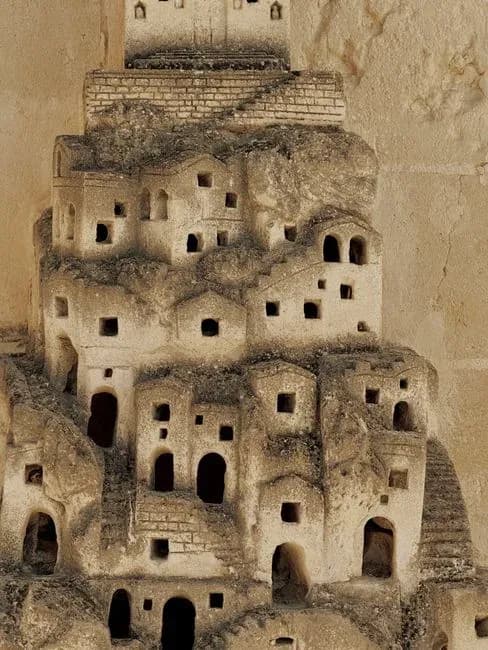
The best time to plan a trip to Matera is from April to June or between September and October. In the summer months, the calcarenite rock reflects the sun, turning the canyons and alleyways into sweltering furnaces. Arriving in milder weather makes exploring the city strenuous but entirely manageable: you have to get around strictly on foot, tackling a continuous series of ups and downs over slippery cobbles inside a ZTL inaccessible to private cars. You will need hiking shoes or at least footwear with a solid non-slip grip to take on the steep flights of steps safely.
The city's fabric is multi-layered, concealing enormous spaces beneath street level. Many chambers originally dug out of necessity have been repurposed, as shown by high-calibre stays such as Sextantio Le Grotte Della Civita in the Civita district. Rather than lingering on postcard views, this itinerary focuses on the practical, functional side of the settlement, from water management to peasant pathways, taking in cave districts and the plateau facing the town.
How to plan three days in the cave districts
Day 1 — Introduction to the city and underground cisterns
Morning
The ideal starting point is Casa Noha, a FAI property in the Civita area. Here, a multimedia screening titled 'I Sassi invisibili' charts the complex evolution of the settlement. The visit takes around 30-40 minutes and provides the geographical bearings needed to understand what you are about to see. From the same Civita area, head up to the Cattedrale di Santa Maria della Bruna e Sant'Eustachio, the Apulian Romanesque cathedral standing at the highest point, serving as a visual divide between the Sasso Barisano and the Sasso Caveoso. Touring the interior takes just 30-45 minutes, with exits opening onto sweeping panoramic views across the rooftops below.
Afternoon
For a quick lunch, make your way to the Piano, on Via Nazionale, where you will find Panificio Perrone. A historic local bakery, it is the perfect spot to pick up freshly baked slices of focaccia barese or materana and sample authentic naturally leavened PDO bread. In the afternoon, stay in the Piano area and head down to Piazza Vittorio Veneto. Beneath the square lies the Palombaro Lungo, a monumental water cistern carved entirely into the tuff rock for rainwater harvesting. Tickets are bought directly at the counter for staggered group admissions, and the tour takes around 15 minutes or so.
Evening
For dinner, head back into the historic centre near Via San Biagio to step inside Osteria San Giovanni. The restaurant is set within a vast underground hypogeum. The menu focuses on time-honoured cooking methods and zero-waste traditions: try the polpette di pane (bread dumplings) and the pignata di carne al coccio (meat stewed in an earthenware pot)—humble dishes based on simple ingredients and long, slow cooking.
Day 2 — Sasso Caveoso and the canyon trail
Morning
The morning is devoted entirely to the Sasso Caveoso, exploring rock-hewn architecture starting at Casa Grotta di Vico Solitario. In 20-30 minutes, you can tour a peasant dwelling preserved with its original 1950s tools, furnishings and stable, revealing the real living conditions of that era. Right after, make your way to the Chiesa Rupestre di Santa Maria de Idris e San Giovanni in Monterrone. Carved into a prominent rock outcrop in the landscape, it houses rock-cut frescoes, and the small square outside affords a 360-degree view dominating the Gravina valley. Continue to Palazzo Pomarici for MUSMA - Museo della Scultura Contemporanea Matera. It takes around an hour and a half to take in the collection, distinctively displayed across hypogean spaces carved into the tuff.
Afternoon
Before heading down towards the ravine, stop on Via Bruno Buozzi for lunch at Trattoria del Caveoso. Its calcarenite dining rooms host tables where you can order traditional Lucanian dishes washed down with glasses of Aglianico del Vulture. With proper footwear on, pick up the Ponte Tibetano sulla Gravina e Sentiero 406 from Porta Pistola. This is a very rugged route that crosses a steel-cable suspension bridge over the stream. The return hike takes two and a half hours, leading up to the Belvedere di Murgia Timone e Chiese Rupestri del Parco della Murgia. Dotted with caves dating back to the Neolithic era, the plateau offers a front-on view of the Sassi di Matera, ideal to take in as the sun sets.
Evening
Back in town, remain in the Sasso Caveoso area for dinner at Ristorante Baccanti on Via Sant'Angelo. The restaurant serves refined Lucanian cuisine inside sensitively restored caves, drawing on its own underground cellar to age and store bottles.
Day 3 — Hypogea of the Barisano and Lombard art
Morning
The third day begins by exploring the rock faces of the Sasso Barisano with a visit to the Chiesa di San Pietro Barisano. This is the largest rock-hewn religious building in the city. Beyond the facade, the most striking feature lies in the subterranean levels, where the limestone houses the scarnatoi (draining niches) once used to place deceased priests for initial burial. Walking back up towards Piazzetta Pascoli in the Piano, visit the Museo Nazionale di Matera - Palazzo Lanfranchi. Built in the 17th century facing the cave quarters, the palace now houses collections of regional medieval and modern art. Inside, you can also view 'Lucania 61', the monumental narrative painting by Carlo Levi.
Afternoon
Stop on Via Casale for lunch at La Locanda nei Sassi. Set inside a vast, millennia-old cave, the restaurant serves handmade cavatelli and orecchiette rooted in the area's rural culinary heritage. For the final stop, drive roughly 15 kilometres out towards the locality of Pietrapenta to reach the Cripta del Peccato Originale. This space preserves Lombard frescoes dating back to the 8th and 9th centuries. Given the site's compact size and fragility, visits are conducted with an audio guide and last 45 minutes in small groups. Booking online well in advance is essential, as time slots sell out regularly.
Evening
Round off the weekend after the excursion outside town, or head back to the historic quarters to collect your luggage and retrieve the car.
Tips for logistics and getting around
- If driving your own vehicle, avoid the access roads leading into the historic centre: leave your car outside the ZTL in multi-storey car parks such as Parcheggio Nicoletti or Parcheggio Saragat, then continue on foot or by local bus.
- If you plan to visit the Cripta del Peccato Originale, book a slot on the official website well in advance; visits are limited to small groups and the ticket office is very often sold out.
- The hike crossing the Gravina via the suspension bridge is graded for experienced hikers (EE). Avoid the trail on wet days due to mud, and tackle it only with proper hiking shoes and plenty of water.
Where to stay in the stone districts
Luxury rooms carefully integrated into authentic, lovingly restored cave dwellings.
View on Booking →Located on Via Fiorentini, with the added benefit of large underground thermal baths set inside tuff caverns.
View on Booking →Set within a historic courtyard, offering understated design lines that respect the original period materials.
View on Booking →