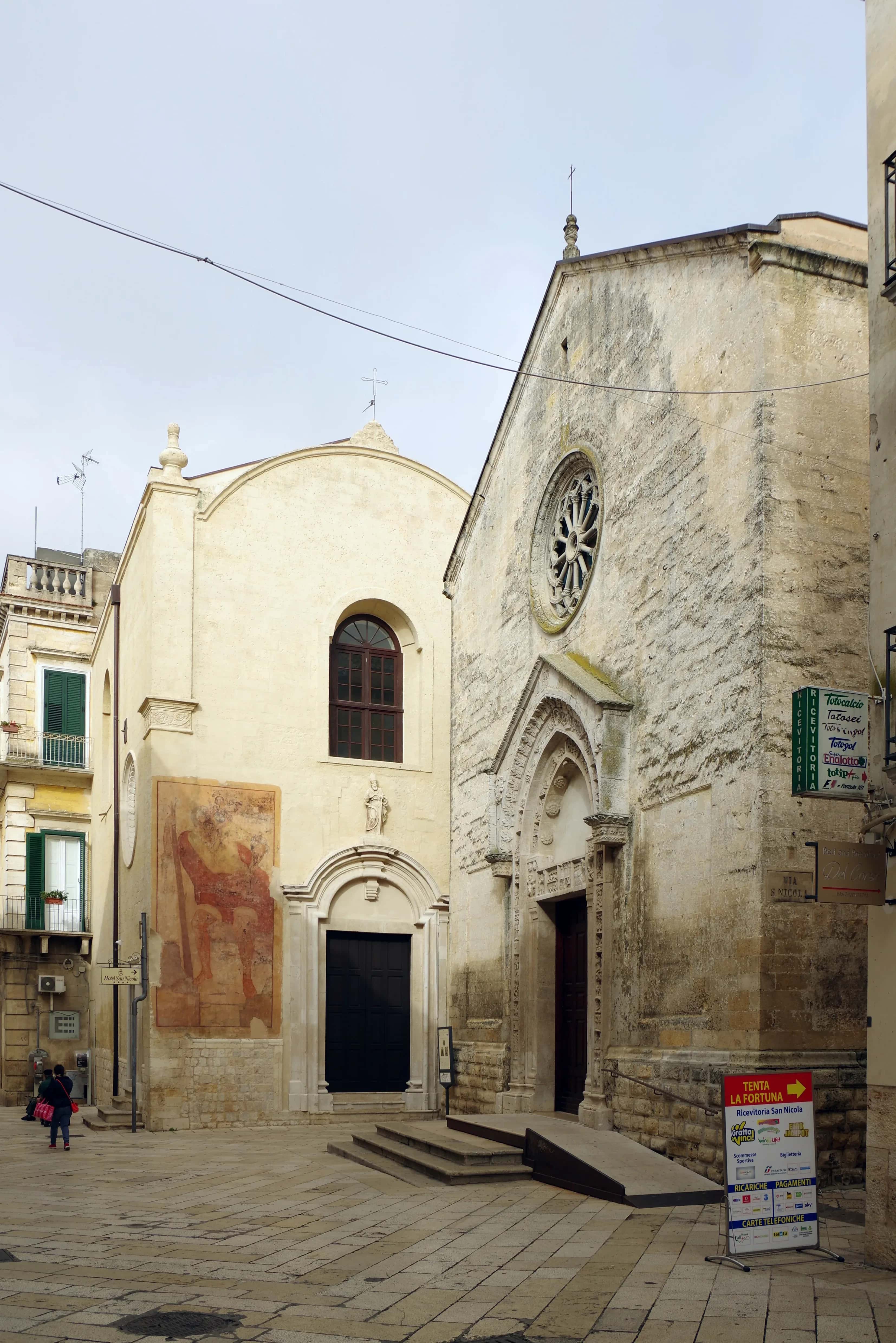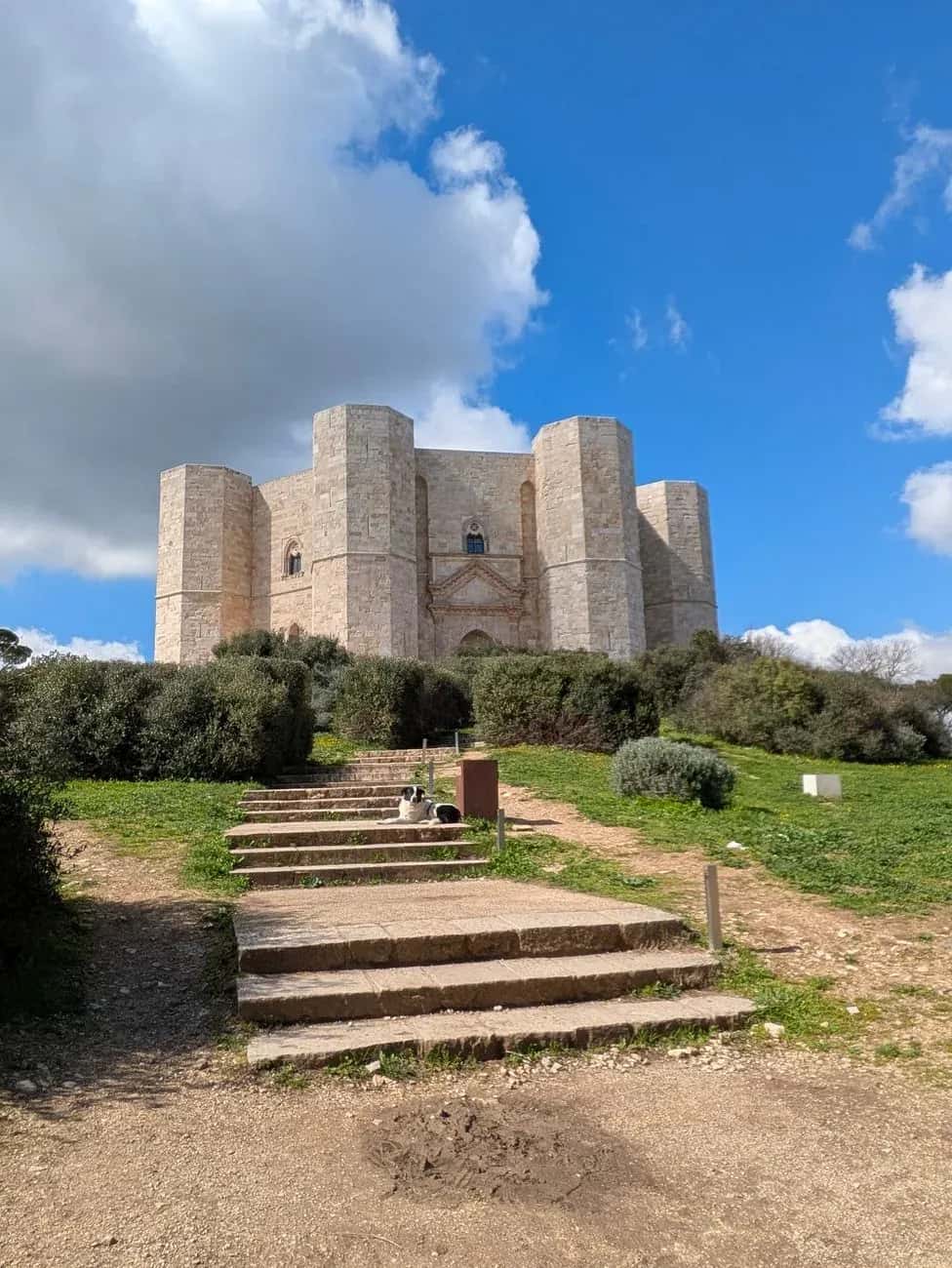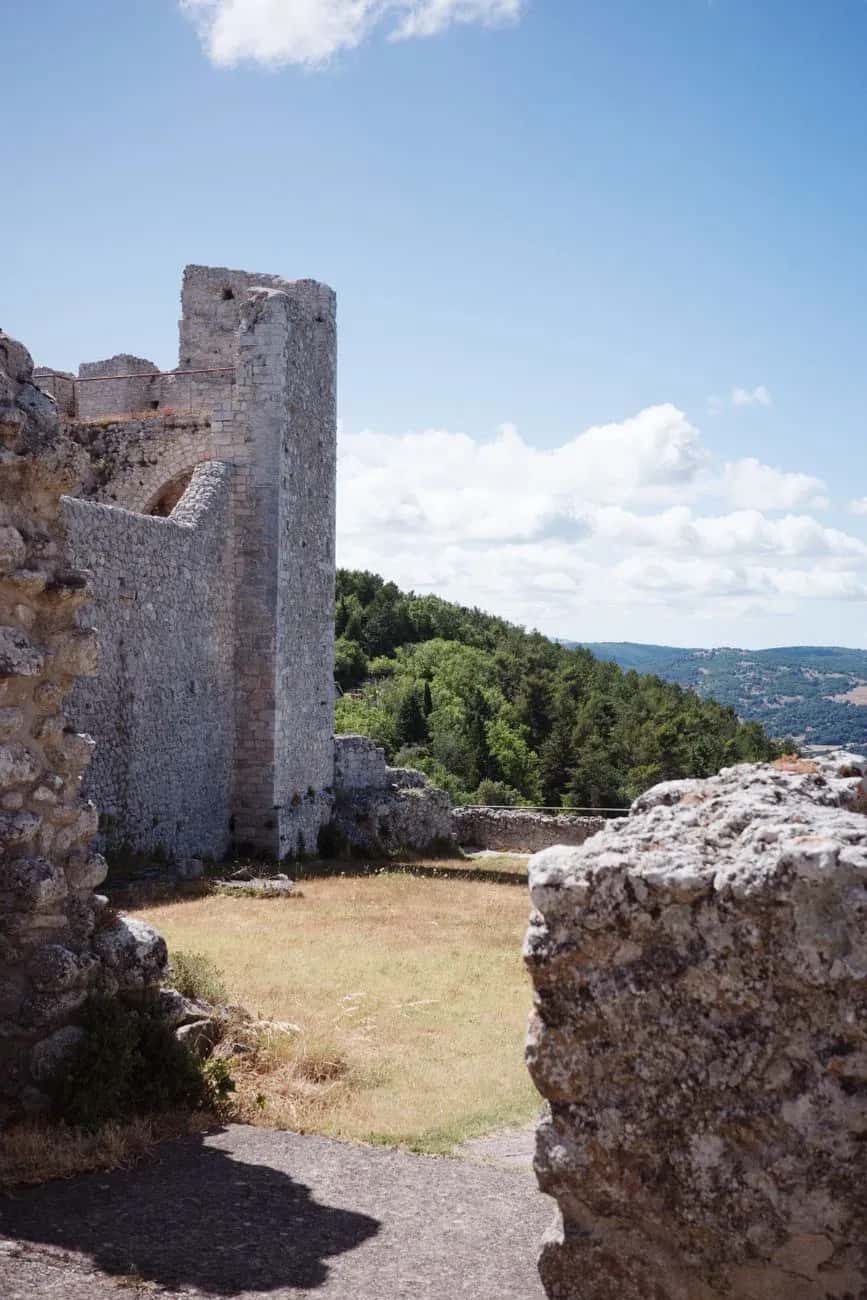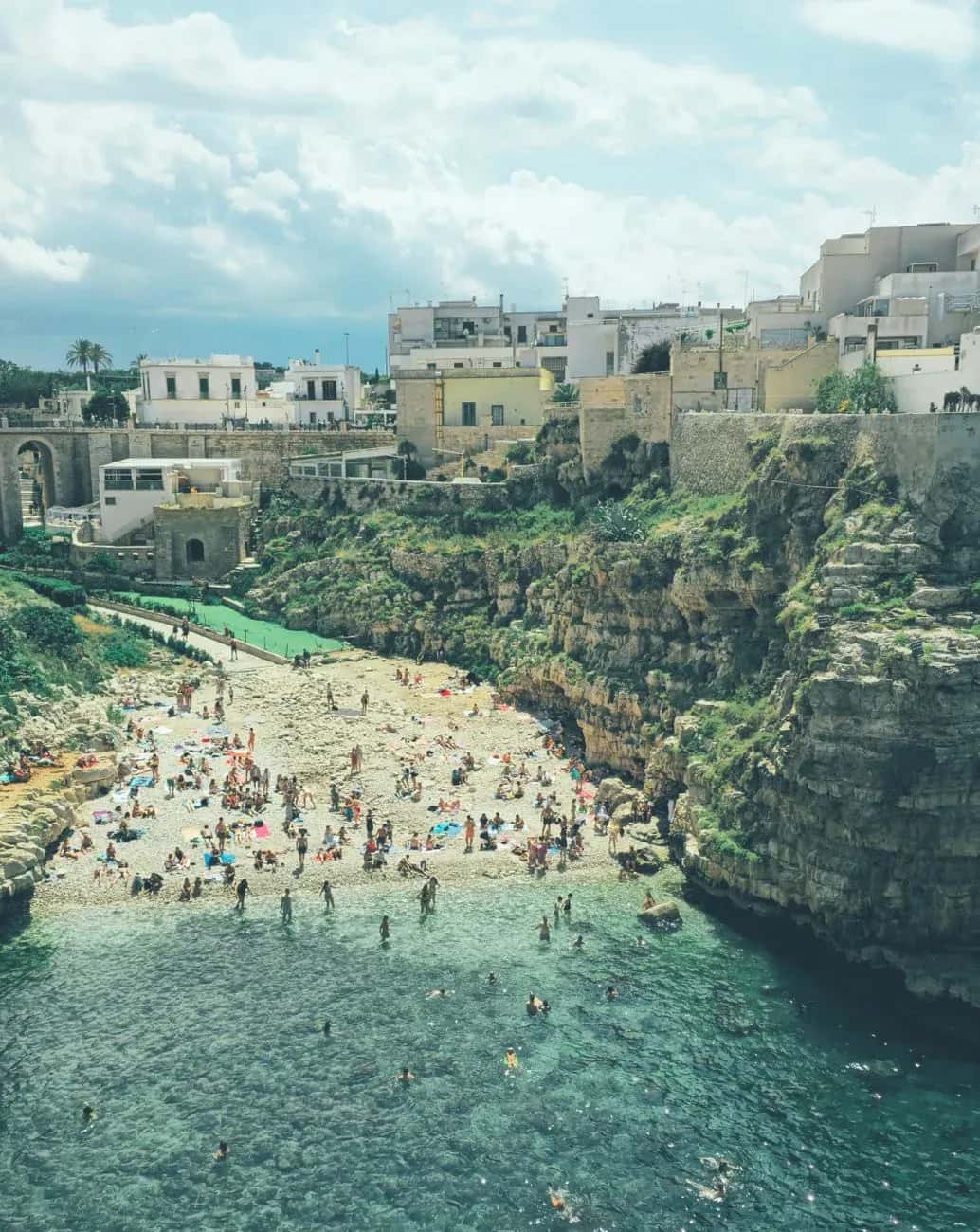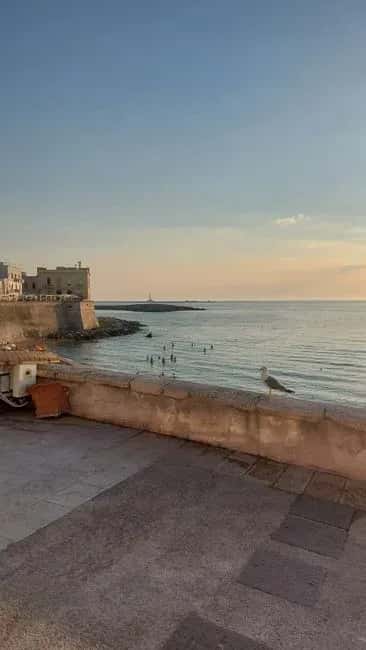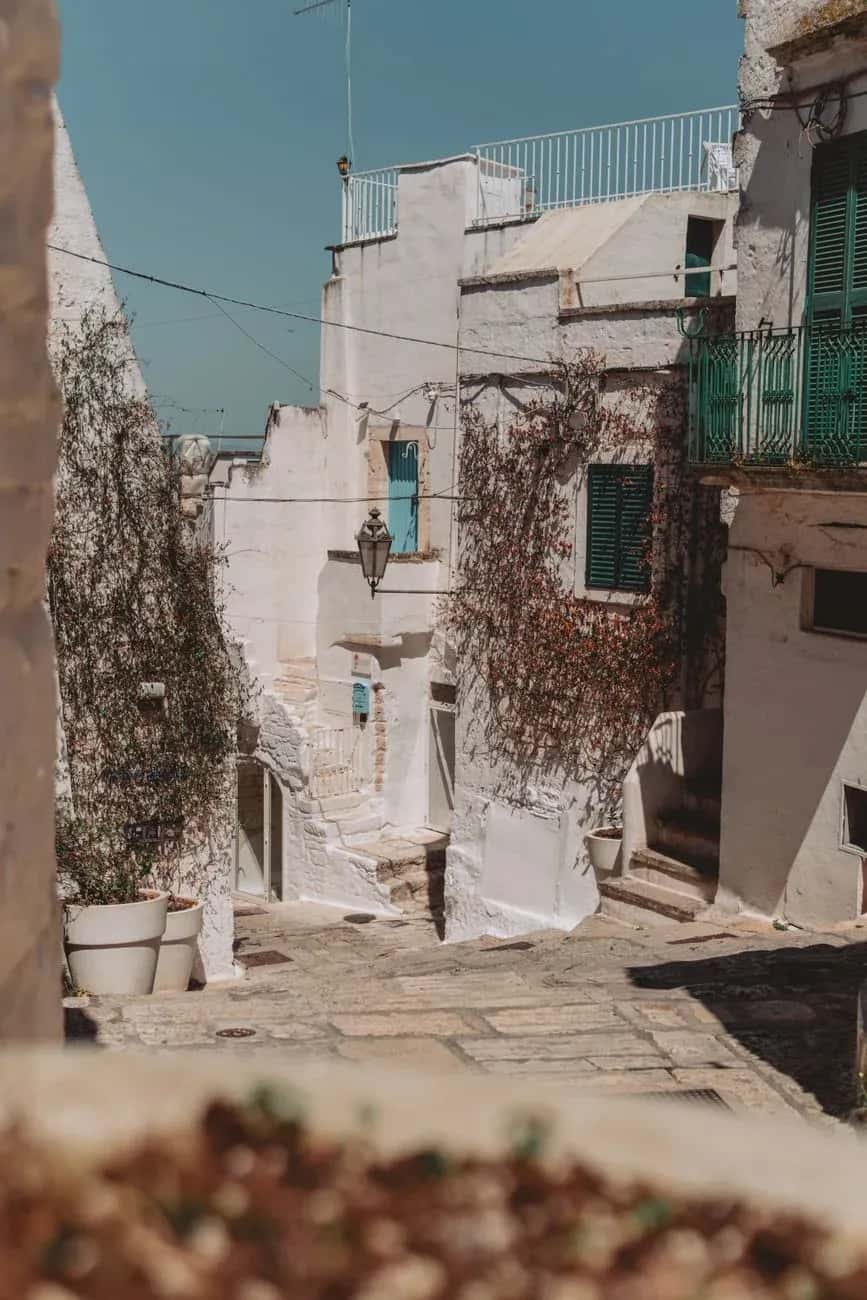

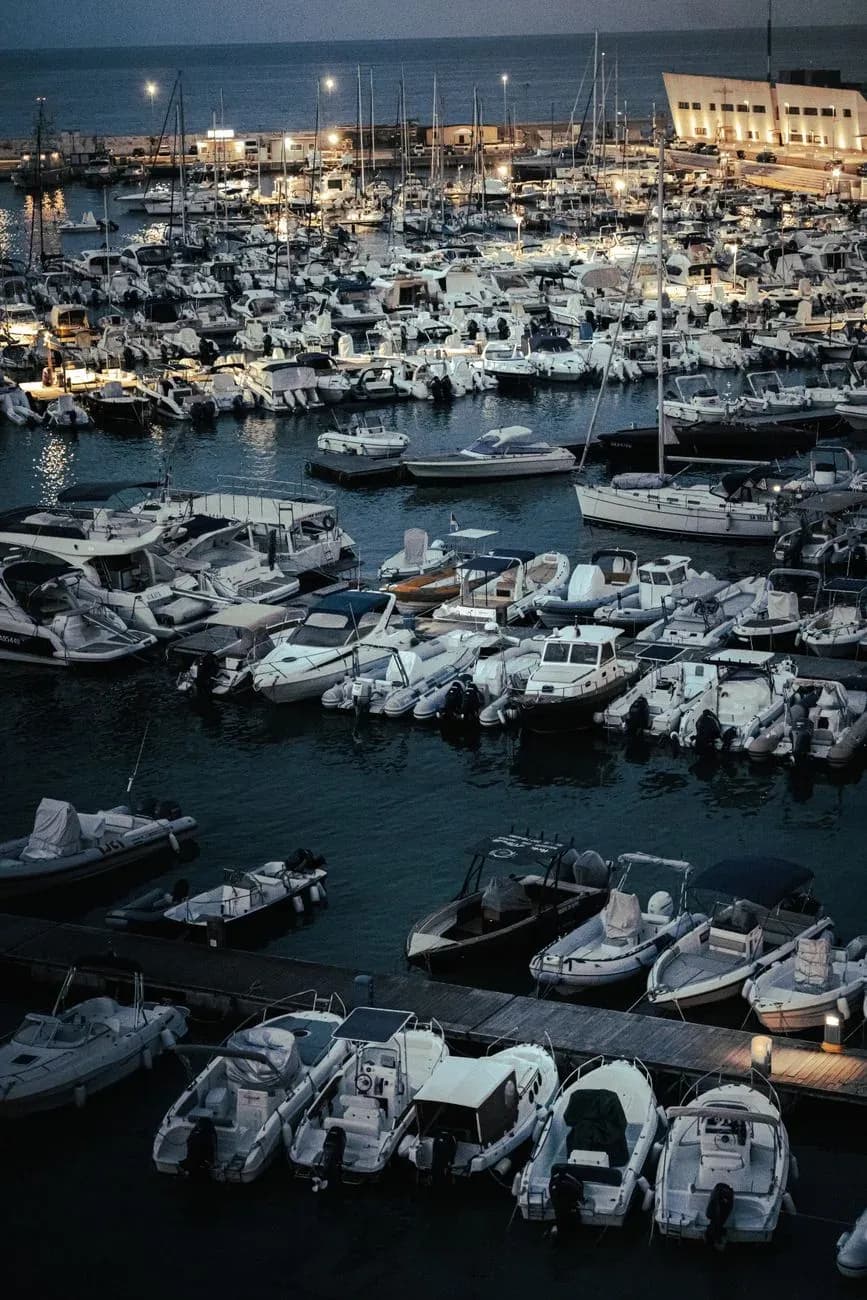
In late October, as the beaches empty and the days draw in, the Salento coast takes on a completely different character. Crisp, bright days without the sweltering summer heat let you soak up the town's breezy, Gothic atmosphere in total peace, free from queues at every doorway. It is the time of year when these ancient streets reclaim their silence and darkness falls early over the defensive walls. Around early November, the local cult of the dead links back to the custom of 'ndefriscare' the departed: families once laid laden tables lit by candles to welcome visiting souls, offering ritual foods such as broad beans, almond biscuits and ceremonial boiled wheat drizzled with vincotto — a legacy of Greek and Byzantine heritage.
Spending a Halloween weekend here means leaving fancy-dress parties behind to engage with tangible history and deep-rooted traditions. The historic centre, completely encircled by Aragonese fortifications, shelters crypts, ossuaries and fortresses that helped inspire northern European Gothic literature. Away from the summer rush, the pace slows right down, giving you time to explore underground passages, abandoned bauxite quarries and windswept cliffs, on a route that weaves Renaissance history together with local superstition.
How to plan your three days
Day 1 — Aragonese walls and relics
Morning
Enter the historic centre through Porta Alfonsina e Cinta Muraria, the monumental gateway commissioned by Alfonso d'Aragona to rebuild the defences after the bloody Saracen sack of 1480. If you are staying within the walls, perhaps at Hotel Palazzo Papaleo or the nearby Dimora San Giuseppe Hotel & SPA, the ramparts are literally on your doorstep. From here, a short walk brings you to Cattedrale di Santa Maria Annunziata e Cappella dei Martiri. Allow around 45–60 minutes. The interior is dominated by the vast medieval mosaic floor depicting the Tree of Life, but the side aisle holds the glass cases filled with the skulls and bones of the 813 beheaded martyrs. Among the remains, look out for a skull with 16 neat circular drill holes. For lunch, stop at Ristorante L'Alternativa, set right in the old town, which serves typical meat and seafood dishes at fair prices; be sure to book ahead.
Afternoon
In the afternoon, head towards Castello Aragonese di Otranto. This imposing stronghold is not just a piece of military history, but the setting that inspired the very first Gothic novel in modern literature, penned by Horace Walpole in 1764. Beneath street level, the underground chambers form a dark, chilly labyrinth. Local lore claims these vaulted halls are still haunted by the headless ghost of Count Giulio Antonio Acquaviva. Exploring the patrol walkways and inner passages will easily fill most of the afternoon.
Evening
For dinner, stay among the ancient alleys and head to Ristorante Da Sergio, well regarded for its fresh seafood dishes — the ideal way to round off your first day with the authentic flavours of the harbour.
Day 2 — Byzantine light and red earth
Morning
Early morning is the best time to visit Chiesa Bizantina di San Pietro, a tiny Greek-cross basilica dating from the 9th to 10th century. Arrive early to catch the natural daylight filtering through the single-lancet windows, illuminating layers of Byzantine frescoes and an unusual Arabic inscription. From the church, a stroll towards the southern outskirts leads to Colle della Minerva e Santuario di Santa Maria dei Martiri. Climb the monumental flight of steps to reach the very spot where the 800 citizens of Otranto were executed. Head back inside the walls for lunch at Ristorante Porta d'Oriente, which focuses on seasonal ingredients and classic pasta dishes, such as orecchiette.
Afternoon
Dedicate the afternoon to the countryside south of town, heading towards Orte. Around 5 minutes by car from the centre, or via a longer hike along dirt tracks, you will reach Ex Cava di Bauxite e Laghetto Rosso. Disused since 1976, this former bauxite quarry presents a striking contrast between raw red-earth cliffs and the emerald-green lake pooling at the bottom. The spot is tied to the legend of Asmodeide; plan to arrive just before sunset, when the low raking light intensifies the vivid crimson rock.
Evening
Back in the historic core, dinner awaits at ArborVitae, known for refined food-and-wine pairings and classic Pugliese specialities.
Day 3 — Underground chambers and coastal cliffs
Morning
Start your third day in Valle delle Memorie to explore Ipogeo di Torre Pinta. This enigmatic rock-cut sanctuary, carved in the shape of a Latin cross, features a 33-metre-long gallery, side niches and a 17th-century dovecote. The visit takes around an hour and must be booked in advance without exception. Afterwards, drive towards Oasi dei Laghi Alimini to reach Baia dei Turchi. Framed by thick pine woods, this sheltered cove marks the exact spot where Ottoman galleys landed in July 1480. Access is strictly on foot: park along the SP366 and walk for about 15–20 minutes under the pines. For lunch, if you are staying near or walking past the seafront by Hotel Bellavista, make your way into town to trattoria pizzeria Ristorante La Bella Idrusa, offering outdoor tables with sea views and typical Salento antipasti.
Afternoon
Spend your final afternoon following the southern coastline. First up is Torre del Serpe, an ancient watchtower that has become the city's heraldic emblem. The ruin is wrapped in legend: a sea serpent was said to crawl up the cliffs to drink the oil from the beacon, while its mate later coiled itself around the tower in revenge, crushing it to pieces. Continue south to reach Faro di Punta Palascia. This is the easternmost point of Italy and the official meeting point of the Adriatic and Ionian seas, where sheer, windswept cliffs offer sweeping views across towards the Balkans to finish your trip.
Evening
Spend your last evening taking a quiet stroll along the promenade, listening to the backwash against the bastions before heading home.
Practical tips for your trip
- The skull with 16 drill holes in the Cattedrale is not the result of torture. Research by the Università di Pisa revealed it as a Renaissance medical practice: bone powder was scraped from martyrs' craniums and used as a remedy against ailments believed to have demonic origins.
- The historic centre is a camera-enforced Zona a Traffico Limitato (ZTL). To steer clear of fines, leave your car outside the walls along Via Giovanni Paolo II or Via Renis; both are less than a 10-minute walk from the old town gates.
- Visiting between late October and early November brings a handy parking perk: the blue-line bays (charging up to €1.50 per hour in summer) only require payment until 31 October. In the months that follow, pay-and-display applies mainly on public holidays.
- You cannot reach Baia dei Turchi by car. Park in the designated areas along the SP366 coastal road and allow around 15–20 minutes to walk through the pine woods.
Where to stay
A five-star historic residence tucked into the heart of the old alleys, right beside the facade of the Cattedrale.
View on Booking →A seafront boutique hotel just a short walk from the main entrance to the historic centre.
View on Booking →An inviting hotel woven into the old town's network of lanes, sheltered right against the defensive ramparts.
View on Booking →