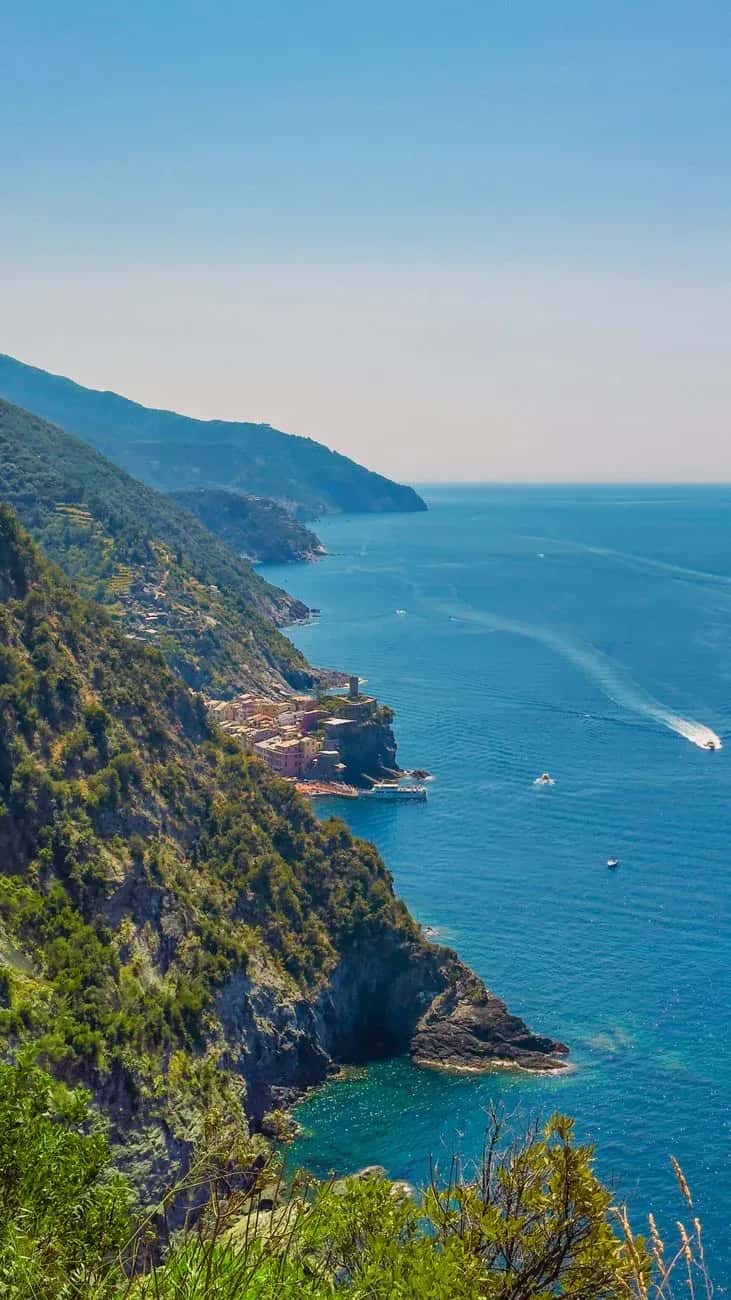

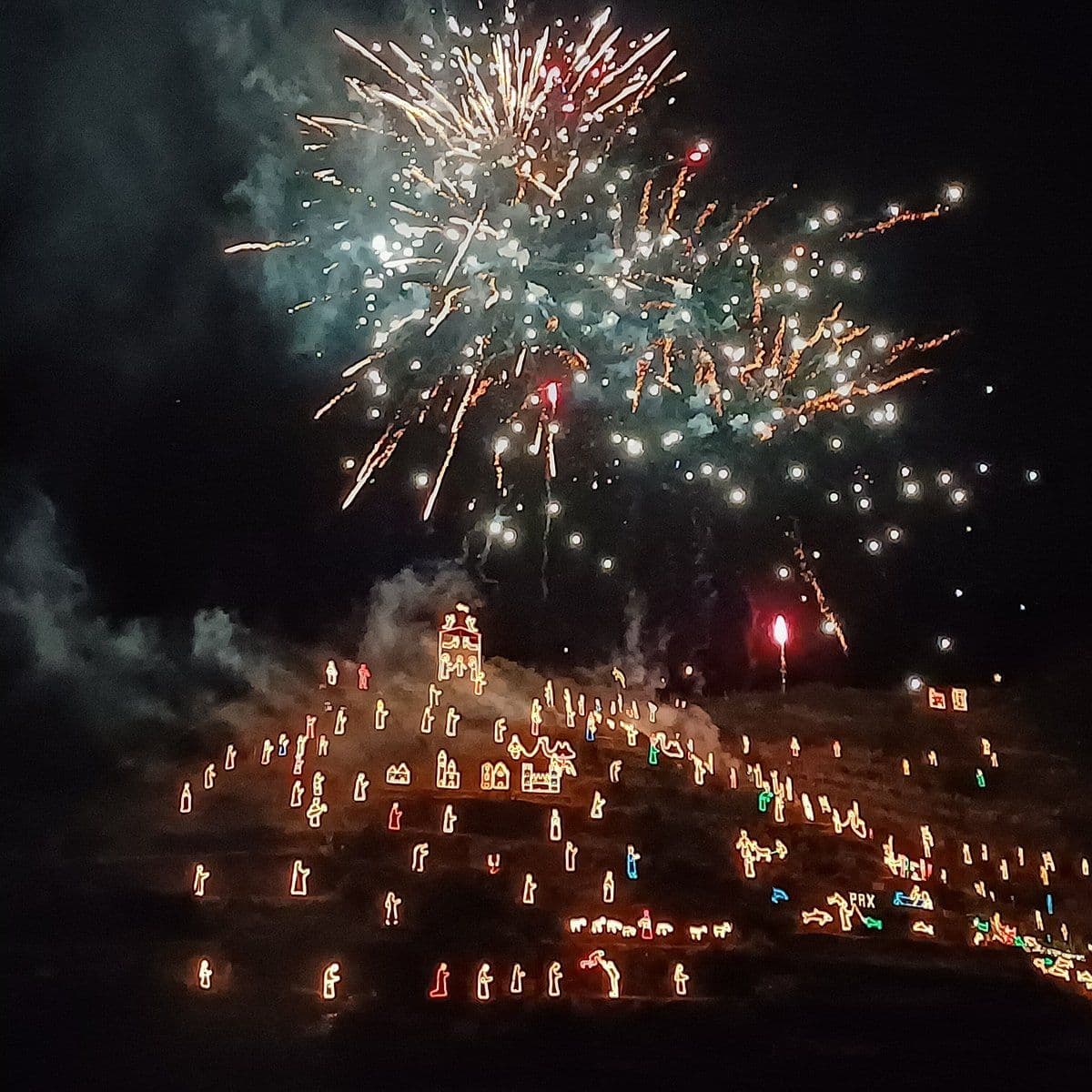
Arriving in Manarola when the air has a bite to it and the trains are half-empty reveals a very different side of the Spezia coastline. The town isn't overrun by holidaymakers hunting for rocks to jump off; instead, all eyes turn upwards, towards the hill towering over the tower houses. This is where the Presepe Luminoso di Manarola (Collina delle Tre Croci) comes to life: a community installation that makes braving the winter chill entirely worthwhile.
First created in 1961 by Mario Andreoli to fulfil a promise made to his father, the display now features over two hundred and fifty figures assembled from recycled materials and illuminated by thousands of lightbulbs powered by solar panels. As a rule, it is switched on every evening at sunset, from 8 December until mid-January. It sits at the very heart of local tradizioni natalizie, transforming the village's skyline completely.
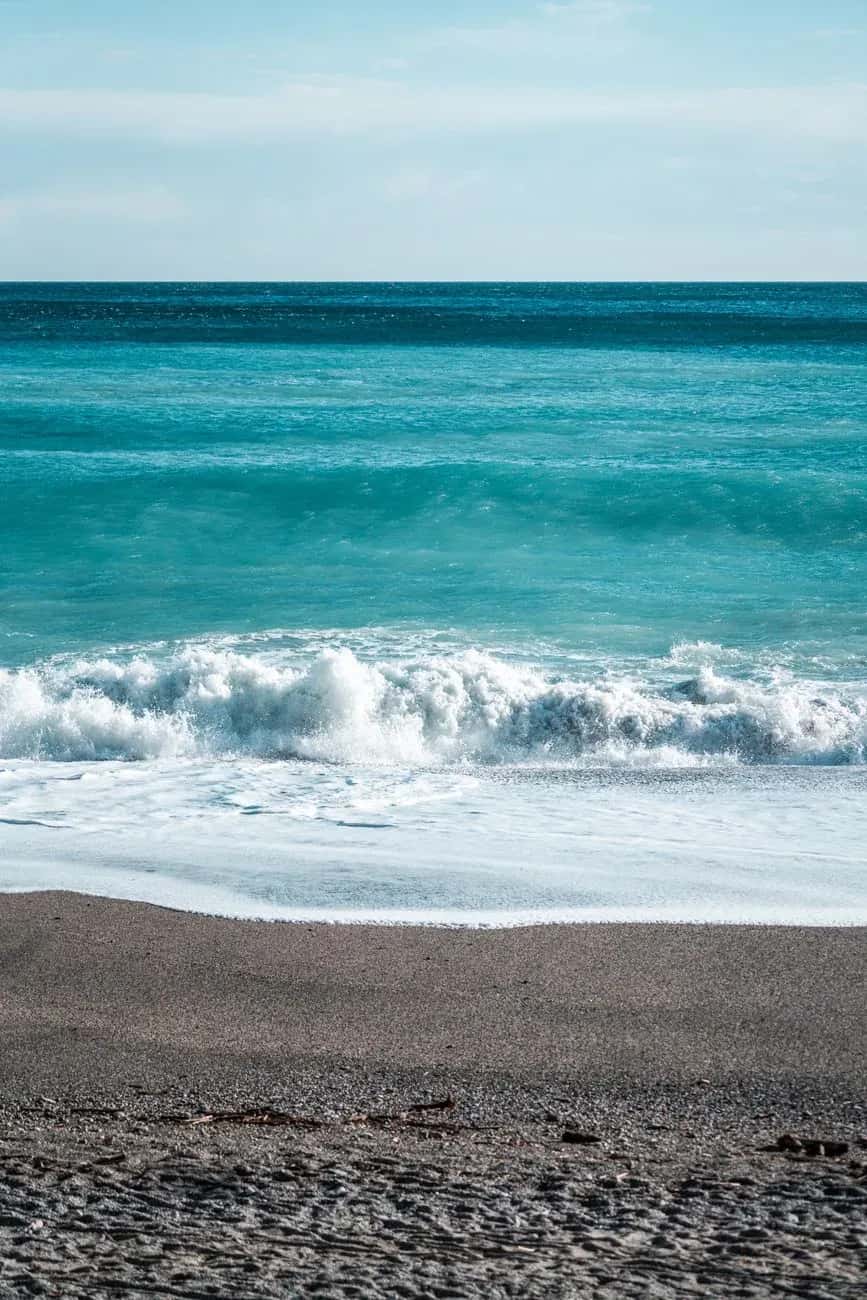
If you're wondering what to do in Manarola at this time of year, your priorities simply shift: the churning sea provides a constant backing track, while you wander through town at an unhurried pace, perhaps ducking into a warm café to sample a slice of pandolce genovese. Outdoor tables are few and far between, a peaceful hush fills the piazzas, and you'll want to check the forecast carefully before setting off. Yet the magic of these presepi right above the water offers a striking counterpoint to the usual summer postcards.
Three days among carrugi and illuminations
Day 1 — The winter marina and the first lights
Morning
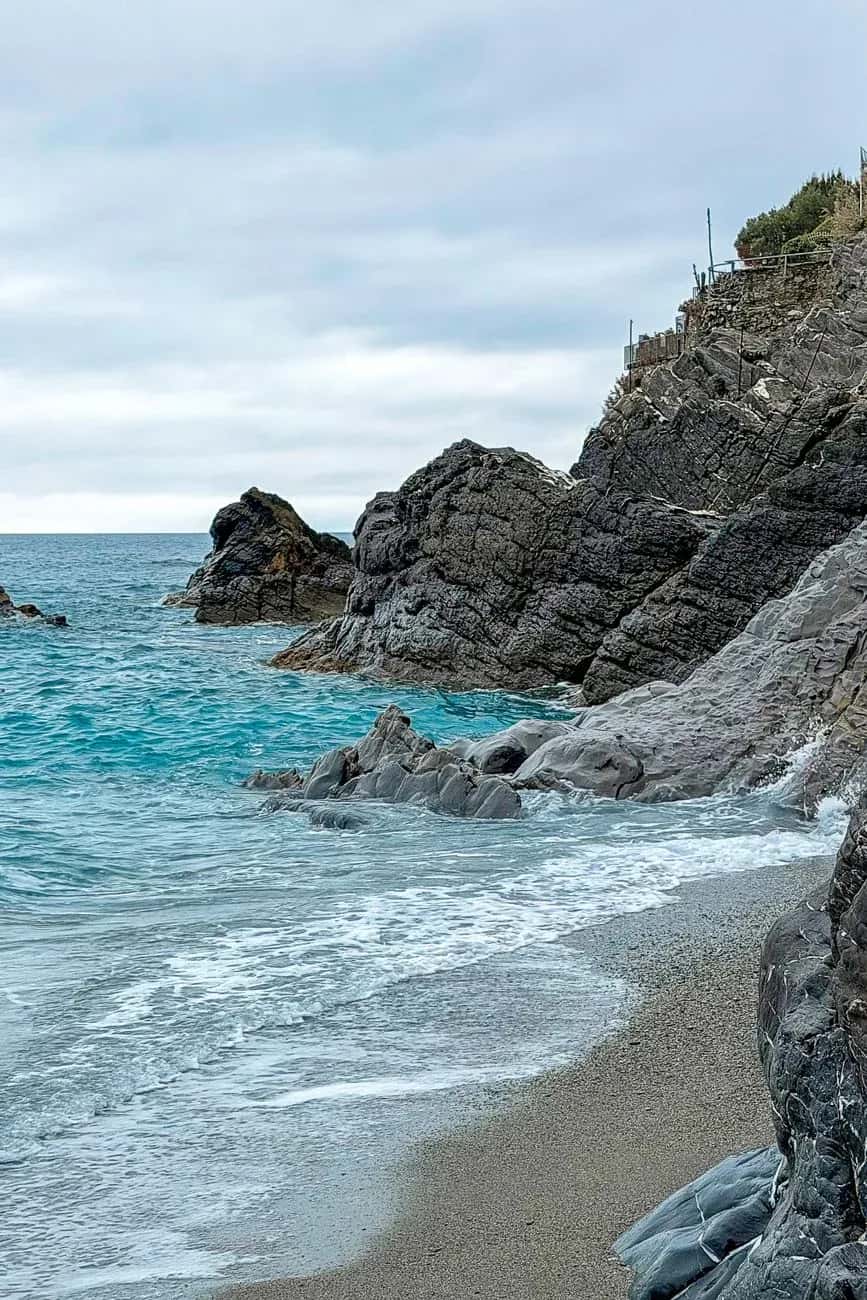
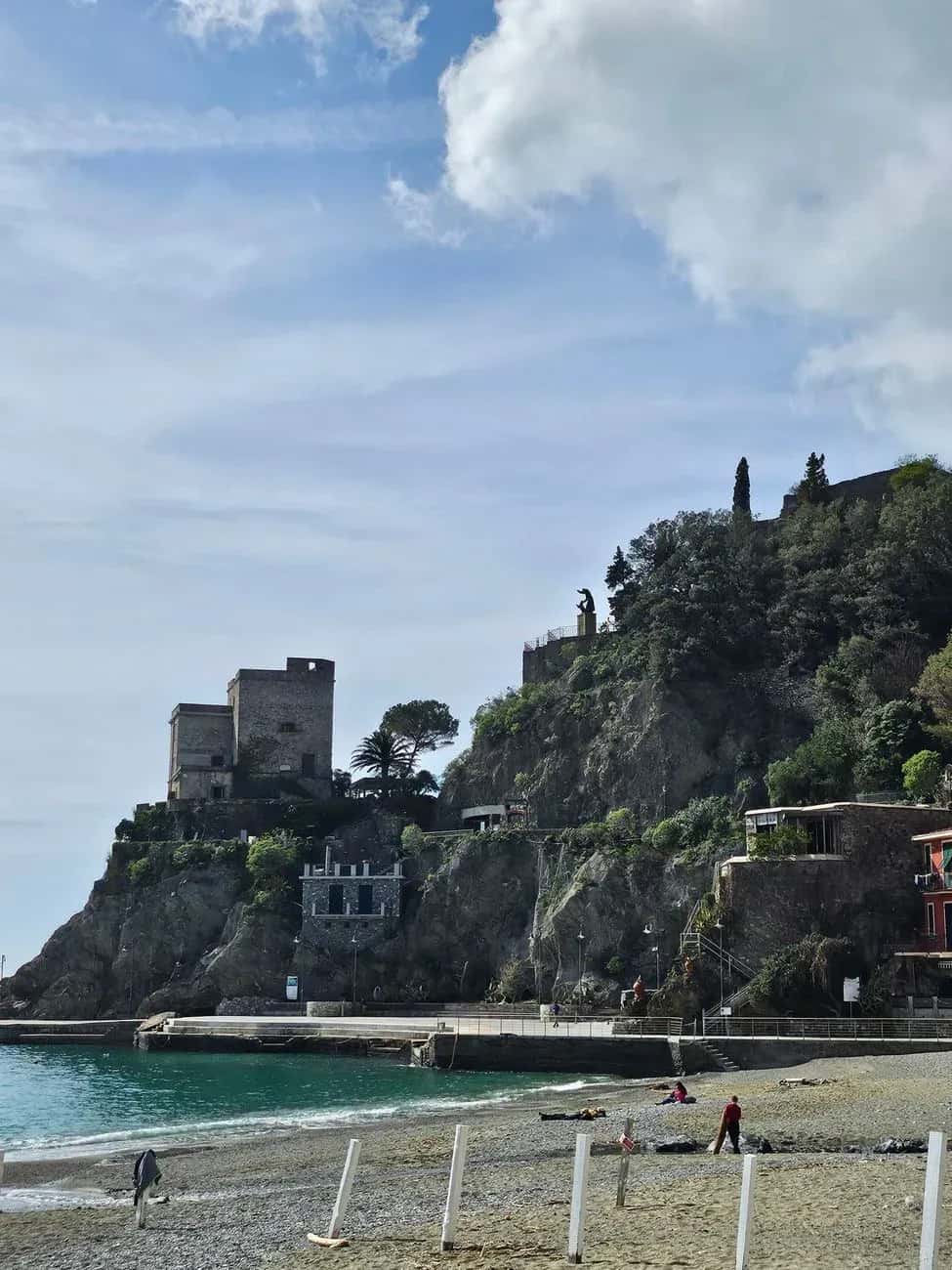
The regional train on the Genova-La Spezia line drops passengers just metres from the centre: in about twelve minutes from La Spezia Centrale, you emerge right in front of the pastel-coloured houses. Your first stop is the downhill stroll towards the lower part of the village, leading to the Porticciolo di Manarola (Marina) e Scalo. If you're expecting a sandy beach, you'll be disappointed; here, access to the water is dominated entirely by dark rocky outcrops. In winter, the concrete slipway is lined with colourful gozzi hauled ashore out of the waves' reach, framing clear views out across the open sea. Right next to the boat ramp you'll find Ristorante Alla Marina, a convenient spot for a lunch of trofie al pesto overlooking the harbour.
Afternoon
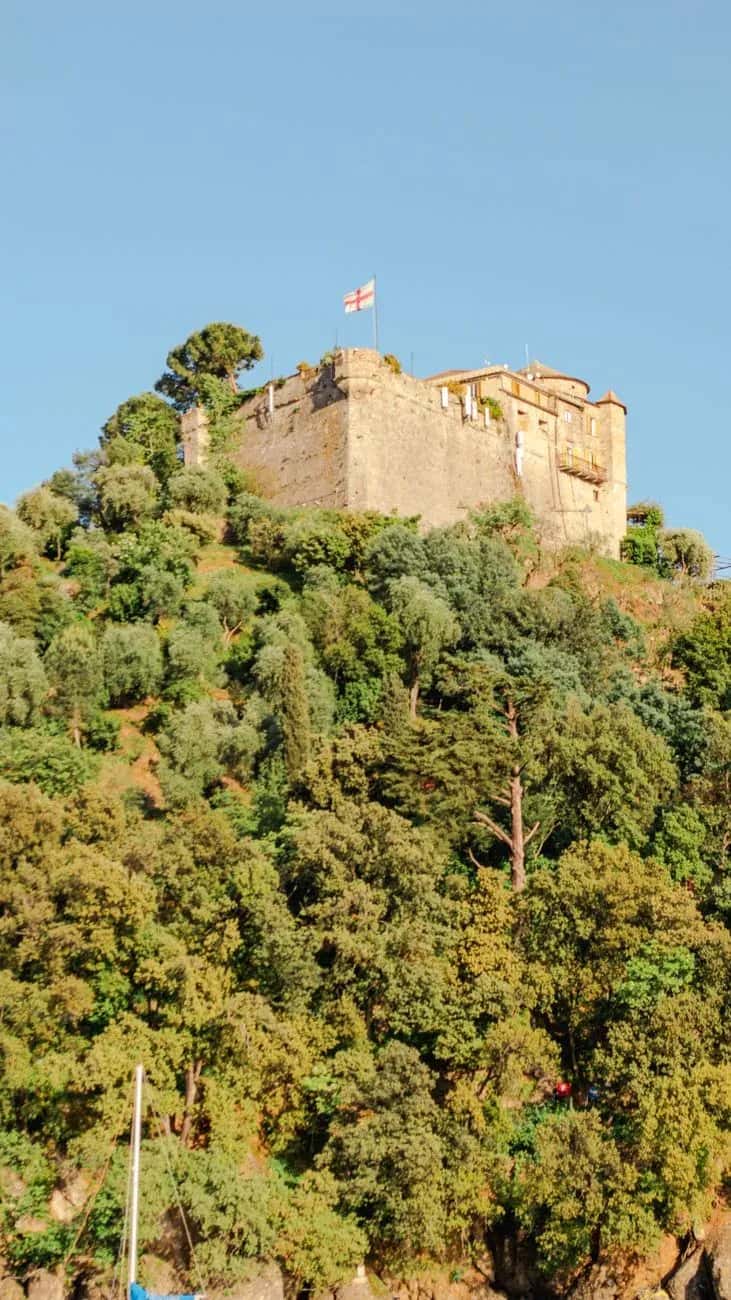
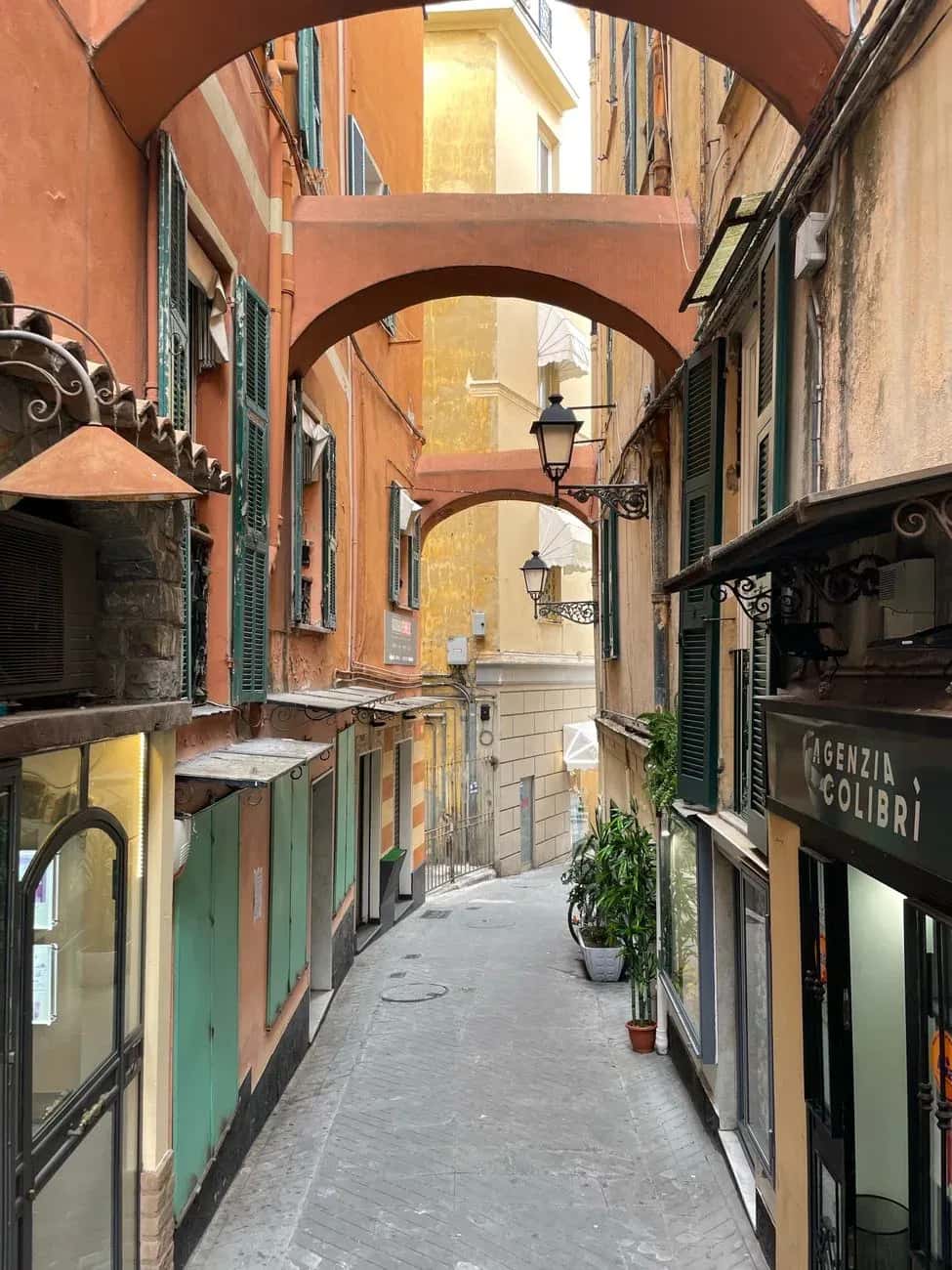
Heading back up the main street, the gradient leads to Piazza Papa Innocenzo IV, the historic heart of the village. Here stands the Chiesa di San Lorenzo, a parish church founded in 1338 in the Ligurian Gothic style. Morning offers the best light for admiring the Carrara marble rose window on the façade, but the early afternoon is also an ideal, unhurried time to explore the interior and admire the fourteenth-century triptychs by the Master of the Cinque Terre. Just a few steps away stands the Campanile Trecentesco e Oratorio dei Disciplinati. This freestanding stone bell tower originally served as a watchtower to protect locals from Saracen raids. Continuing through the narrow alleys, you'll spot parts of the Bastione e Resti del Castello di Manarola, a thirteenth-century defensive fortification, embedded directly into the walls of the old tower houses.
Evening
As sunset approaches, make your way towards the headland of Punta Bonfiglio. Fitted with benches perched above the drop, this scenic viewpoint is the ideal vantage point—free to access and easy to reach. Plan a stop of thirty to forty-five minutes to watch the entire hillside light up. The installation is typically switched off at 22:00. For dinner, right beside the lookout you'll spot Nessun Dorma, a wine bar known for its sharing platters, gourmet bruschette and local wines served on an open terrace. You can't book a table over the phone; you'll need to join the virtual queue via their dedicated app.
Day 2 — Agricultural terraces and scenic climbs
Morning
Your second day turns inland towards the area's agricultural roots. Climb up to the hillside hamlet of Volastra, home to the Santuario di Nostra Signora della Salute. It is a twelfth-century Romanesque parish church, though its real highlight is the setting: nestled amidst dry-stone terraces carved out of the steep slopes to grow olive groves and ancient vineyards. From this elevated vantage point, you look out over much of the village rooftops and discover the origins of Sciacchetrà DOC, the sweet passito wine that defines local viticulture and has traditionally accompanied winter festive treats.
Afternoon
Walking back down towards the village, follow Via di Mezzo to seek out the Antico Mulino ad Acqua e Frantoio. Dating back to the Middle Ages, this mill and press has been restored by the National Park and still retains its large wooden wheel. It's a significant historic detail: Manarola's name is thought to derive from the Latin 'Magna Roea', meaning large wheel. After the visit, carry on wandering through the surrounding carrugi. For a hot afternoon meal or an early pit stop, La Regina di Manarola is nearby, a panoramic spot serving focaccia, pizza and seafood dishes.
Evening
The most dramatic view over the illuminated nativity requires a bit of legwork. Set your sights on the Sentiero Manarola - Riomaggiore (Via Beccara), an old hillside trail made of steep steps. Climbing up to three hundred and twenty steps brings you to three distinct terraces, offering an almost aerial perspective over the glowing figures. Keep in mind that the agricultural terraces have no street lighting: sturdy walking shoes and a head torch are essential. After descending in the dark, catch your breath at Trattoria dal Billy, a historic address in the upper part of the village famed for its fresh fish. Be sure to book ahead, as securing a table for dinner without a reservation is virtually impossible.
Day 3 — The coastal path and final views
Morning
Spend your final morning walking along the coast's most famous pathway. The Via dell'Amore is an almost nine-hundred-metre pedestrian path carved straight into the rock, linking Manarola to neighbouring Riomaggiore as it hangs suspended over the water. Access requires booking a ticket with a specific time slot. The walk is flat and well-protected, yet in winter the gusting winds and waves crashing against the rocks below bring home just how much nature shapes daily life here. Before joining the queue, always double-check that recent rough seas haven't led the park authority to close the route.
Afternoon
Back by the railway station, there's time to enjoy a Ligurian dish without straying far from the tracks before collecting your bags. Ristorante Da Aristide sits right near the exit of the pedestrian tunnel, serving traditional specialities in a classic setting. In the early afternoon, retrieve your luggage; if you've stayed at central addresses like La Torretta Lodge or the nearby 5 Terre Pelagos, you'll reach the platform in just a few minutes on foot, proving how car-free travel here makes getting around far quicker and easier.
Evening
If you're catching a late-afternoon train home, you'll have just enough time for one last look at the glowing shepherds set against the dark hillside. Regional services run frequently well into the evening, meaning you can leave these coastal stations without rushing, carrying away memories of those illuminated wire silhouettes against the night sky.
Practical tips for planning your trip
- Driving to the village is strongly discouraged. The paid car parks uphill are extremely limited and the entire historic centre is a restricted traffic zone (ZTL). The regional train on the Genova-La Spezia line is by far the best option: services run every twenty to thirty minutes, connecting La Spezia Centrale to the village in about twelve minutes.
- If you're tackling the steep steps of Via Beccara to photograph the light installation from above, bear in mind that the paths through the terraces are completely unlit. Sturdy walking shoes are essential, as is a torch to guide you across the uneven stones.
- The low season empties the main streets of summer crowds, making for a delightfully relaxed pace. However, many restaurants and bars take midweek rest days or close for the season. It is always wise to ring ahead a few days prior to check what's open, and monitor marine forecasts to avoid trails closed due to weather warnings.
- There are no sandy beaches to lounge on here; accessing the water means clambering down the dark rock shelves around the marina. In the colder months, the small harbour remains a wonderful spot to watch the crashing surf, with local wooden gozzi safely hauled onto the slipway.
Where to stay in the village
Boutique hotel set among the alleys of the centre, featuring terraces looking out over the hillside terraces and the sea.
View on Booking →Accommodation set in an elevated spot above the coast, perfect for sweeping views across the village houses.
View on Booking →Guesthouse rooms boasting direct, panoramic views over the coastline and rocky cliffs.
View on Booking →